Lotte World (롯데월드 어드벤처)
Information about Lotte World (롯데월드 어드벤처).
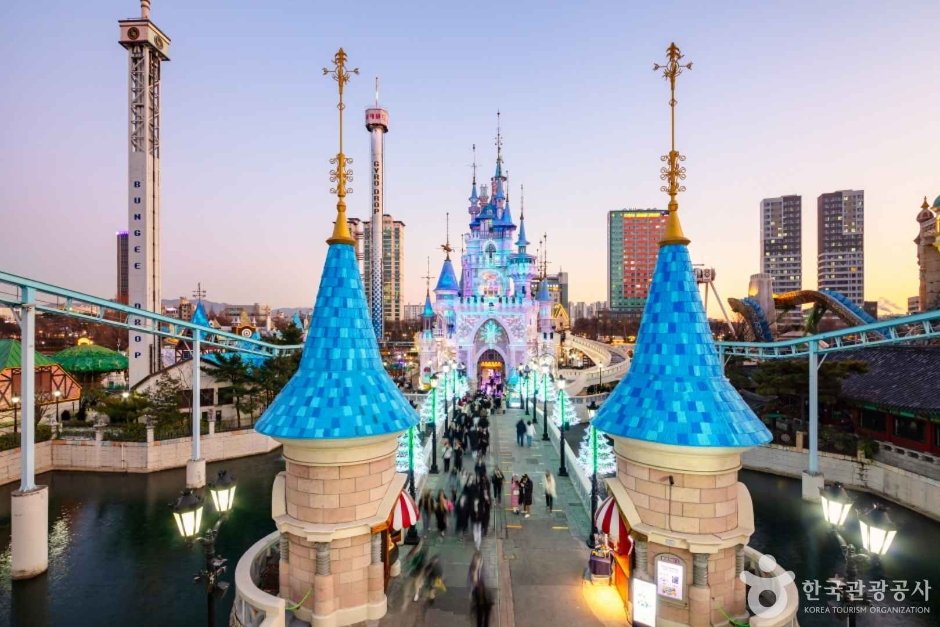
Information about Lotte World (롯데월드 어드벤처).
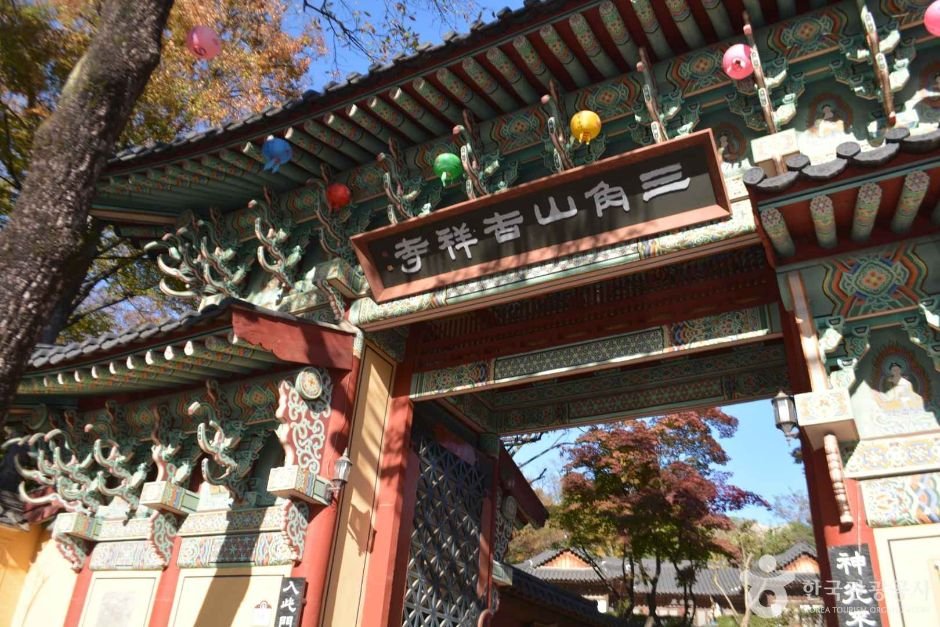
Gilsangsa Temple (Seoul) (길상사(서울)) – Homepage kilsangsa.info (Korean, English, Chinese, Japanese) – Tel +82-2-3672-5945 Gilsangsa Temple is a prominent temple located in Seongbuk-dong, Seoul. The name Gilsangsa means “a favorable and auspicious temple.” Visitors can experience temple, participate in Buddhist practices, and even enjoy Templestay programs on weekends. In fall, visitors can admire red spider…
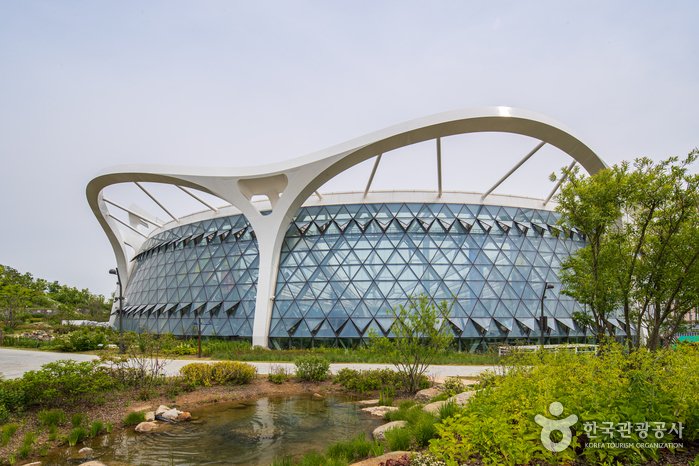
Seoul Botanic Park (서울식물원) – Homepage botanicpark.seoul.go.kr The Seoul Botanical Garden was created in Magok, the last remaining development site in Seoul, to introduce native plants and horticulture of 12 different cities from around the world and raise ecological awareness in the city. Seoul Botanic Park integrates a botanical garden and a public park, and…
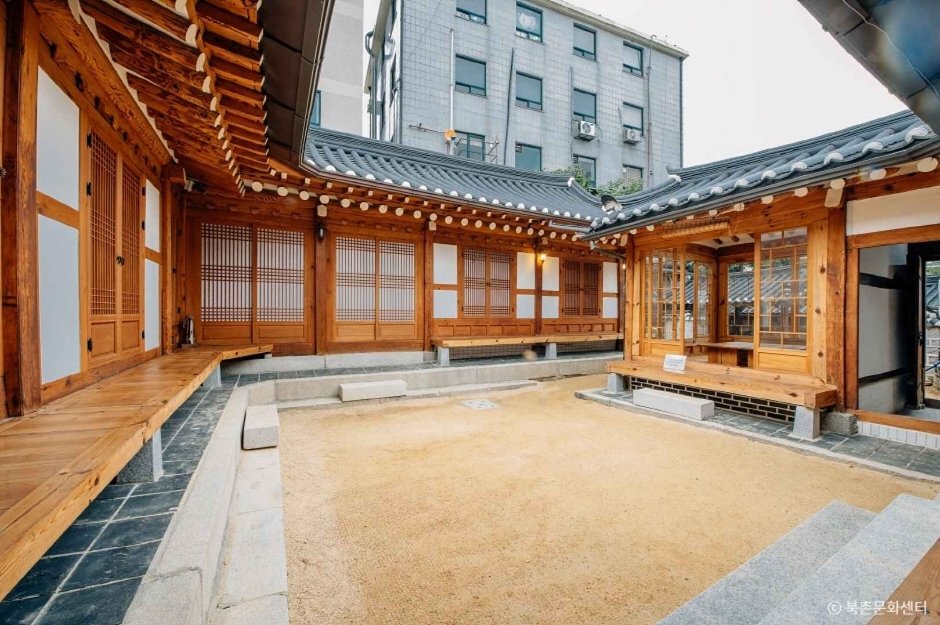
Bukchon Cultural Center (북촌문화센터) – Homepage hanok.seoul.go.kr Bukchon Cultural Center, located in a hanok, was established to offer traditional cultural experience opportunities for visitors to the area. The programs include tea ceremony, handicraft, and gugak as well as a Public Relations Exhibition Hall introducing Bukchon culture and hanok. Also, the center houses a space and…
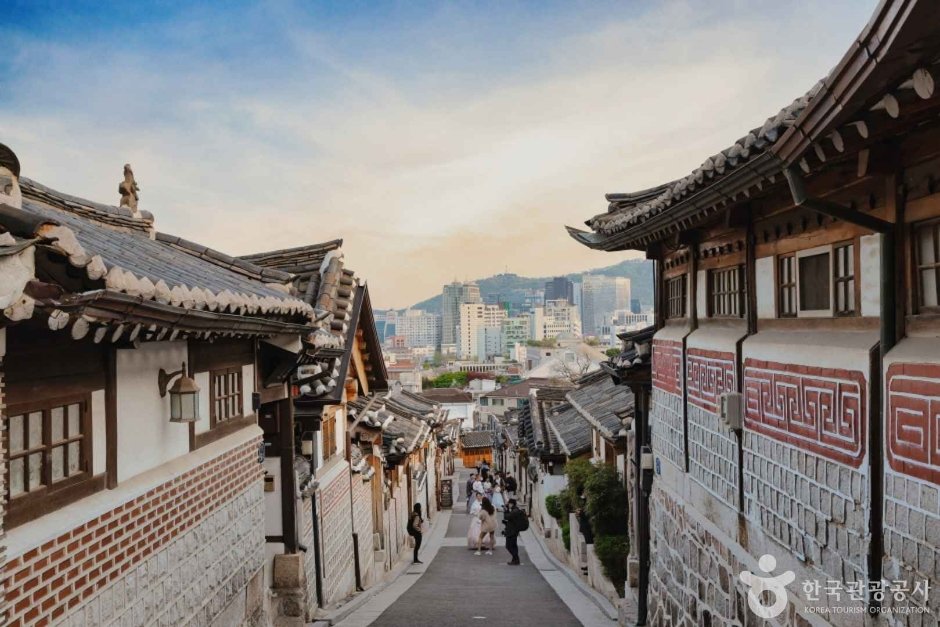
Bukchon Hanok Village (북촌한옥마을) – Homepage hanok.seoul.go.kr (Korean, English, Japanese, Chinese) Surrounded by Gyeongbokgung Palace, Changdeokgung Palace and Jongmyo Shrine, Bukchon Hanok Village is home to hundreds of traditional houses, called hanok, that date back to the Joseon dynasty. The name Bukchon, which literally translates to “northern village,” came about as the neighborhood lies north…
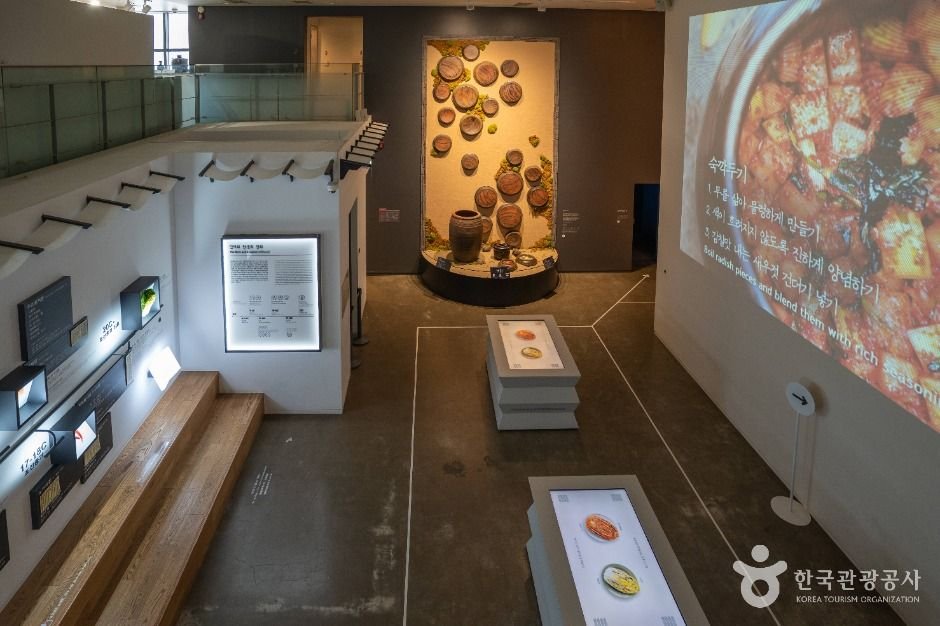
Museum Kimchikan (뮤지엄 김치간) – Homepage www.kimchimuseum.com/en Museum Kimchikan is a museum dedicated to kimchi in Insa-dong’s Maru Art Center. The exhibition details the culture, history, trajectory, and efficacy of kimchi and teaches the visitors how to make kimchi through videos. Visitors can also sample different types of kimchi. The museum offers both individual and…
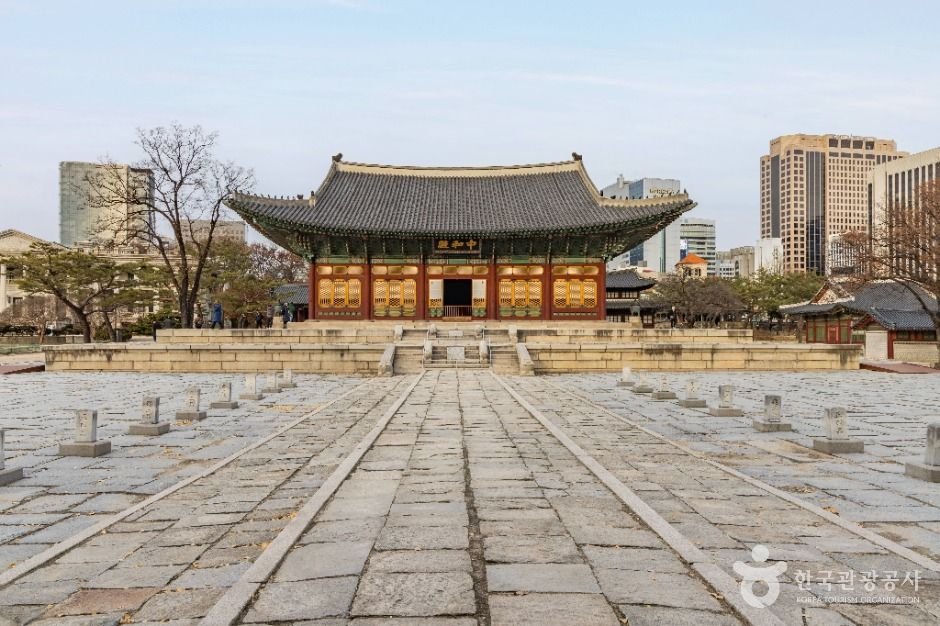
Information about Deoksugung Palace (덕수궁).
Jingwansa Temple (Seoul) [진관사(서울)] – Homepage jinkwansa.org (Korean only) Jingwansa Temple is one of the four Buddhist temples that surround Seoul. It was known as the center of Buddhism and academics. Jingwansa Temple is home to a variety of buildings, such as Daeungjeon Hall, Myeongbujeon Hall, and Nahanjeon Hall, all surrounded by the beautiful nature…
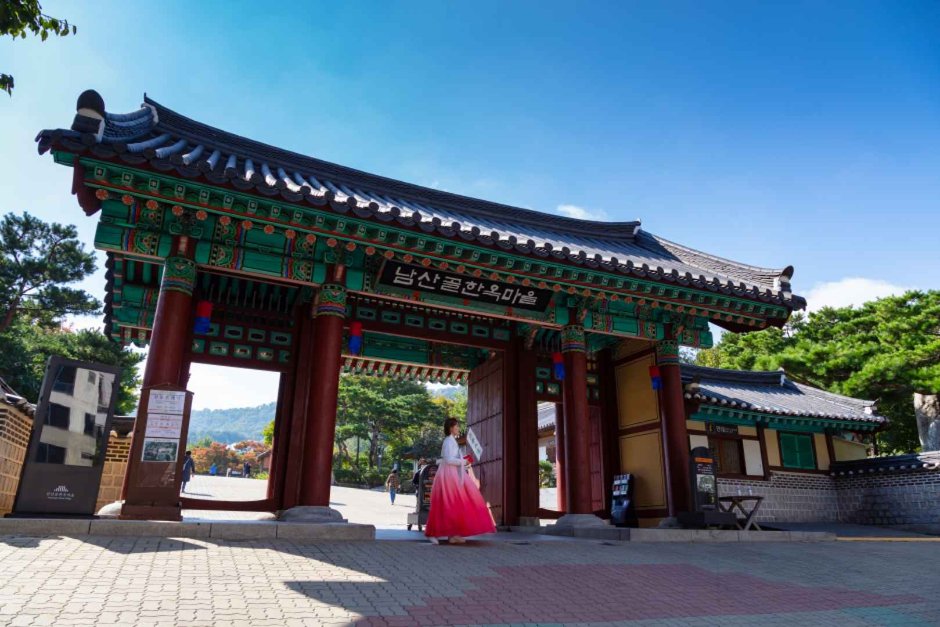
Namsangol Hanok Village (남산골한옥마을) – Homepage hanokmaeul.or.kr Namsangol Hanok Village opened in 1998 on the northern side of Namsan Mountain in the center of the capital. This village has five restored hanok (traditional Korean house) premises, a pavilion, a traditional garden, a performance art stage, and a time capsule plaza, making it a perfect spot…
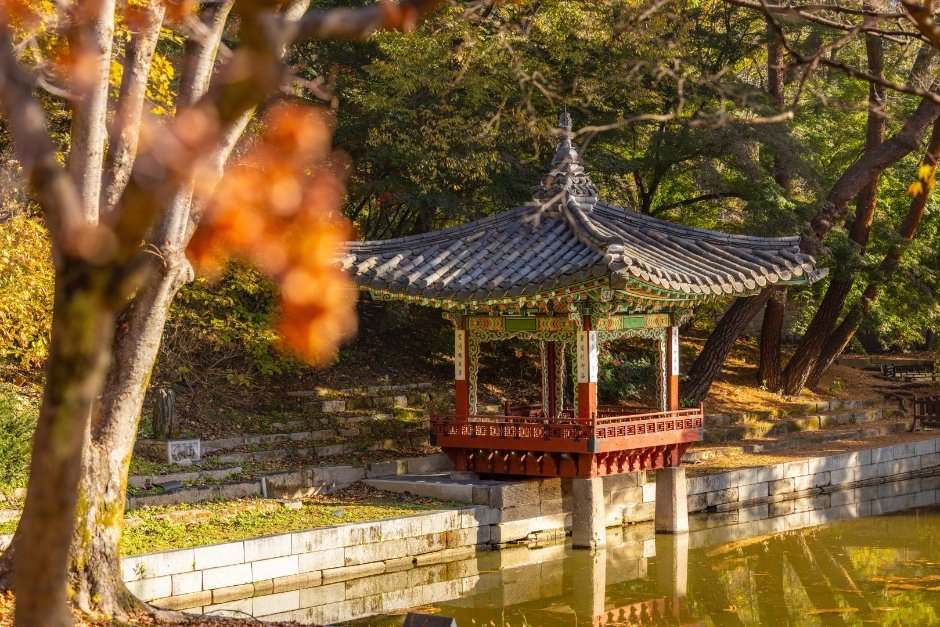
Changdeokgung Palace Complex [UNESCO World Heritage Site] (창덕궁과 후원 [유네스코 세계유산]) – Homepage royal.khs.go.kr Changdeokgung Palace was the second royal villa built following the construction of Gyeongbokgung Palace in 1405. It was the principal palace for many kings of the Joseon dynasty, and is the most well-preserved of the five remaining royal Joseon palaces. The…