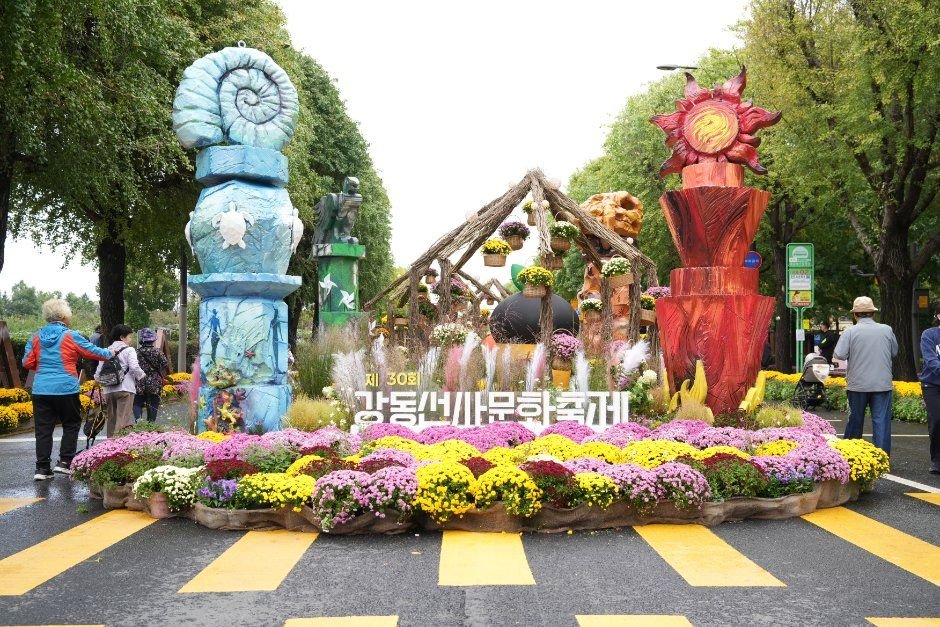
Gangdong Prehistoric Culture Festival (강동선사문화축제)
Gangdong Prehistoric Culture Festival (강동선사문화축제)
 – Homepage
www.gdsunsa.com: Visit site
– Tel
+82-2-3425-5247
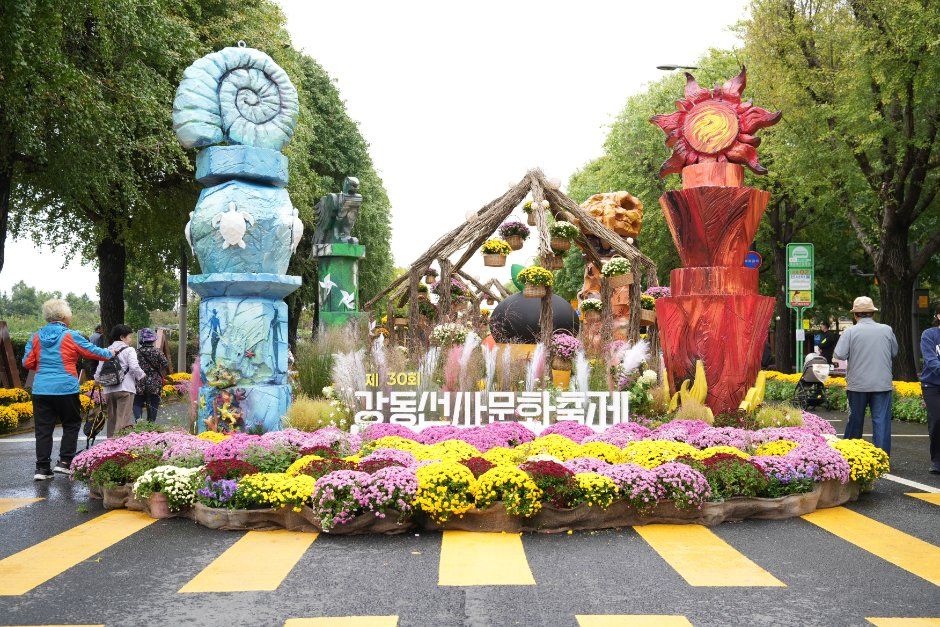
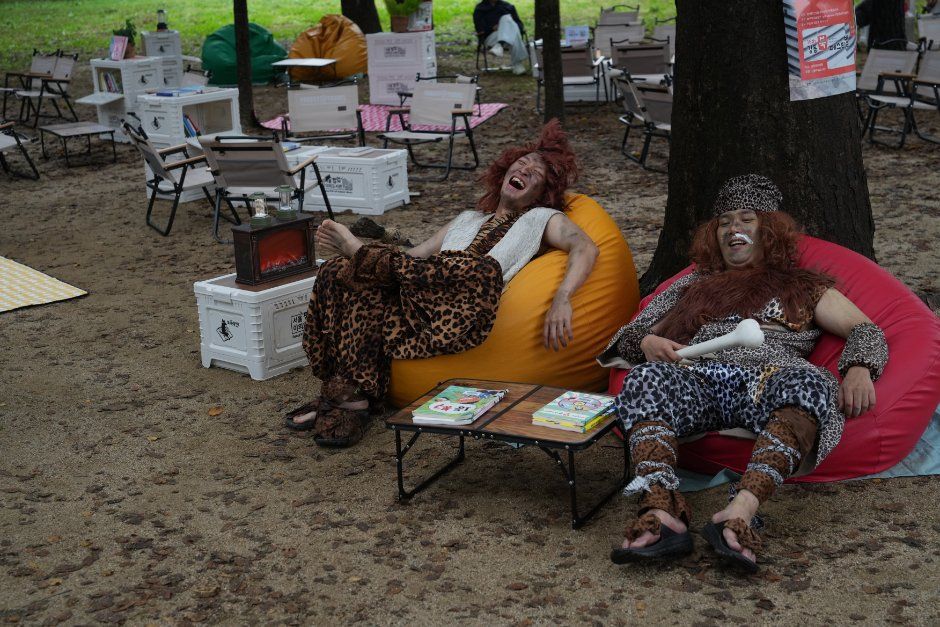
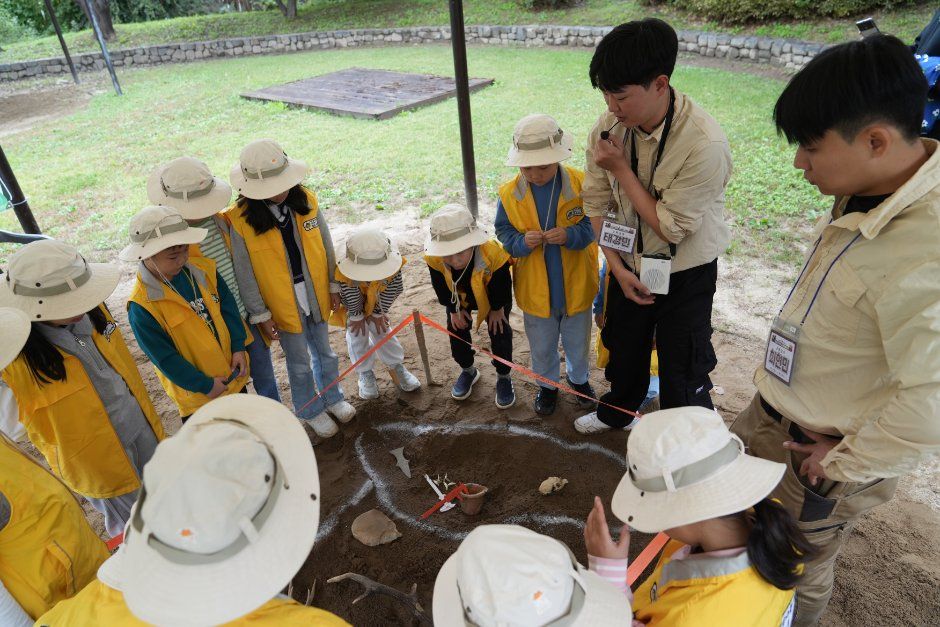
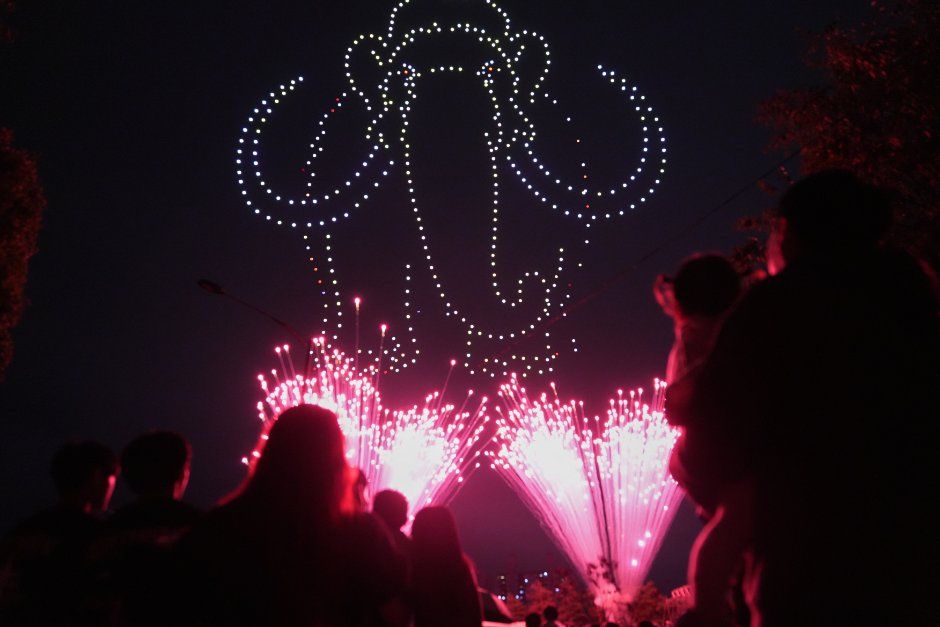
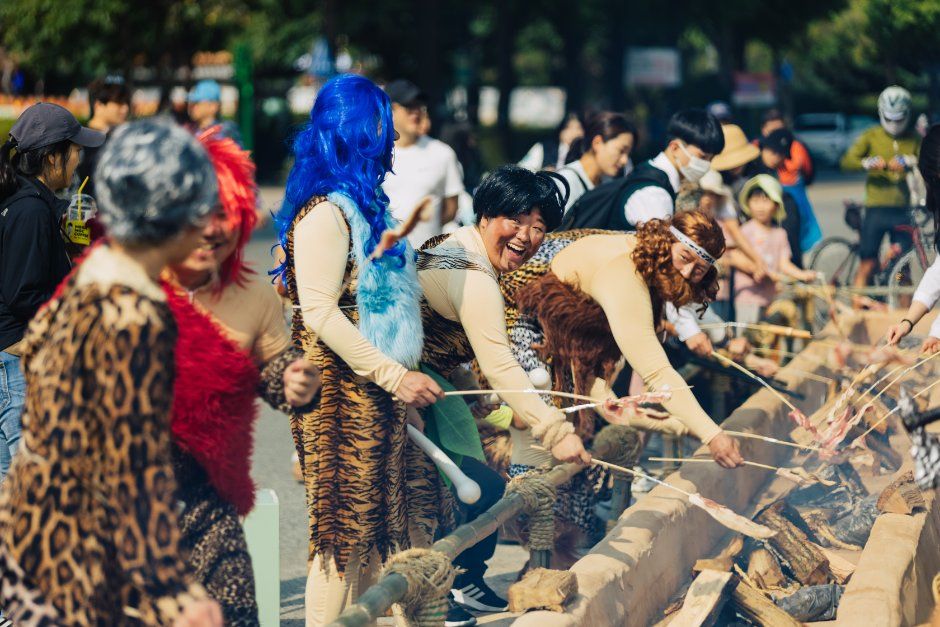
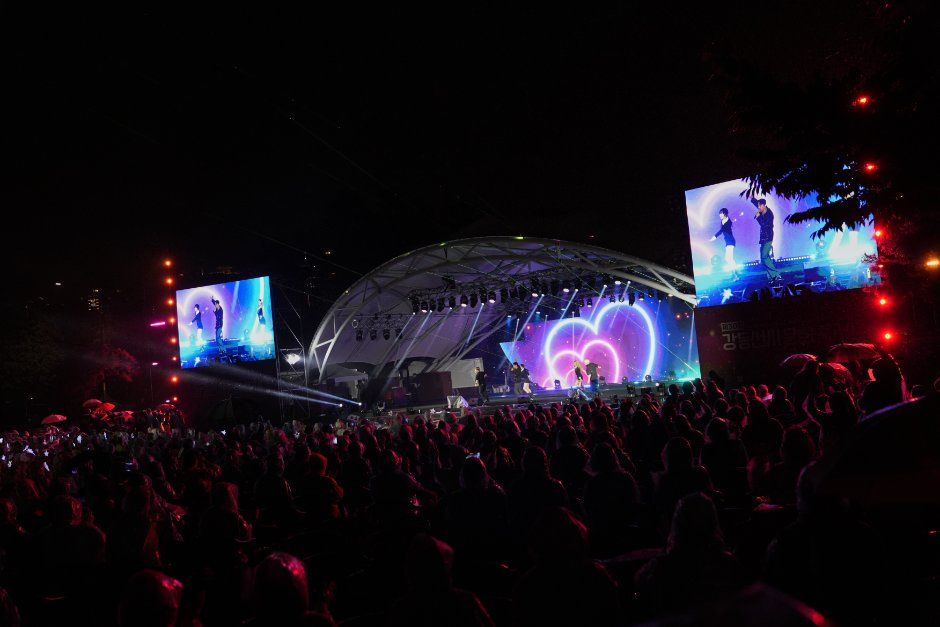
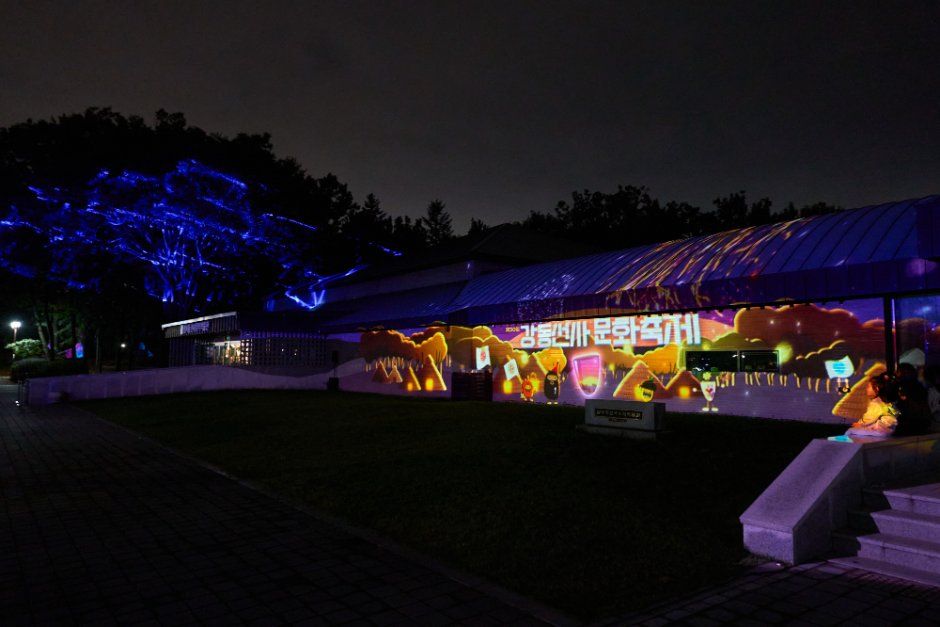
Now in its 31st edition, the Gangdong Prehistoric Culture Festival brings Korea’s prehistoric past to life in Amsa-dong, Gangdong-gu, Seoul. The festival showcases the Archeological Site in Amsa-dong, one of Seoul’s most important Neolithic heritage sites. It offers visitors a glimpse into daily life in prehistoric Korea and highlights the significance of this period in the country’s history. Hands-on activities, exhibitions, performances, and interactive programs offer engaging ways to explore Neolithic culture. Drawing on local heritage, the festival brings residents and visitors together to celebrate Gangdong-gu’s cultural identity, discover Amsa-dong’s historical attractions, and connect with the area’s prehistoric past.
– Address : 875, Olympic-ro, Gangdong-gu, Seoul
※ Presentation Information
– Event Date
20261016 ~ 20261018
– Schedule
10:00~21:00
– Location
Archaeological Site in Amsa-dong, Seoul and Amsa History Park
– Program
Opening and Closing Ceremonies, Special Performances, Prehistoric Barbecue Experience, Time-Slip Handicraft Market, Neolithic Archeology Experience School, Light Projection Show, Nighttime Light Displays, and more
– Sponsor
Gangdong-gu, Seoul
– Sponsor Phone
+82-2-3425-5247
– Fees
Free (fees vary by programs)


◎ Nearby Tourism Infobox
⊙ Amsa-dong Prehistoric Site Museum (암사동선사유적박물관)
View detailed guide on Korea Trip Guide →
– Homepage
Visit site
The archaeological sites in Amsa-dong, Seoul, were a collective settlement where people lived during the Neolithic Age about 6,000 years ago and became known to the world after the sand dunes along the Hangang River caved in during the great flood of 1925, exposing numerous pieces of comb-patterned pottery. The area designated as a historic site in 1979, and excavation of the site took place from 1981 to 1988. The cultural heritage protection area was expanded to a total area of 78,133㎡. Currently, nine Neolithic dugout huts and one experiential dugout hut have been restored. The exhibitions currently open to the public are Exhibition Hall 1, which displays a restoration of a Neolithic Age dugout, and Exhibition Hall 2, which displays various panels and models to help understand the prehistoric era as a whole.
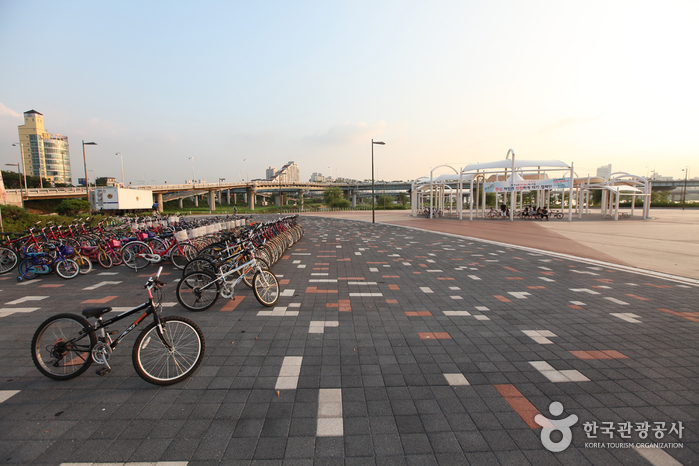
⊙ Gwangnaru Hangang Park (광나루한강공원)
View detailed guide on Korea Trip Guide →
– Homepage
hangang.seoul.go.kr: Visit site
Hangang Citizen’s Park, composed of 12 areas including Jamsil, Ttukseom and Jamwon, is an eco-friendly park providing areas for sports and leisure. The park is equipped with various cultural and recreational facilities and also has an ecological park. Gwangnaru Hangang Park formed naturally through rich silt that flowed in from the upper Hangang River that was then filled with reeds, creating an ideal habitat for groups of migratory birds.
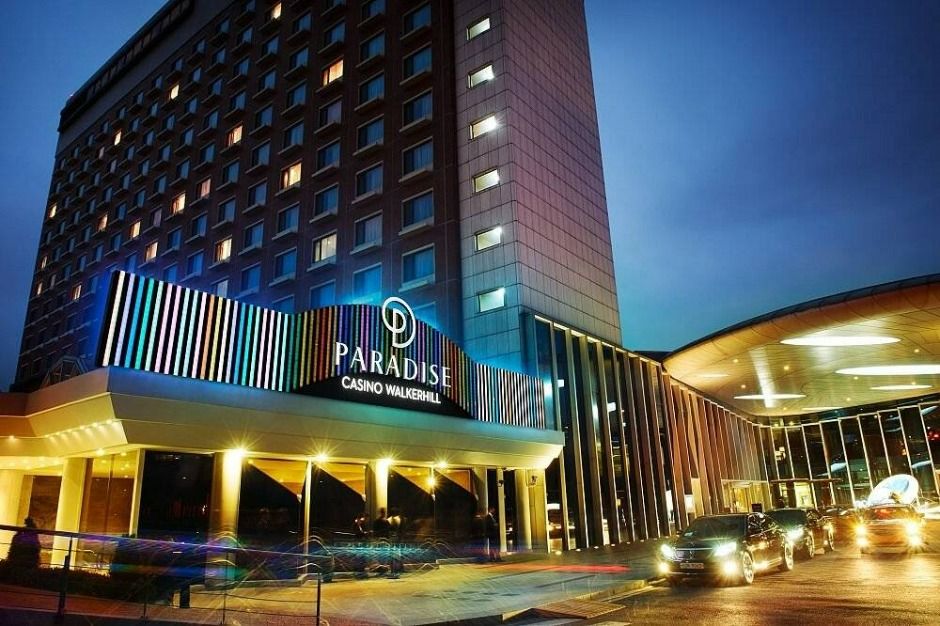
⊙ Paradise Casino Walker Hill (파라다이스 카지노 워커힐)
View detailed guide on Korea Trip Guide →
– Homepage
www.paradisecasino.co.kr: Visit site
Paradise Casino Walker Hill is a foreigner-exclusive casino operating inside Walker Hill Hotel, from where guests can enjoy a fine view of the Hangang River nearby. The casino is open 24 hours a day, all year round, and offers baccarat, blackjack, roulette, and tai-sai tables among others, and a variety of slot machines as well. The game tables are run by expert dealers, and staff members are fluent in many languages to serve the customers’ needs.
![BASH [Tax Refund Shop] (바쉬(BASH))](https://ktrip.blogsailing.com/wp-content/uploads/2025/12/3314898_image2_1.jpg)
](https://ktrip.blogsailing.com/wp-content/uploads/2026/05/4043841_image2_1.jpg)
](https://ktrip.blogsailing.com/wp-content/uploads/2026/04/4019988_image2_1.jpg)
](https://ktrip.blogsailing.com/wp-content/uploads/2026/05/4019270_image2_1.jpg)
](https://ktrip.blogsailing.com/wp-content/uploads/2026/05/4022376_image2_1.jpg)
](https://ktrip.blogsailing.com/wp-content/uploads/2026/03/4020449_image2_1.jpg)