Hanok 1957 (한옥1957)
Hanok 1957 (한옥1957)
 – Homepage
http://facebook.com/profile.php?id=100002443214606
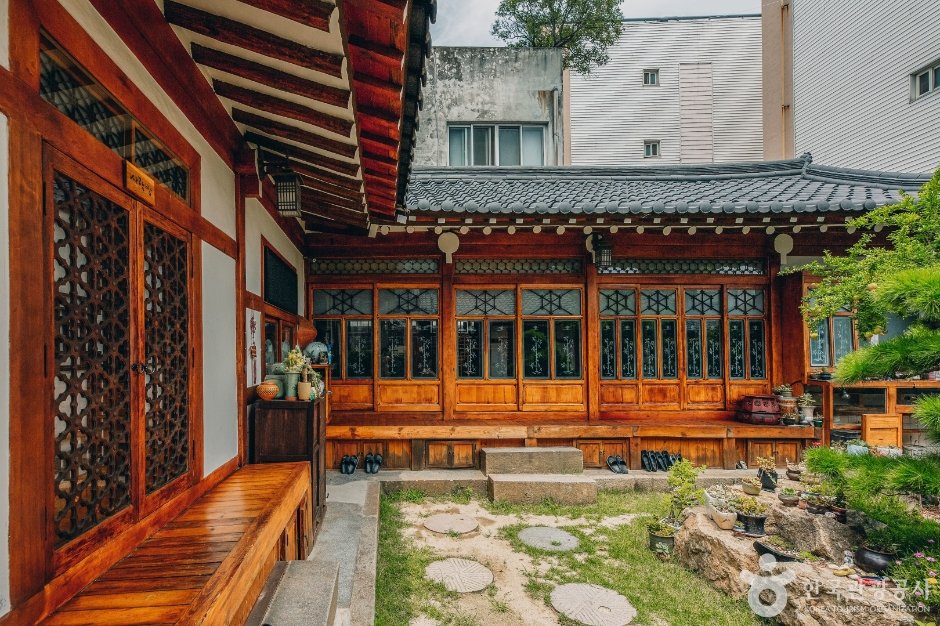
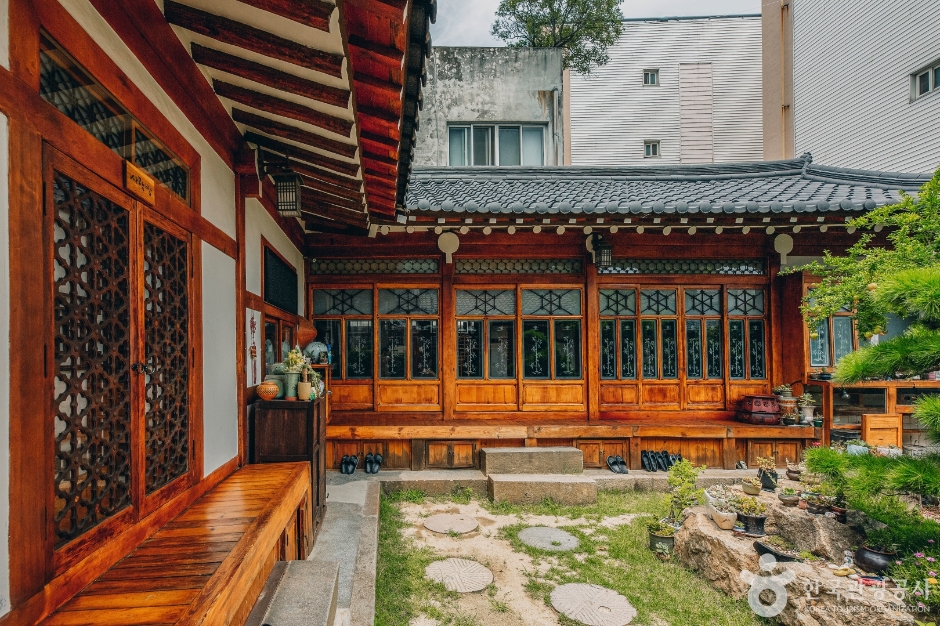
Located downtown Daegu, Hanok 1957 is a traditional Korean hanok built with red pine and woven with clay and straw roof tiles. The rafters, beams, and cabinets inlaid with mother-of-pearl add comfort and tranquility to the interior. There are five guest rooms, all of which are ondol (underfloor heated) rooms with bathrooms. There is a shared kitchen where you can cook simple meals. Seomun Market Station and Daegu Station are within walking distance, and nearby attractions include Dalseong Park and Seomun Market are also nearby.
– Address : 20-2 , Gukchaebosang-ro 101-gil, Jung-gu, Daegu
※ Presentation Information
– Check-in Time
15:00
– Check-out Time
10:30
– Daily Rate
Not available
– Amenities
No
– Parking Fee
Yes
– Number of Rooms
5


◎ Nearby Tourism Infobox
⊙ Daegu Art Factory (대구예술발전소)
View detailed guide on Korea Trip Guide →
– Homepage
www.daeguartfactory.kr
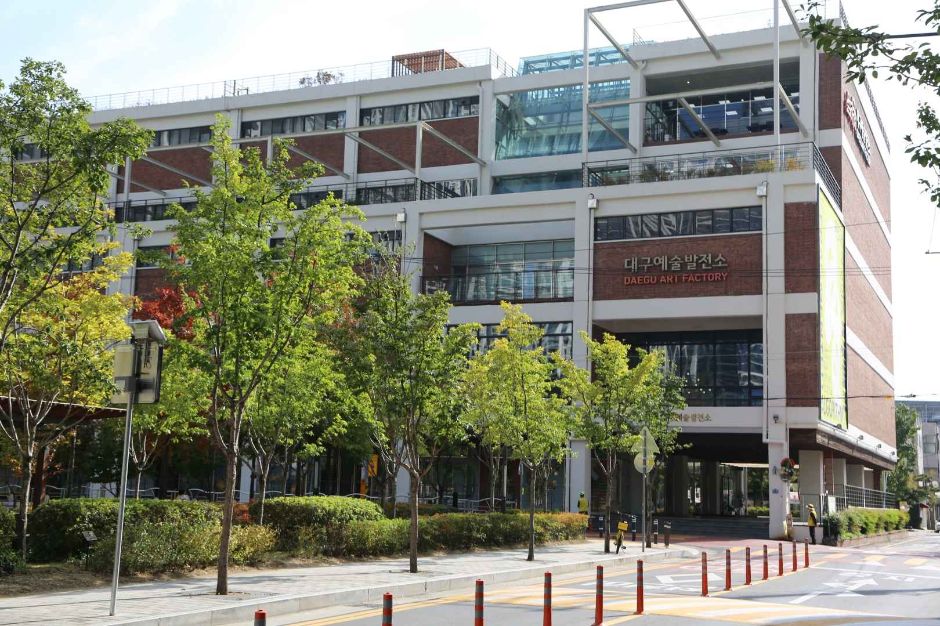
Daegu Art Factory is housed in an old tobacco plant, renovated into a space for art and culture. It hosts various exhibitions dedicated to Korean and international artists. Some of these include exhibitions dedicated to Daegu’s modernity, works of young artists, experimental projects, AI-based exhibitions, seminars, and art lectures. Through these exhibitions, Daegu Art Factory is cementing its status as an important platform for art exchange in Daegu. There’s also a space for families (children’s book reading room) for greater accessibility.
⊙ Suchang Youth Mansion (수창청춘맨숀)
View detailed guide on Korea Trip Guide →
– Homepage
www.suchang.or.kr
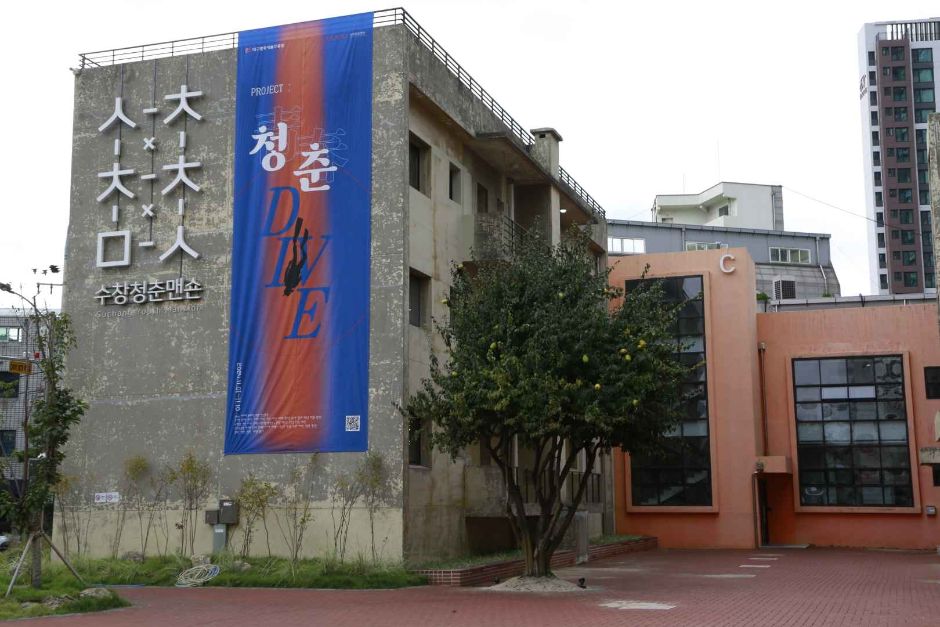
Once a derelict space and an eyesore, this facility was reborn as an art and cultural space. The building preserves its 50-year history with its old facade and houses an area dedicated to young artists in its interior, thus reborn as a space where the old coexist with the new. Suchang Youth Mansion, named so as a retro-style throwback to the old days when such English loanwords were not as common as today, opened its doors in December 2017. Today, it functions as a space for Daegu’s young artists. The first floor of Building A houses a cafe, while the second floor houses the art and cultural space, in which visitors can get a glimpse into Daegu’s unique identity through works of art, including those created by young artists of the region.
⊙ Keisung Middle School (계성중학교)
View detailed guide on Korea Trip Guide →
– Homepage
https://keisung.dge.ms.kr/keisungm
https://www.grandculture.net/daegu/
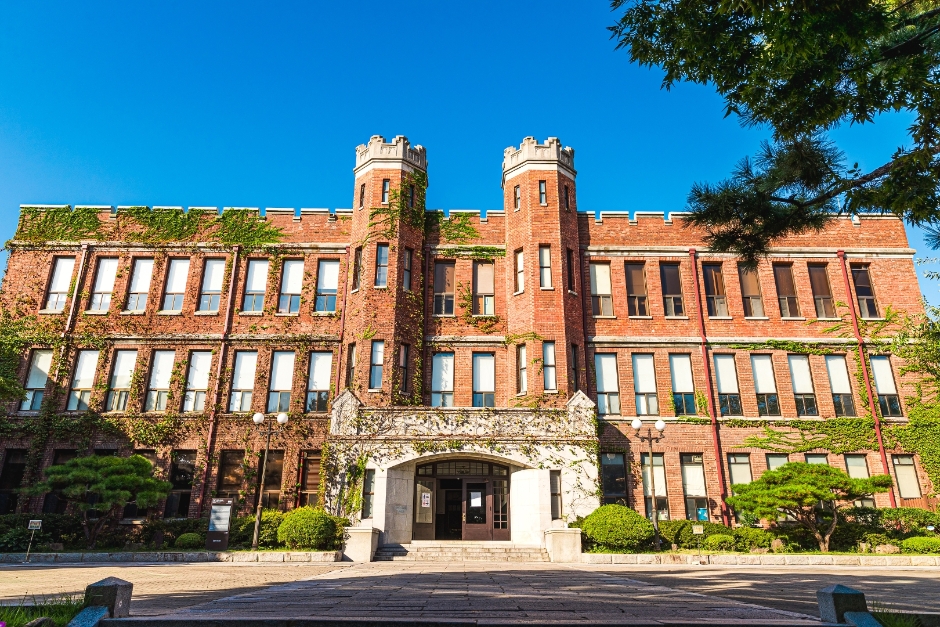
The hit song “DITTO” by NewJeans encapsulates a nostalgic old camcorder sentiment in its music video. The place that contributed to this feeling is one of the primary filming locations: Keisung Middle School. It’s a functioning school where students regularly attend, but it’s also renowned for its historical cultural buildings, making it a tourist attraction. Why not go on a NewJeans music video tour at the historically rich Keisung Middle School?
⊙ March 1st Independence Movement Road (3·1만세운동길)
View detailed guide on Korea Trip Guide →
– Homepage
www.jung.daegu.kr
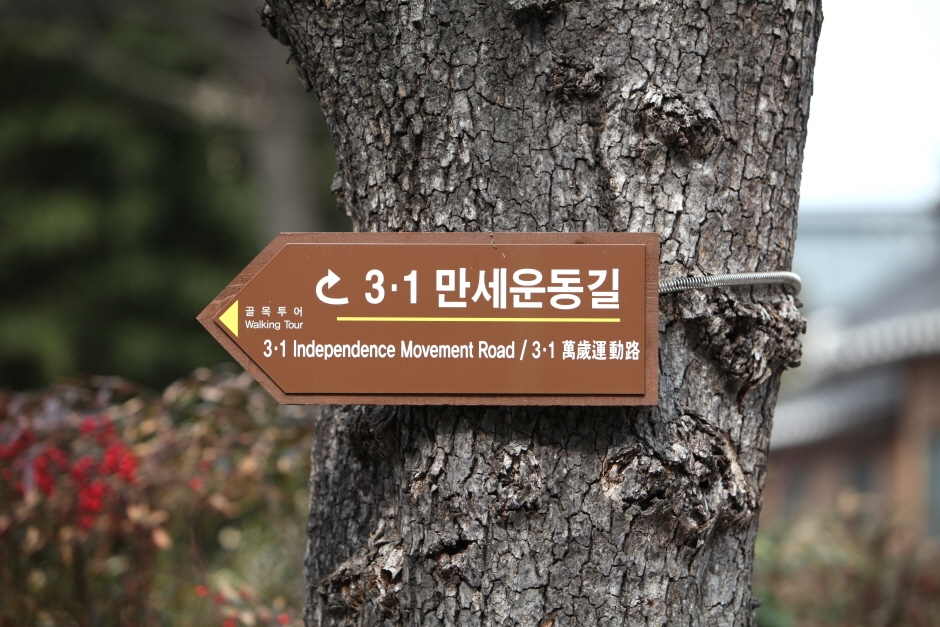
March 1st Independence Movement Road is a historical location where Daegu citizens gathered for the independence movement on March 8, 1919, and the midpoint of Daegu Modern Alley Tour Course 2. Passing Cheongna Hill Missionary’s House and Jeil Church, you will come to a road with murals of the independence movement. The March 1st Independence Movement Road is a hilly road leading to Gyesan Cathedral. It is also called 90 Stairs because there are 90 steps. On the wall of the stairs, there is an augmented reality (AR) experience zone along with site photos from history. By scanning the QR code is a 3D video that vividly reproduces the independence movement, enabling a realistic experience of history. Follow the signs of the Daegu March 8th Independence Movement marching road to reach the main road and it will lead to the the 100th anniversary monument of the March 1st Movement and the starting point of the March 8 Movement. A guided alley tour is available for free with an online reservation on the official website.
⊙ Daegu Seomun Market & Seomun Night Market (대구 서문시장 & 서문시장 야시장)
View detailed guide on Korea Trip Guide →
– Homepage
www.nightseomun.com
Seomun Market opened in its current location in the 1920s after reclaiming the Cheonhwangdangji Reservoir, but it has a much longer history. In the Joseon dynasty, Seomun Market was one of three major markets in the nation. It was called Seomun Market because it was located on the west side of the Daegu Fortress. Despite relocating, the alleyways of the original market still feature names of the items available there, such as Hongdukkae Pancake and Chicken Pancake Alley. Textile-related goods are the main products available now, but they also offer a little bit of everything else, including silk goods, dry goods, undershirts, crafts, dishes, clothes, and dried seafood.
⊙ Daegu Gyesan Cathedral (대구 계산동성당)
View detailed guide on Korea Trip Guide →
– Homepage
www.gyesancathedral.kr
Daegu Gyesan Cathedral is one of Daegu’s main churches, designed by Father Poisnel, who also designed Myeongdong Cathedral and imported stained glass for the windows directly from France. Being located in the city center, the cathedral is especially beautiful when seen at night.
⊙ House of Missionary Chamness (선교사챔니스주택)
View detailed guide on Korea Trip Guide →
– Homepage
gu.jung.daegu.kr
www.cha.go.kr
House of Missionary Chamness was the home of American Christian missionary Chamness and his family. It was built in the Western-style and provides a glimpse into the daily life of American missionaries in Korea. The house, a simple building in comparison with the houses of America at the time, is now considered a very important treasure of Korea’s modern history. The building has been converted into a small museum using artifacts from the missionaries to bring the past to life.
⊙ Daegu Jeil Church (대구제일교회)
View detailed guide on Korea Trip Guide →
– Homepage
www.firstch.org (Korean only)
Daegu Jeil Church is the oldest Protestant Church in Gyeongsangbuk-do Province. Initially established in 1898 over four tile-roofed houses, Daegu Jeil Church was rebuilt in 1933 with traditional and Western architectural designs. Subsequently, Deacon Lee Ju-Yeol dedicated a 33m bell tower in 1937, whlie the church underwent an interior renovation in 1969, and an expansion in 1981.
In conjuction with its physical development, which was at the forefront of the nation’s architectural modernization, the church contributed largely to modernization and expansion of Christianity in the region as well as in Korea. In addition, by introducing modern medicine and education to the citizens of Daegu, the founders of Daegu Jeil Church stimulated social development in the region.
⊙ House of Seo Sang-don (서상돈 고택)
View detailed guide on Korea Trip Guide →
– Homepage
www.jung.daegu.kr
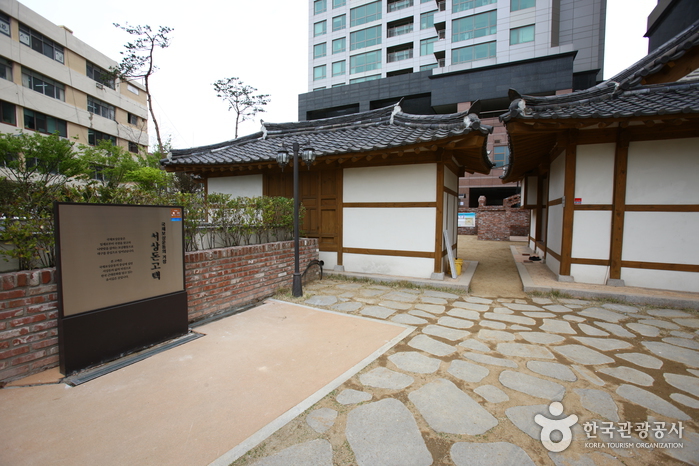
The house of entrepreneur and activist Seo Sang-don is located in the heart of Daegu. In 1907, in an effort to repay national debt and to gain independence from Japan, Seo launched the National Debt Repayment Movement as well as a nationwide campaign calling for people to quit smoking.
In celebration of Seo’s leadership, the City of Daegu restored Seo’s old house and opened it to the public. The City also built the National Debt Repayment Park and erected a statue of Seo in his honor.
](https://ktrip.blogsailing.com/wp-content/uploads/2026/06/4020256_image2_1.jpg)
![Shesmiss – Hyundai Outlets Daegu Branch [Tax Refund Shop] (쉬즈미스 현대아울렛 대구점)](https://ktrip.blogsailing.com/wp-content/uploads/2026/06/4044695_image2_1.jpg)
](https://ktrip.blogsailing.com/wp-content/uploads/2026/06/4028131_image2_1.jpg)
![Nepa – Hyundai Outlets Daegu Branch [Tax Refund Shop] (네파 현대아울렛 대구점)](https://ktrip.blogsailing.com/wp-content/uploads/2026/06/4044696_image2_1.jpg)
](https://ktrip.blogsailing.com/wp-content/uploads/2026/06/4028195_image2_1.jpg)