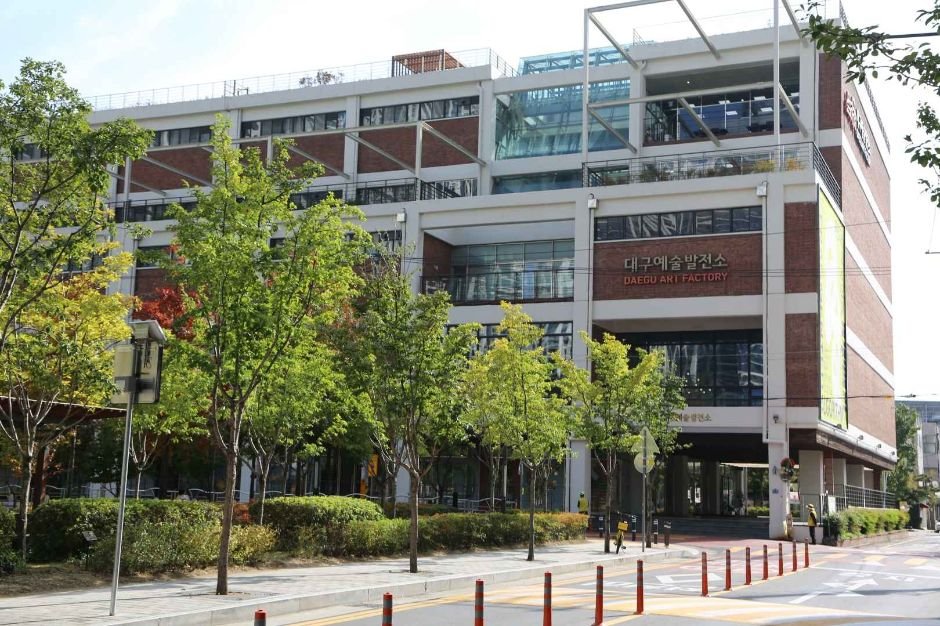
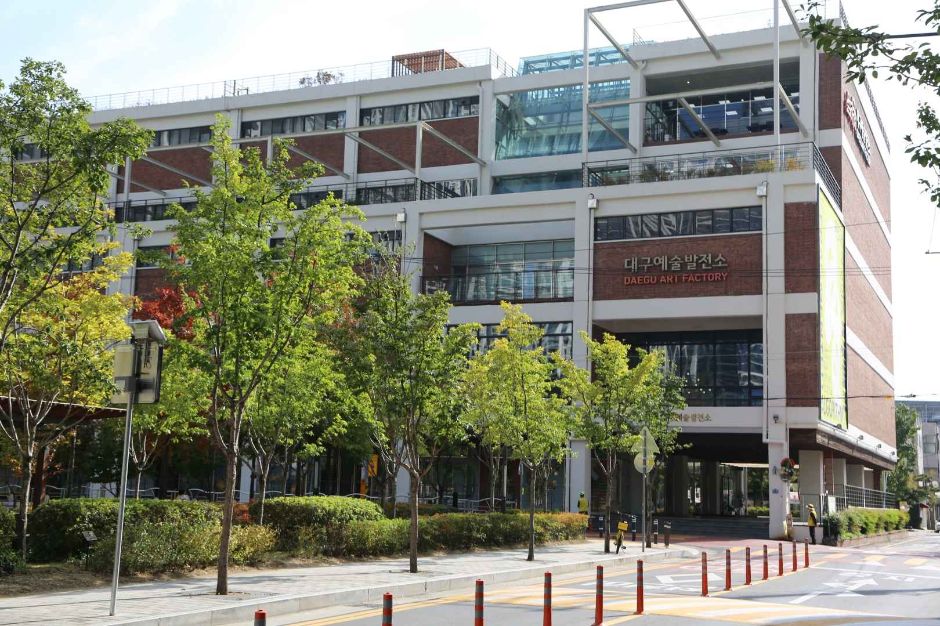
Daegu Art Factory (대구예술발전소)
Daegu Art Factory (대구예술발전소)
 – Homepage
www.daeguartfactory.kr
Daegu Art Factory is housed in an old tobacco plant, renovated into a space for art and culture. It hosts various exhibitions dedicated to Korean and international artists. Some of these include exhibitions dedicated to Daegu’s modernity, works of young artists, experimental projects, AI-based exhibitions, seminars, and art lectures. Through these exhibitions, Daegu Art Factory is cementing its status as an important platform for art exchange in Daegu. There’s also a space for families (children’s book reading room) for greater accessibility.
– Address : 31-12 Dalseong-ro 22-gil, Jung-gu, Daegu
※ Presentation Information
– Information and Guides
+82-53-430-5677
– Parking
Available (Free)
– Day Off
Mondays, January 1, the day of Seollal (Lunar New Year’s Day) & Chuseok (Korean Thanksgiving Day)
– Usage Fee
Free (separate fee may apply to exhibitions)
– Operating Hours
10:00-18:00


◎ Nearby Tourism Infobox
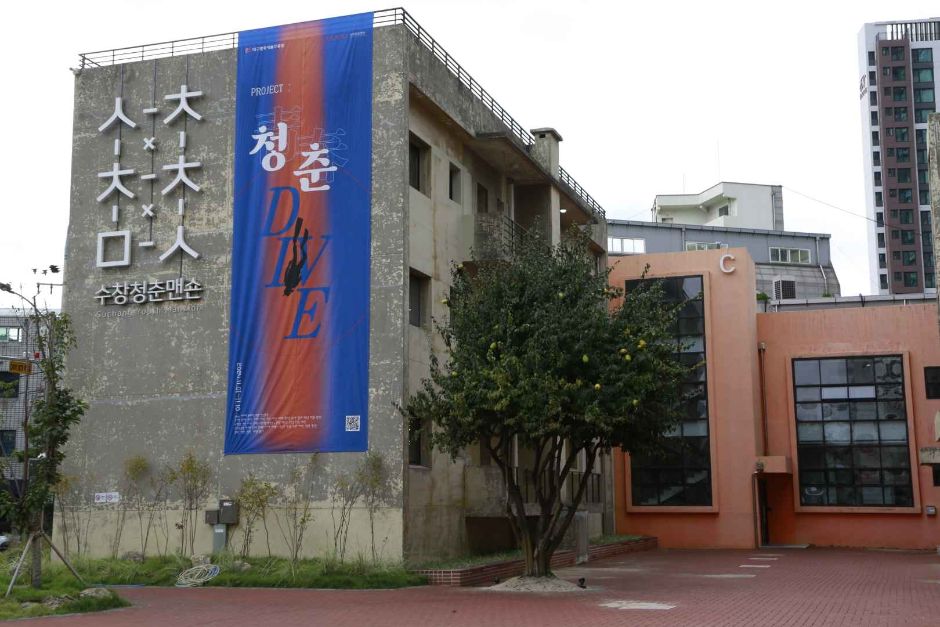
⊙ Suchang Youth Mansion (수창청춘맨숀)
View detailed guide on Korea Trip Guide →
– Homepage
www.suchang.or.kr
Once a derelict space and an eyesore, this facility was reborn as an art and cultural space. The building preserves its 50-year history with its old facade and houses an area dedicated to young artists in its interior, thus reborn as a space where the old coexist with the new. Suchang Youth Mansion, named so as a retro-style throwback to the old days when such English loanwords were not as common as today, opened its doors in December 2017. Today, it functions as a space for Daegu’s young artists. The first floor of Building A houses a cafe, while the second floor houses the art and cultural space, in which visitors can get a glimpse into Daegu’s unique identity through works of art, including those created by young artists of the region.
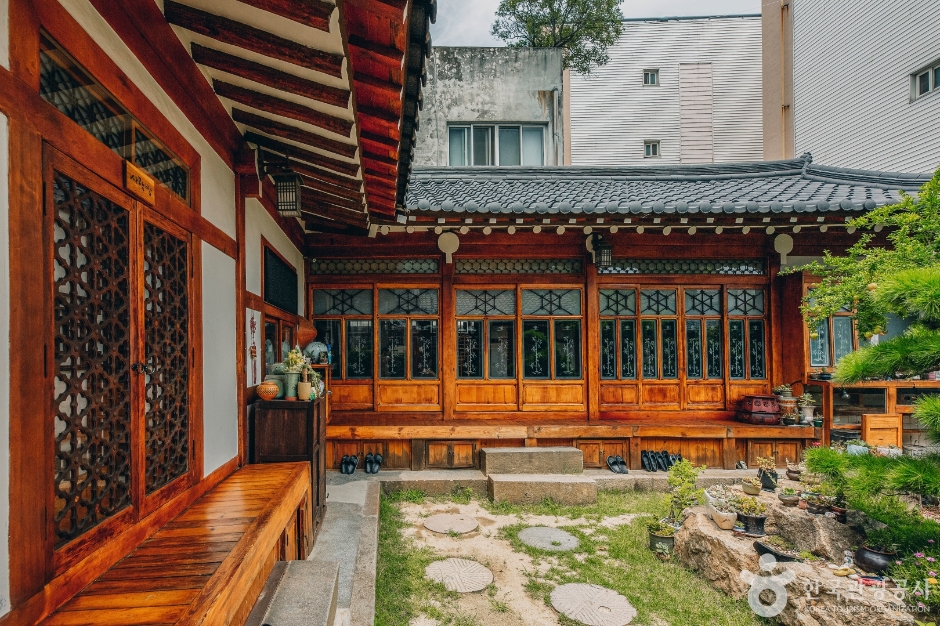
⊙ Hanok 1957 (한옥1957)
– Homepage
http://facebook.com/profile.php?id=100002443214606
Located downtown Daegu, Hanok 1957 is a traditional Korean hanok built with red pine and woven with clay and straw roof tiles. The rafters, beams, and cabinets inlaid with mother-of-pearl add comfort and tranquility to the interior. There are five guest rooms, all of which are ondol (underfloor heated) rooms with bathrooms. There is a shared kitchen where you can cook simple meals. Seomun Market Station and Daegu Station are within walking distance, and nearby attractions include Dalseong Park and Seomun Market are also nearby.
⊙ Daegu Modern History Museum (대구근대역사관)
– Homepage
artcenter.daegu.go.kr
Located in Pojeong-dong, Jung-gu, Daegu, the Daegu Modern History Museum was officially opened on January 24, 2011. The museum is housed in a building that is rich in history. First built by Japan in 1932 as a bank, the building was once a symbol of repression and exploitation during the Japanese colonial rule. Today, the building stands proudly as an educational site and bears the title of ‘Cultural Property No. 49’ in recognition of its historical and cultural significance.
The two-story museum (1,971 square meters) houses a permanent exhibition (1F), featured exhibition (2F), and a hands-on exhibition room and classroom for diverse cultural activities and lectures. The history exhibition features the lifestyle of Daegu citizens, local customs, and education of the late 19th century and the early 20th century.
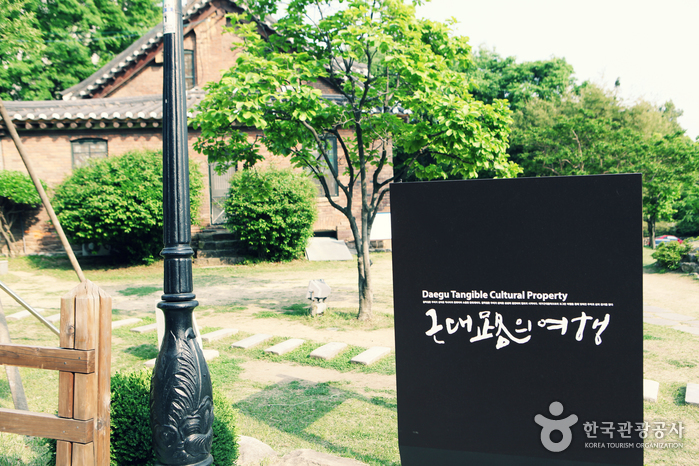
⊙ Daegu Modern History Streets (Tour of Modern Streets) (대구 근대골목(근대로의 여행))
View detailed guide on Korea Trip Guide →
– Homepage
www.jung.daegu.kr (Korean, English, Japanese, Chinese)
Daegu Modern History Streets is an experiential tour that brings the participants across Daegu’s alleyways and living history. During the Korean War, Daegu was much less damaged than other regions. Because of that, the city retains the changes in lifestyles before and after the war relatively well.
There are 13 courses in total, run by regional self-governance groups in Daegu, defined according to different themes and areas. The most popular among them is Course 2, the Modern Cultural Street, which takes visitors on a tour of major sites associated with Daegu’s modernity. Follow the retro aesthetics and the history of Daegu and Korea along places like Kyesan Catholic Church, Jeil Church, old houses, and the former Chinese Elementary School.
Note that multilingual tours are offered to international visitors in English, Japanese, and Chinese, in regular tours (14:00 every Saturday) and on-demand tours (available for groups of more than 5). Reservations are offered on the official website.
⊙ Daegu Dalseong Park (대구 달성공원)
View detailed guide on Korea Trip Guide →
– Homepage
www.grandculture.net
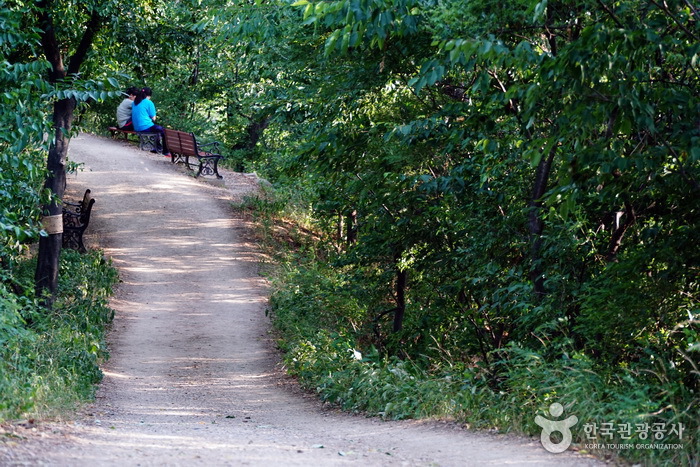
Daegu Dalseong Park is the oldest outdoor leisure place in Daegu. The park was once a fortress location of Dalgubeol, a tribal country of the Three Kingdoms Era. The area was established as a park in 1905, and in 1965, the city of Daegu transformed the park into the well-organized leisure area loved by citizens and visitors today. Within the park is Historical Monument Gwanpungnu Pavilion, built in 1601 and moved from the entrance of Gyeongsanggamyeon to the park in 1906.
⊙ Daegu Seomun Market & Seomun Night Market (대구 서문시장 & 서문시장 야시장)
– Homepage
www.nightseomun.com
Seomun Market opened in its current location in the 1920s after reclaiming the Cheonhwangdangji Reservoir, but it has a much longer history. In the Joseon dynasty, Seomun Market was one of three major markets in the nation. It was called Seomun Market because it was located on the west side of the Daegu Fortress. Despite relocating, the alleyways of the original market still feature names of the items available there, such as Hongdukkae Pancake and Chicken Pancake Alley. Textile-related goods are the main products available now, but they also offer a little bit of everything else, including silk goods, dry goods, undershirts, crafts, dishes, clothes, and dried seafood.
⊙ Daegu Concert House (Formerly Daegu Citizens’ Hall) (대구콘서트하우스 (구.대구시민회관))
– Homepage
concerthouse.daegu.go.kr
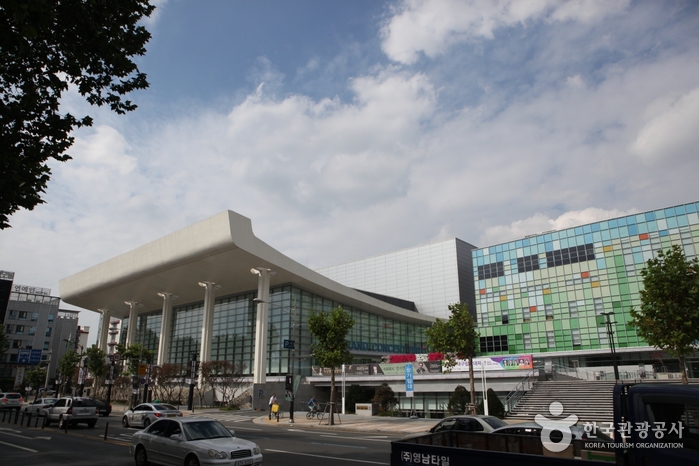
Daegu Concert House, previously Daegu Citizen’s Hall, had undergone renovations from April 2011 to August 2013 to reconstruct eaves and columns of the large concert halls and to build a performance support hall perfect for international concerts. The hall is equipped with sound facilities matching international standards. Grand Hall has 1,284 seats, Chamber Hall (small concert hall) has 248 seats, and the parking lot can accommodate a total of 387 cars throughout 215 spaces in the basement level parking lot and 72 spaces in the parking tower. In addition, the concert hall houses an exhibition hall, practice room, and community facilities. In particular, the Grand Hall offers vivid, visible, and acoustic effect by shortening the distance between the performers and audience so that it fits the international standard for concert halls with the best sound facilities.
⊙ Keisung Middle School (계성중학교)
View detailed guide on Korea Trip Guide →
– Homepage
https://keisung.dge.ms.kr/keisungm
https://www.grandculture.net/daegu/
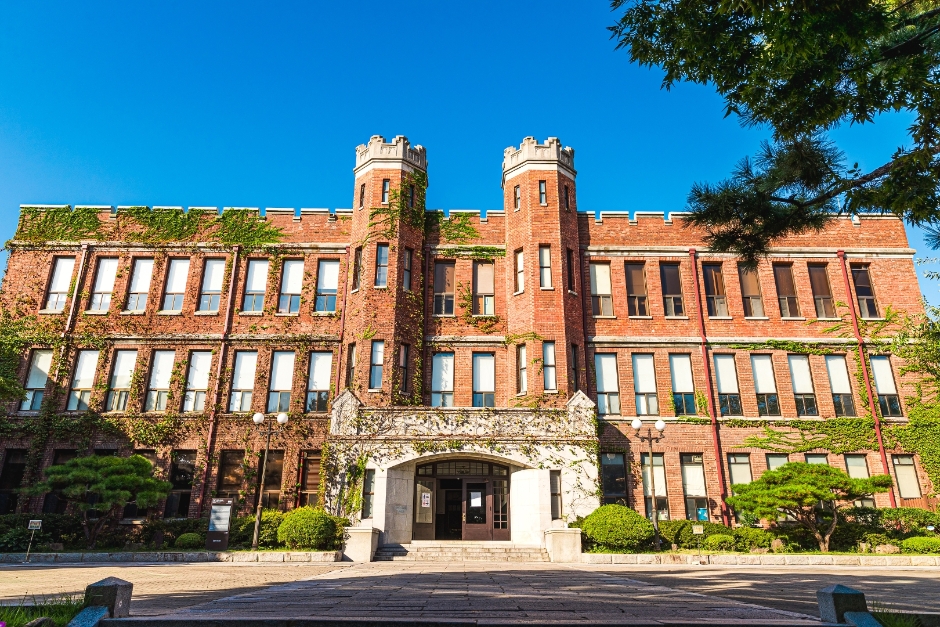
The hit song “DITTO” by NewJeans encapsulates a nostalgic old camcorder sentiment in its music video. The place that contributed to this feeling is one of the primary filming locations: Keisung Middle School. It’s a functioning school where students regularly attend, but it’s also renowned for its historical cultural buildings, making it a tourist attraction. Why not go on a NewJeans music video tour at the historically rich Keisung Middle School?
⊙ March 1st Independence Movement Road (3·1만세운동길)
View detailed guide on Korea Trip Guide →
– Homepage
www.jung.daegu.kr
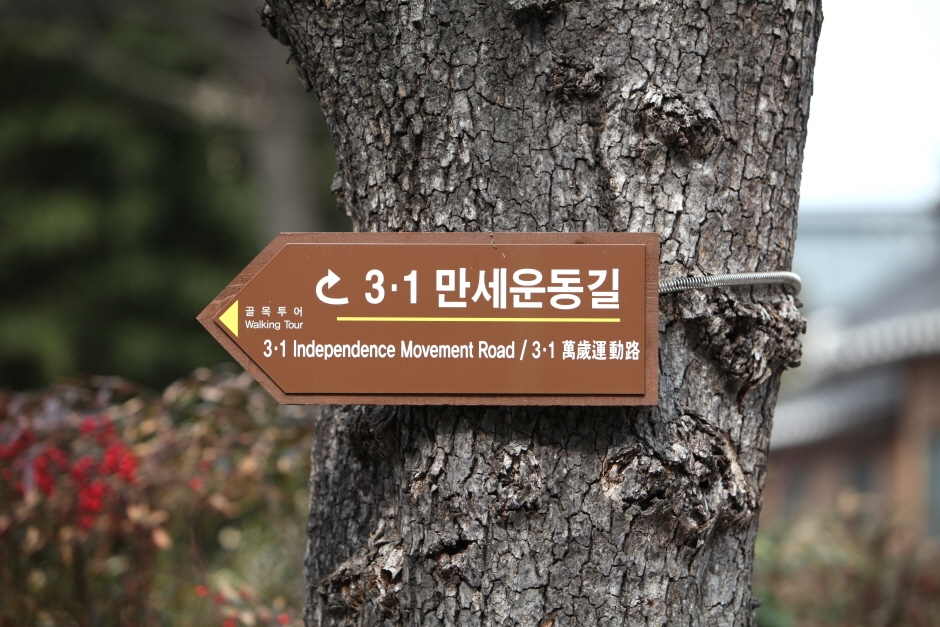
March 1st Independence Movement Road is a historical location where Daegu citizens gathered for the independence movement on March 8, 1919, and the midpoint of Daegu Modern Alley Tour Course 2. Passing Cheongna Hill Missionary’s House and Jeil Church, you will come to a road with murals of the independence movement. The March 1st Independence Movement Road is a hilly road leading to Gyesan Cathedral. It is also called 90 Stairs because there are 90 steps. On the wall of the stairs, there is an augmented reality (AR) experience zone along with site photos from history. By scanning the QR code is a 3D video that vividly reproduces the independence movement, enabling a realistic experience of history. Follow the signs of the Daegu March 8th Independence Movement marching road to reach the main road and it will lead to the the 100th anniversary monument of the March 1st Movement and the starting point of the March 8 Movement. A guided alley tour is available for free with an online reservation on the official website.
![Lens Me – Dongseong-ro Branch [Tax Refund Shop] (렌즈미 동성로점)](https://ktrip.blogsailing.com/wp-content/uploads/2026/06/4020276_image2_1.jpg)
](https://ktrip.blogsailing.com/wp-content/uploads/2026/06/4028195_image2_1.jpg)
](https://ktrip.blogsailing.com/wp-content/uploads/2026/06/4024127_image2_1.jpg)
](https://ktrip.blogsailing.com/wp-content/uploads/2026/06/4042020_image2_1.jpg)
](https://ktrip.blogsailing.com/wp-content/uploads/2026/06/4020218_image2_1.jpg)
](https://ktrip.blogsailing.com/wp-content/uploads/2026/06/4028143_image2_1-1.jpg)
One Comment