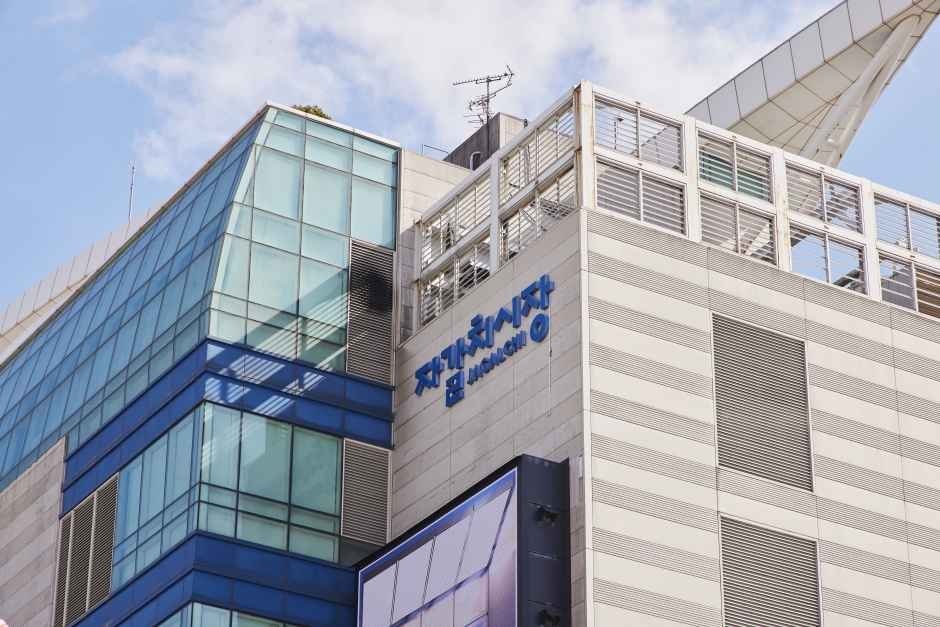
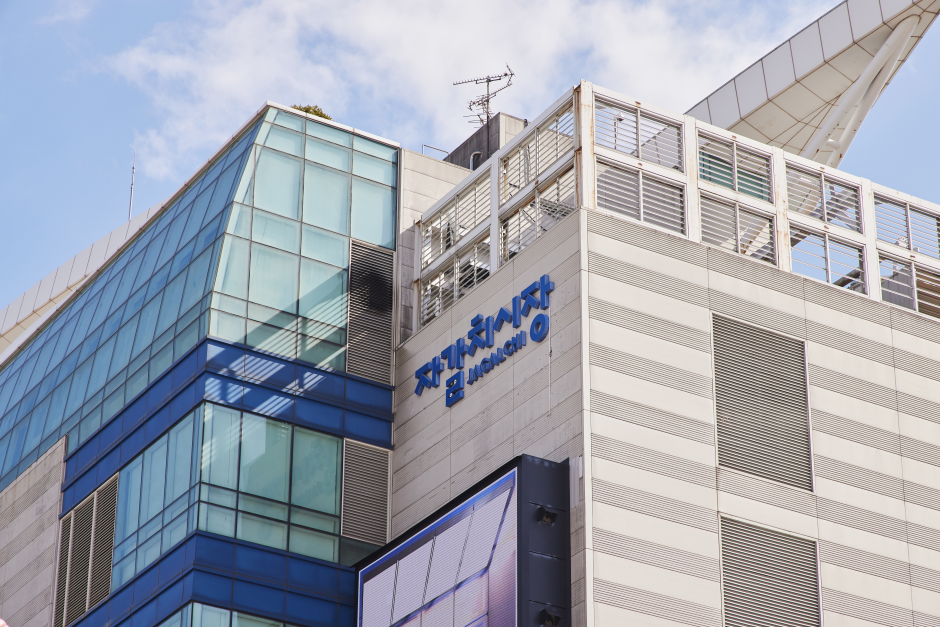
Jagalchi Market (부산 자갈치시장)
Jagalchi Market (부산 자갈치시장)
 – Homepage
bisco.or.kr/jagalchimarket
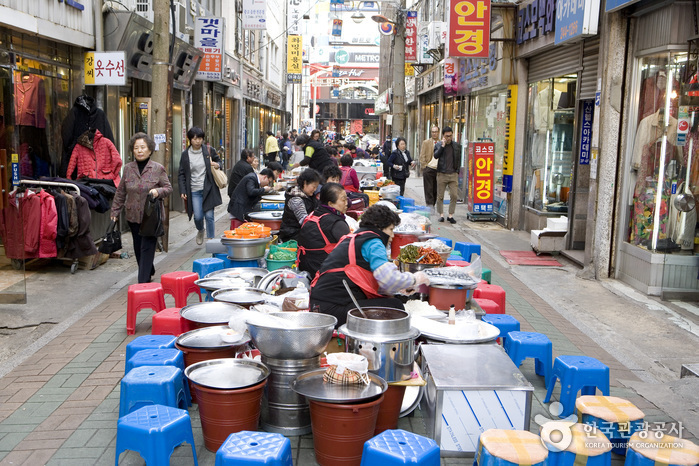
Jagalchi Market, located on the seaside road in Busan’s Jung-gu, is one of the largest seafood markets in Korea, selling both live and dried fish. After the Korean War, the market solidified itself as a fish market. Most of the people who sell fish are women, so the vendors here are called Jagalchi Ajumeoni, “ajumeoni” meaning middle-aged or married woman in Korean.
This market represents Busan and is famous throughout the country. Visitors can eat fresh raw fish right at the market. Even nowadays visitors can see women selling mackerel, sea squirts (ascidians) and other seafood on wooden boxes along the road outside of the market and along the shore.
– Address : 52 Jagalchihaean-ro, Jung-gu, Busan
※ Presentation Information
– Information and Guides
+82-51-245-2594
– Opening Hours
05:00-22:00
– Day Off
1st & 3rd Tuesdays
– Parking
Available
– Restroom
Available on each floor
– Items for Sale
Fresh fish, dried fish, hoe center, etc.


◎ Nearby Tourism Infobox
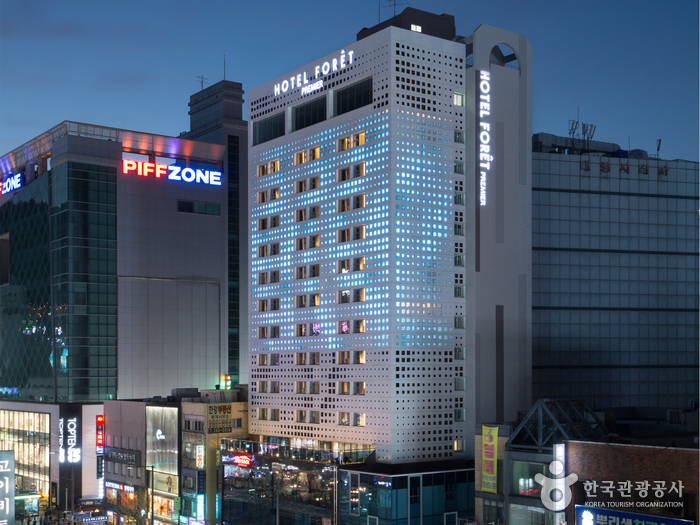
⊙ Hotel Forêt Premier Nampo (호텔포레 프리미어 남포)
– Homepage
http://www.hotelforetpremier.com
Hotel Foret Premier Nampo in Busan is located midway between Jagalchi and Nampo Stations on Busan Line 1, both of which are about 6 minutes away on foot. There are also many bus stops nearby, so transport is super-convenient. The rooms are equipped with air purifiers, bidets, and premium down pillows to help guests sleep soundly. There is a cafe over floors 1 and 2, a restaurant on floor 3, and a business center and meeting rooms for guests’ use. Nearby must-see places include Gukje Market, Jagalchi Market, and Yongdusan Park – all reachable on foot.
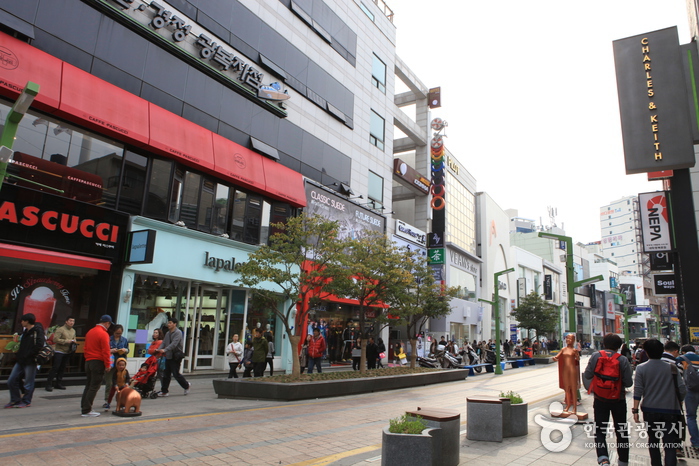
⊙ Gwangbok-dong Cultural & Fashion Street (광복로문화패션거리)
View detailed guide on Korea Trip Guide →
– Homepage
www.visitbusan.net
Gwangbok-dong Cultural & Fashion Street is about 600 m long from the entrance to Gukje Market. The street has historically featured many clothing shops, and it is quite crowded at night or on weekends. Every December, the area also hosts the Busan Christmas Tree Cultural Festival, which turns the street into a pedestrian-only area. There are plenty of good restaurants in the area, which is a great place to feel the vitality and energy of Busan’s youth.
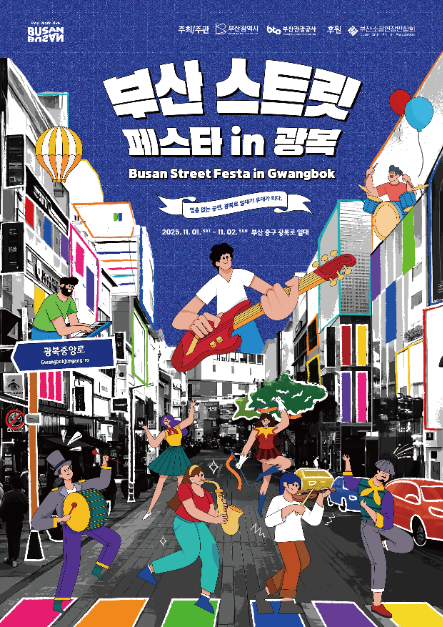
⊙ Busan Street Festa in Gwangbok (부산 스트릿 페스타 인 광복)
View detailed guide on Korea Trip Guide →
– Tel
+82-70-4808-2875
The Busan Street Festa in Gwangbok transforms everyday urban spaces into a festival stage through various programs such as music, dance, performance shows, local flea markets, and parades that unfold throughout the streets.
⊙ First Eye Clinic (퍼스트안과의원)
View detailed guide on Korea Trip Guide →
Good Ideas for Your Eyes First eye department for your eye health. There are many places where vision correction surgery is performed, such as LASIK and LASEK. However, there are few ophthalmologists that can properly treat eye diseases such as retinal, glaucoma, cataract, and childhood progressive myopia. First Eye Clinic has increased treatment safety and precision by utilizing university hospital-level advanced equipment by medical staff with extensive experience and know-how in surgery for severe eye diseases.
⊙ Yongdusan Park (용두산공원)
View detailed guide on Korea Trip Guide →
– Homepage
bisco.or.kr/yongdusanpark
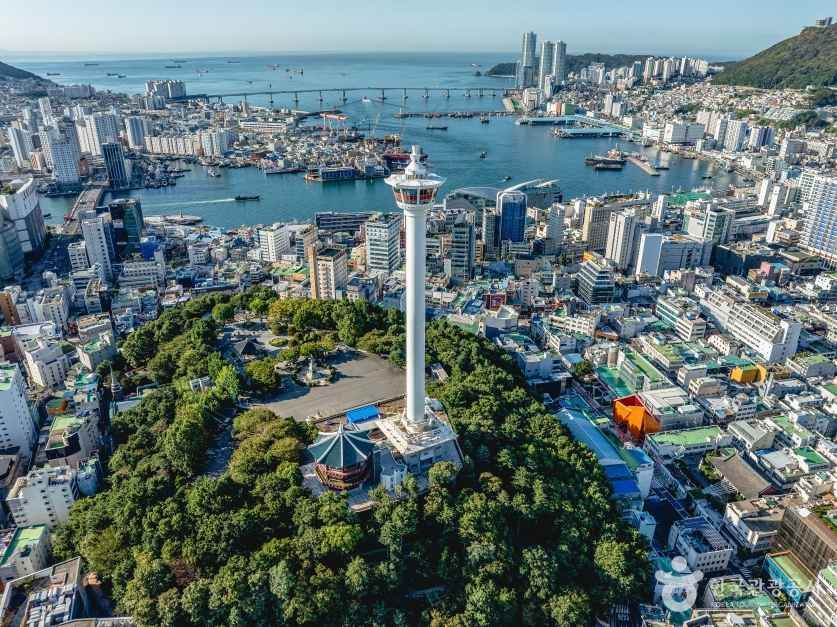
Situated at the heart of Busan, Yongdusan Park is famous for its escalators, which connect the Nampo-dong area with the park. The park has a great view of the Busan Port and the Yeongdo area. Notable sights in the area include the Busan Tower, the Statue of Admiral Yi Sunsin, a bell pavilion, a flower clock, and a sculpture of a dragon. The observatory on the Busan Tower offers an expansive view of Busan’s city center, the Busan Port, and the South Port at the distance. The view of the city at night is also not to be missed. Nearby tourist sites include many of Busan’s famous sights, from Gwangbok-dong Cultural & Fashion Street to Jagalchi and Gukje Markets.
⊙ KANGKANGEE Arts Village (깡깡이 예술마을)
View detailed guide on Korea Trip Guide →
– Homepage
kangkangee.com
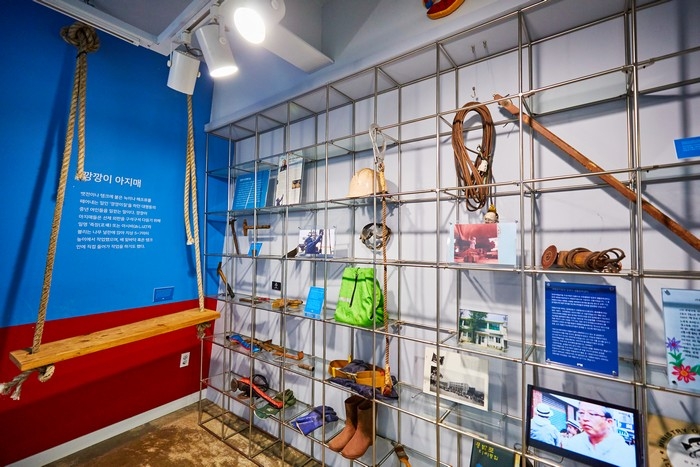
In the late 19th century, Korea’s first modern shipyard was established, and there are still more than a dozen repair shipyards and about 200 industrial companies in the area. It is said that the name of the village was born from the sound of a hammer hitting the surface of a rusty boat. In “My Name,” it appeared as Inchang-si, the main stage of gangsters, and the unique atmosphere harmonized well with the content, adding to the dramatic fun. There are also many cute cafes to explore, and it is fun to experience a tour program that runs three times a day on weekends.
⊙ Busan Tower (부산타워)
View detailed guide on Korea Trip Guide →
– Homepage
www.bisco.or.kr
Busan Tower, standing at 120 meters tall, is an iconic observation tower situated in Busan’s Yongdusan Park. This tower offers visitors panoramic views of Busan Port and Yeongdo Island. A highlight is the nightly fireworks mapping show, where graphical displays are projected onto the windows, creating a mesmerizing backdrop against the colorful night view of Busan Port Bridge. The lower floor of the tower is a haven of amusement, themed around a flying submarine. On the second floor, visitors will find a photo zone and rooms decorated with themes representing famous travel destinations in Busan.
⊙ Busan Jung-gu Pet Festival (부산중구반려동물축제)
View detailed guide on Korea Trip Guide →
– Homepage
www.bsjunggu.go.kr
– Tel
+82-70-8893-2437
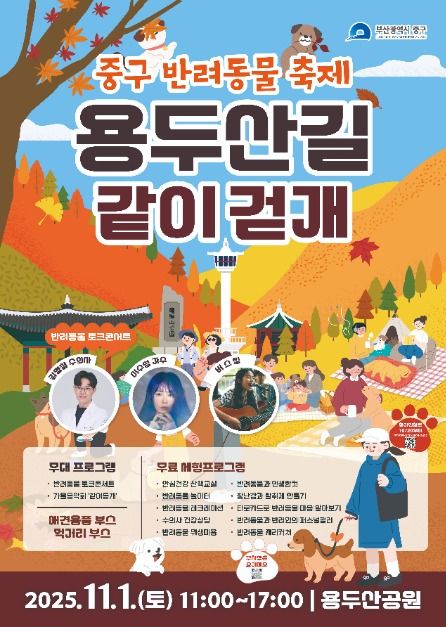
Busan Jung-gu Pet Festival is a pet cultural event featuring various programs such as walking programs, health consultations, and behavior training programs that pets and their owners can participate in together. The event aims to spread the culture of responsible pet ownership and revitalize the local pet industry.
⊙ Gukje Market Food Street (국제시장 먹자골목)
View detailed guide on Korea Trip Guide →
– Homepage
eng.gukjemarket.co.kr
Gukje Market Food Street has more than 60 years of history as one of Busan’s traditional markets’ most famous food streets. It is known for a number of dishes, such as Chungmu gimbap served with sweet and sour squid salad, sweet-and-spicy tteokbokki, milmyeon (wheat noodles), dwaeji gukbap (pork and rice soup), sundae, patbingsu (shaved ice with red beans), and Busan’s iconic bibim dangmyeon (spicy glass noodles). These dishes are enjoyed on small stools next to the street stalls. The sight of the diners lining the stall is one of the defining views of traditional markets in Korea. Visitors can also find suitable clothing, shoes, and accessories here.
![Coach – Shinsegae Department Store Centum City Branch [Tax Refund Shop] (코치 신세계백화점 센텀시티점)](https://ktrip.blogsailing.com/wp-content/uploads/2026/07/4019297_image2_1.jpg)
![Salomon – Shinsegae Department Store Centum City Branch [Tax Refund Shop] (살로몬 신세계백화점 센텀시티점)](https://ktrip.blogsailing.com/wp-content/uploads/2026/07/4044085_image2_1.jpg)
](https://ktrip.blogsailing.com/wp-content/uploads/2026/07/4045886_image2_1.jpg)
](https://ktrip.blogsailing.com/wp-content/uploads/2026/07/4024043_image2_1.jpg)
](https://ktrip.blogsailing.com/wp-content/uploads/2026/07/4023817_image2_1.jpg)
One Comment