Jeonju Nambu Market (전주 남부시장)
Jeonju Nambu Market (전주 남부시장)
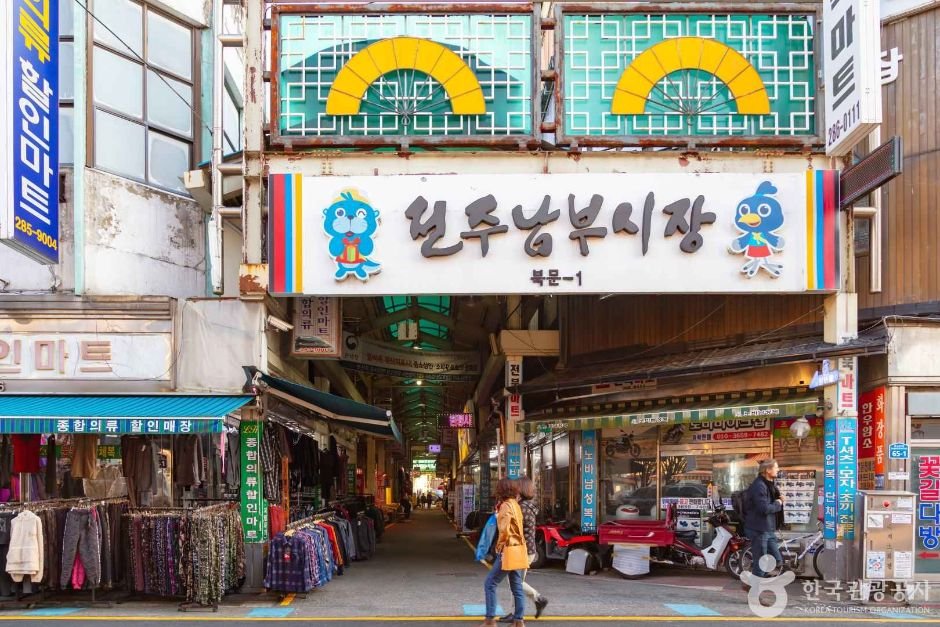
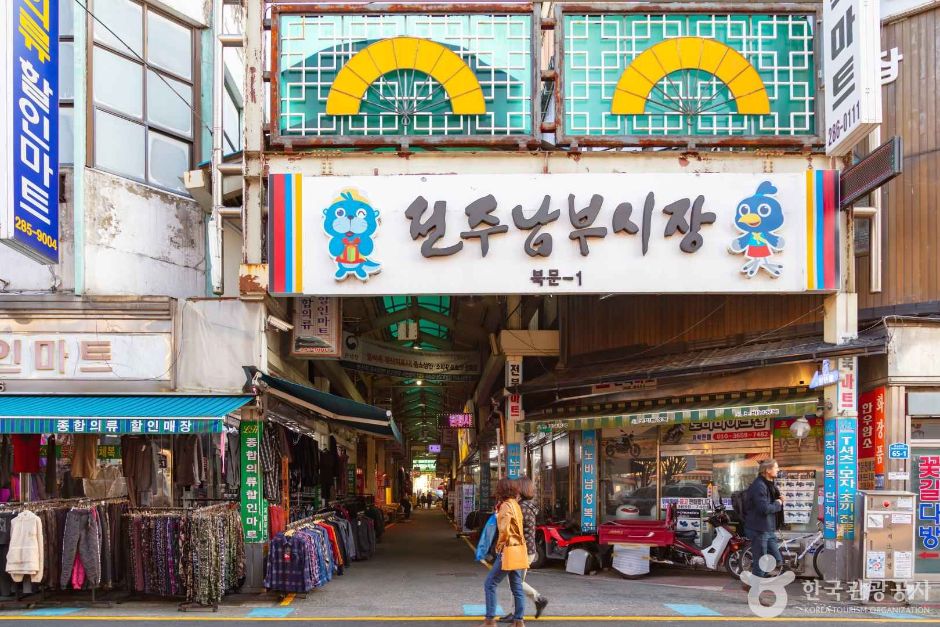 The history of Nambu Market dates back to the early Joseon dynasty, starting out as the Nammunbakk Market. It was established as a regular public market in 1905, after which the name Nambu Market began to be used. Nambu Market features approximately 800 shops, with major items including silk fabrics, furniture, dried seafood, vegetables, fruits, and medicinal herbs. Currently, efforts by young people to revitalize the traditional market are breathing new life into Nambu Market. On the second floor of Building 6, which was once lined with empty shops, a youth mall resembling the atmosphere of Samcheong-dong and Hongdae in Seoul has opened. Additionally, the Night Market held every Friday and Saturday is famous for having many unique and distinctive snacks, with the traditional blood sausage set meal, savory mung bean pancakes, and bibimbap rolls being popular with both men and women.
– Address : 19-3 Pungnammun 1-gil, Wansan-gu, Jeonju-si, Jeonbuk-do
※ Presentation Information
– Information and Guides
+82-63-284-1344
– Opening Hours
09:30-23:00* Varies by store
– Day Off
Varies by store
– Parking
Available
– Restroom
Available
– Items for Sale
Fabric, furniture, dried fish, vetegables, fruits, medicinal herbs, etc.


◎ Nearby Tourism Infobox
⊙ Jeonju Pungnammun Gate (전주 풍남문)
View detailed guide on Korea Trip Guide →
– Homepage
tour.jb.go.kr: Visit site
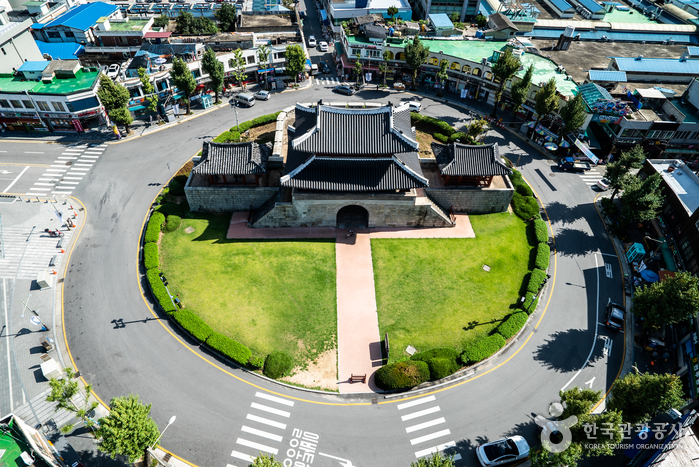
Pungnammun Gate was built during the Joseon dynasty in 1734 and is a designated Treasure. Pungnammun Gate was the southernmost gate among the four city gates of Jeonju. The structure was severely damaged by fire in 1767, followed by the restoration of the gate tower afterward. The gate was burnt down once again during the Imjin War and was restored to the gate that is seen today.
⊙ Jeonju Jeondong Catholic Cathedral (전주전동성당)
View detailed guide on Korea Trip Guide →
– Homepage
www.jeondong.or.kr: Visit site
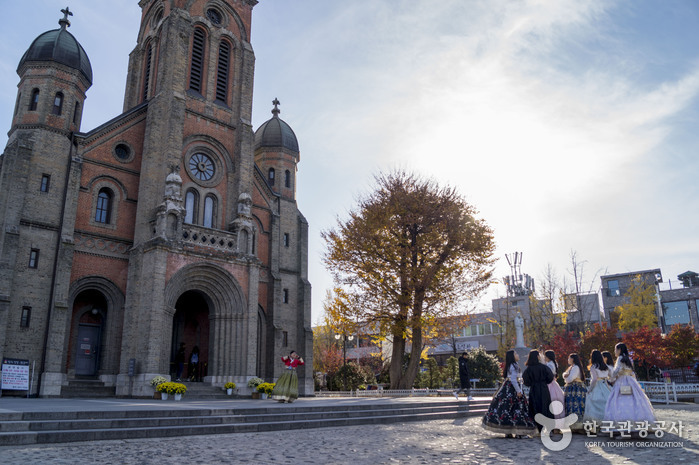
Jeondong Catholic Cathedral in Jeonju was built in honor of Roman Catholic martyrs of the Joseon dynasty on the very same spot the martyrs lost their lives. The land was purchased by French Priest Baudenet in 1891 (28th year of King Gojong), but construction of the church did not begin until 1908. Construction was completed in 1914, a time during which Korea was under Japanese rule. Though originally built just outside of Pungnammun Gate, the site of the martyrs, the church was later moved to its current location for expansion.
The first Romanesque building in the Honam region, Jeondong Catholic Cathedral is made of gray and red bricks and bears a striking resemblance to the Myeongdong Cathedral in Seoul, also designed by Priest Poinel. Not only considered one of the most beautiful Catholic churches in Korea, some even go so far as to say it is one of the most beautiful structures in all of Korea, citing the church’s unique combination of Byzantine and Romanesque architectural styles. The rectangular building is topped with three Byzantine bell towers (to the right, center, and left) and boasts arched ceilings, several of which meet in the form of a cross.
It is interesting to note that some of the bricks used in construction of the church were made using materials from the Jeonjueupseong Walled Town, which was torn down by the Japanese. It is also said that the cornerstone of the church came from a wall of Jeonjueupseong Walled Town near Pungnammun Gate.
⊙ Veteran Kalguksu (베테랑칼국수)
View detailed guide on Korea Trip Guide →
– Homepage
Visit site
Veteran Kalguksu, located in Jeonju Hanok Village, has been operating since 1977, attesting to the great taste of their broth, made using sesame, meal, and eggs. The noodles are also cut much thinner than other restaurants, while maintaining their chewy texture. Another popular menu at the restaurant is their kongguksu.
◎ Travel information to meet Hallyu’s charm
The restaurant was a favorite spot for the cast of the drama “Twenty Five Twenty One.” Lead actress Kim Tae-ri, who played Na Hee-do, even visited for breakfast during her vlog shoots. She drew attention for enthusiastically finishing a bowl of noodles down to the last strand. Nearby is the private rental house “2521,” which was featured as Hee-do’s home in the drama, making it worth visiting after enjoying a meal at the restaurant.
⊙ Han Kook Jib (한국집)
View detailed guide on Korea Trip Guide →
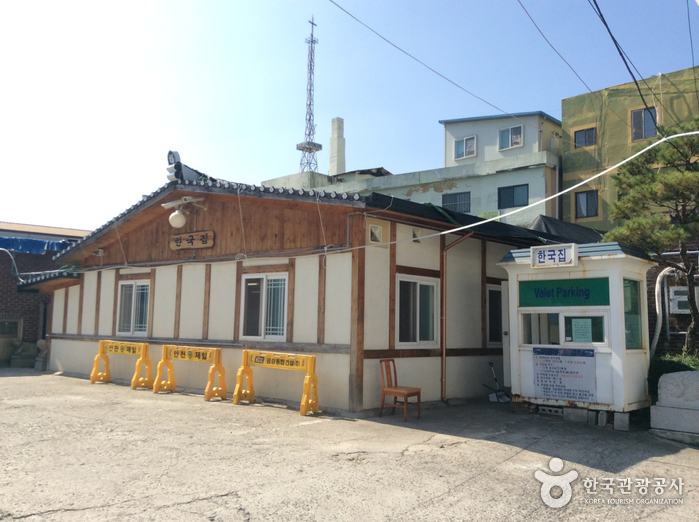
Opened in 1952, Han Kook Jib has upheld its tradition for three generations. It is housed in a renovated hanok with a beautiful courtyard. Han Kook Jib is conveniently located near major tourist sites in Jeonju, such as Jeonju Hanok Village and Gyeonggijeon Shrine.
⊙ Seohak Art Village Library (서학예술마을도서관)
View detailed guide on Korea Trip Guide →
– Homepage
tour.jeonju.go.kr: Visit site
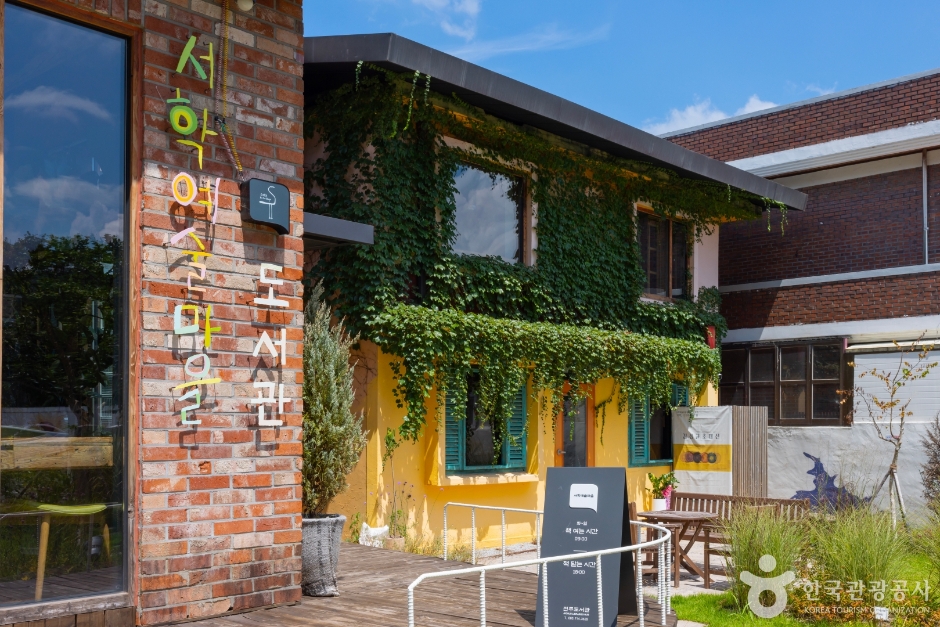
Seohak Art Village Library opened June 2022 in Jeonju, Jeollabuk-do. The library consists of nearly 1,000 books, making it rather small. However, the library makes up for its size with pretty decorations, making visitors want to stay longer. The library is located in an old building that was previously a cafe and gallery, so the library feels more like a book cafe.
⊙ Jeonju Crafts Exhibition Hall (전주공예품전시관)
View detailed guide on Korea Trip Guide →
– Homepage
www.jeonjucraft.or.kr: Visit site
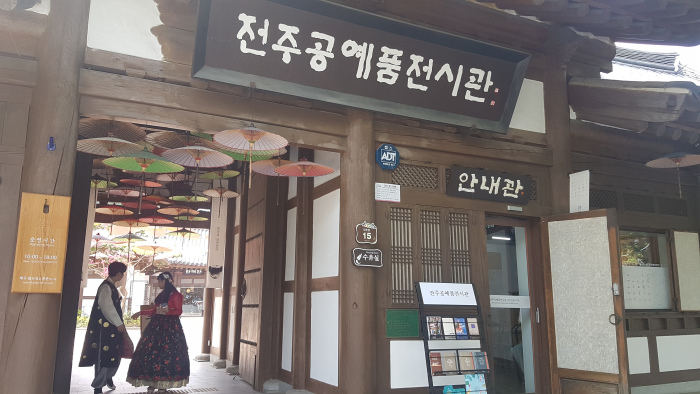
Jeonju Crafts Exhibition Hall promotes the beauty of traditional Korean crafts, and is made up of a Craft Hall, Special Exhibition Hall, and Experience Hall, Visitors can see traditional art works from master artisans as well as creative works from up-and-coming artists and designers. Visitors can also create their own handcrafted items in one of their many programs.
⊙ Namcheongyo Bridge Cheongyeonru (남천교 청연루)
View detailed guide on Korea Trip Guide →
– Homepage
tour.jeonju.go.kr: Visit site
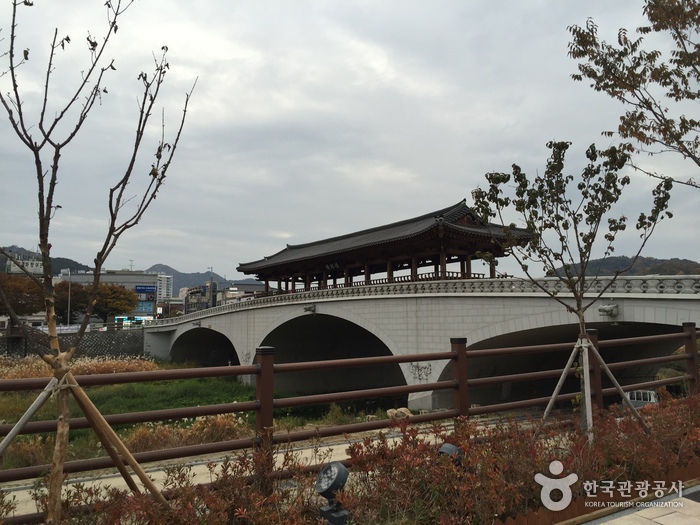
Namcheongyo Bridge is the main bridge to the entrance of Jeonju Hanok Village. Through “Jeonju Namcheongyo Luxury Project,” the area went through renovation strengthening infrastructure and adding Cheongyeonru Pavilion to the bridge. Visitors can enjoy a panoramic view of the area from the hanok pavilion or rest from the heat.
⊙ Jeonju Waengi Kongmulgukbap Specialty Restaurant (전주 왱이콩나물국밥전문점)
View detailed guide on Korea Trip Guide →
Jeonju Waengi Kongmulgukbap Restaurant, located next to Dongmun Art Street in Jeonju, is a local favorite. The restaurant serves only one dish, kongnamul gukbap, rice soup with bean sprouts. With the crunchy texture of bean sprouts and a rich broth made with anchovy and seafood, this hearty meal is perfect to enjoy after exploring nearby tourist attractions.
⊙ Gaeksa-gil (객사길)
View detailed guide on Korea Trip Guide →
– Homepage
our.jeonju.go.kr: Visit site
Gaeksa, which was installed in every town during the Goryeo and Joseon periods, was a type of accommodation where foreign envoys or government officials from other regions stayed. Gaeksa can still be seen today in downtown Jeonju and there’s a “Gaeksa-gil Street” at the main street of the old city center. The street features countless roadside shops and franchise restaurants so both Jeonju locals and tourists frequently visit the area. Also, Jeonju Gaeksa-gil is where the Jeonju International Film Festival is held every year. Considered as one of the three main Korean film festivals, the Jeonju International Film Festival primarily presents independent films and has discovered many hit movies and new actors. On one side of Gaeksa-gil, you can also find Jeonju Cine Complex and several movie theaters, which is why it is called the “Film Street.” In the back of the Film Street, restaurants, cafes and clothing shops attract movie fans to form so-called “Gaengnidan-gil.”
⊙ Jeonju Pungpaejigwan Guesthouse (전주 풍패지관 (전주객사))
View detailed guide on Korea Trip Guide →
– Homepage
www.heritage.go.kr: Visit site
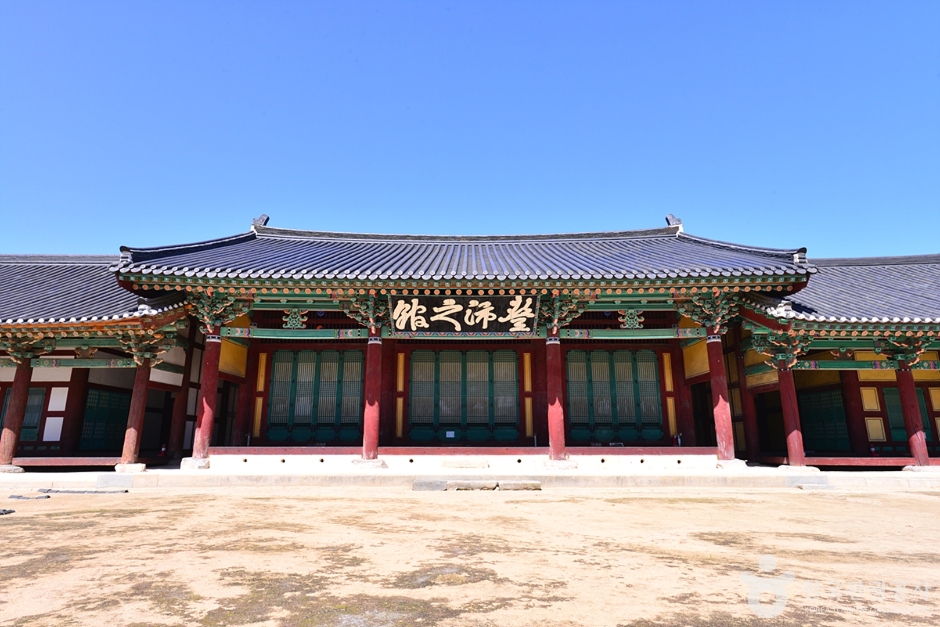
During the Joseon dynasty, officials and envoys visiting Jeonju stayed here. Today, it is open for anyone to see. The long and spacious maru (wooden central space) is open to the public, making it a comfortable resting place for citizens and tourists. Located in downtown Jeonju, it is easy to find and close to Jeonju Hanok Village.


One Comment