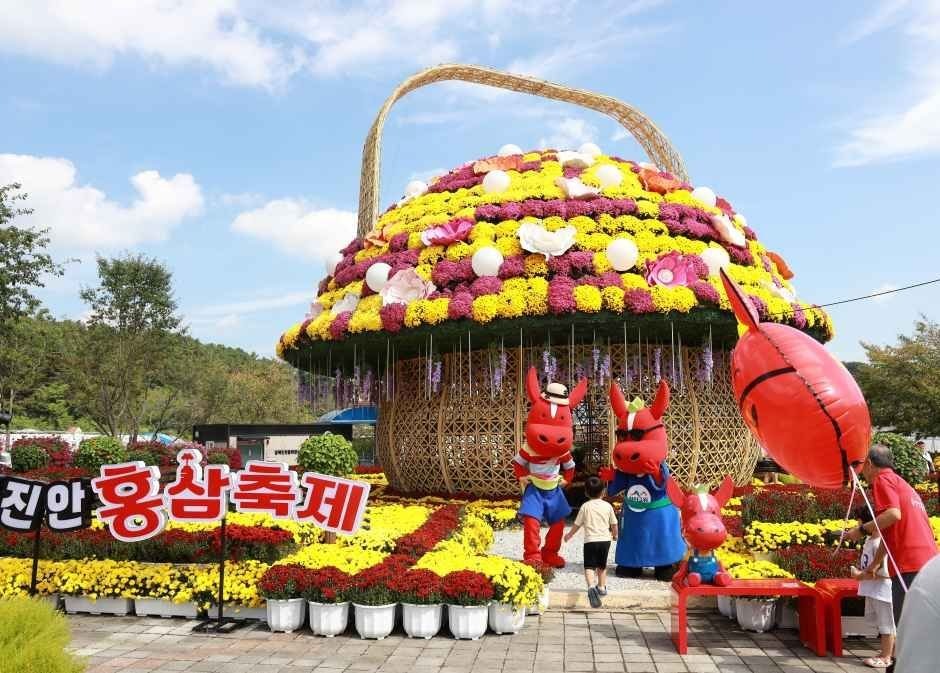
Jinan Red Ginseng Festival (진안홍삼축제)
Jinan Red Ginseng Festival (진안홍삼축제)
 – Homepage
www.jinan.go.kr/festival/: Visit site
– Tel
+82-63-430-2392
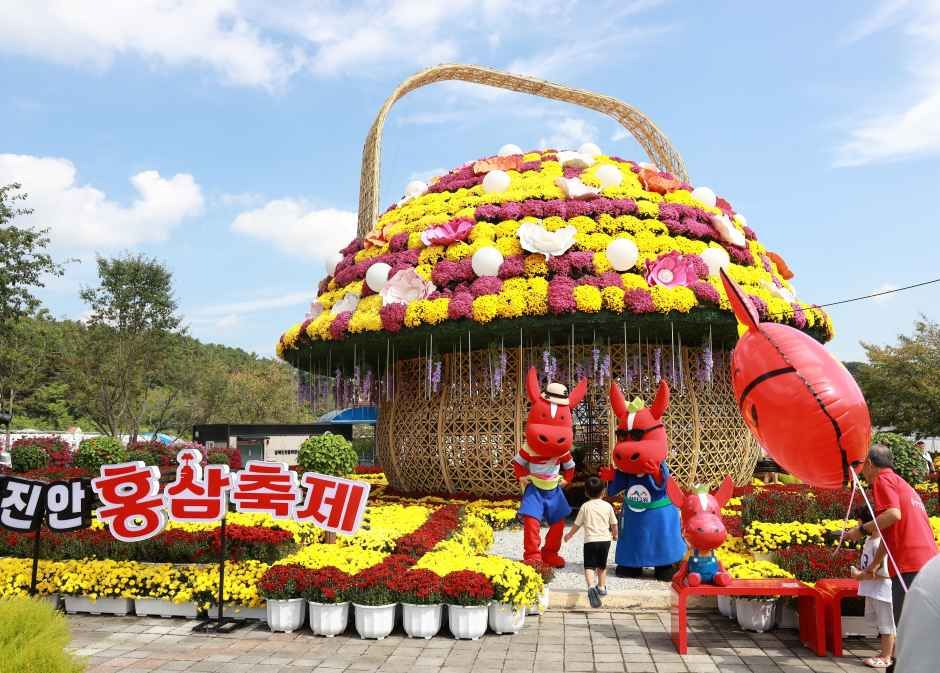
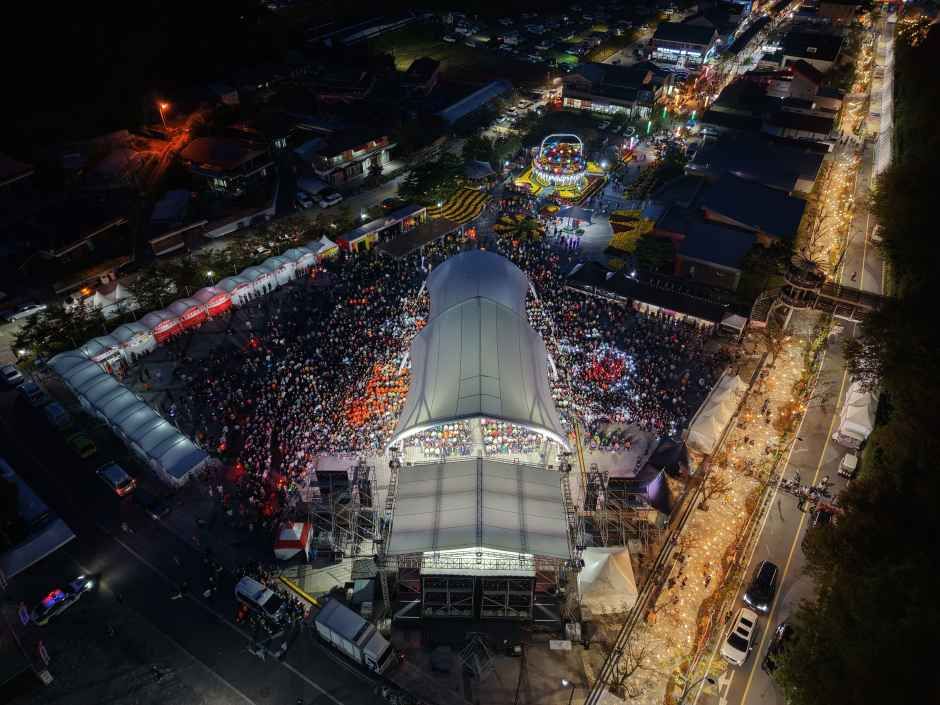
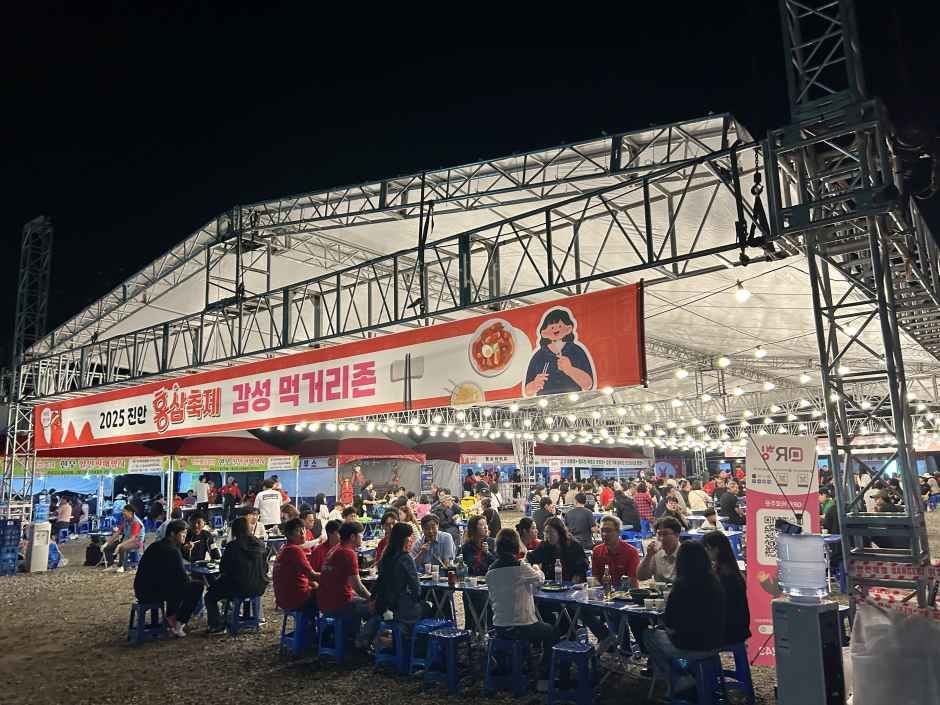
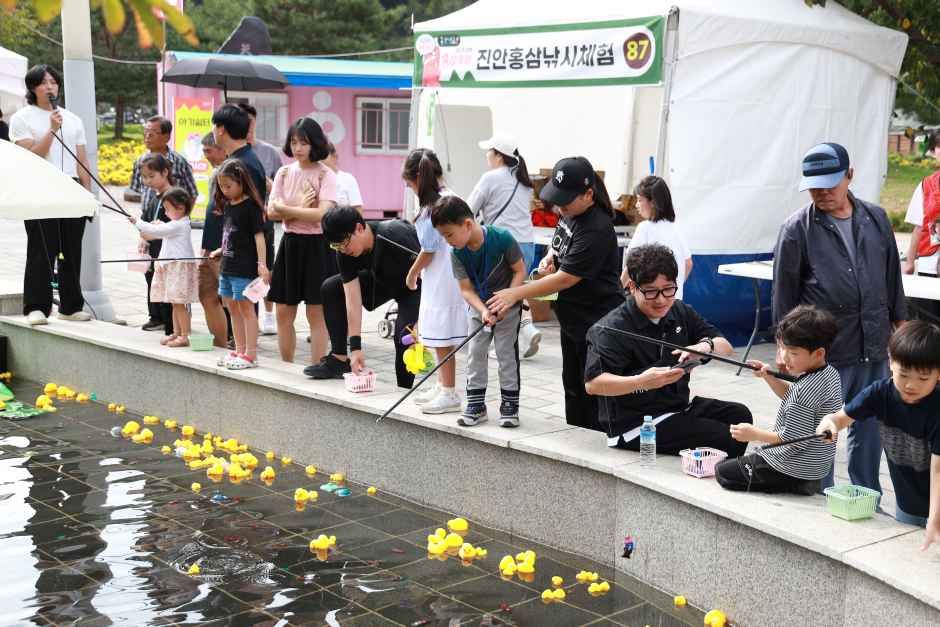
Held in Jinan-gun, Korea’s only designated red ginseng special zone, the Jinan Red Ginseng Festival is a signature fall event where visitors can enjoy both healthy local specialties and festive fun. Jinan red ginseng, known for its rich aroma and high quality, can be sampled throughout the festival, alongside a variety of unique foods and hands-on activities that make red ginseng more approachable and enjoyable for visitors of all ages.
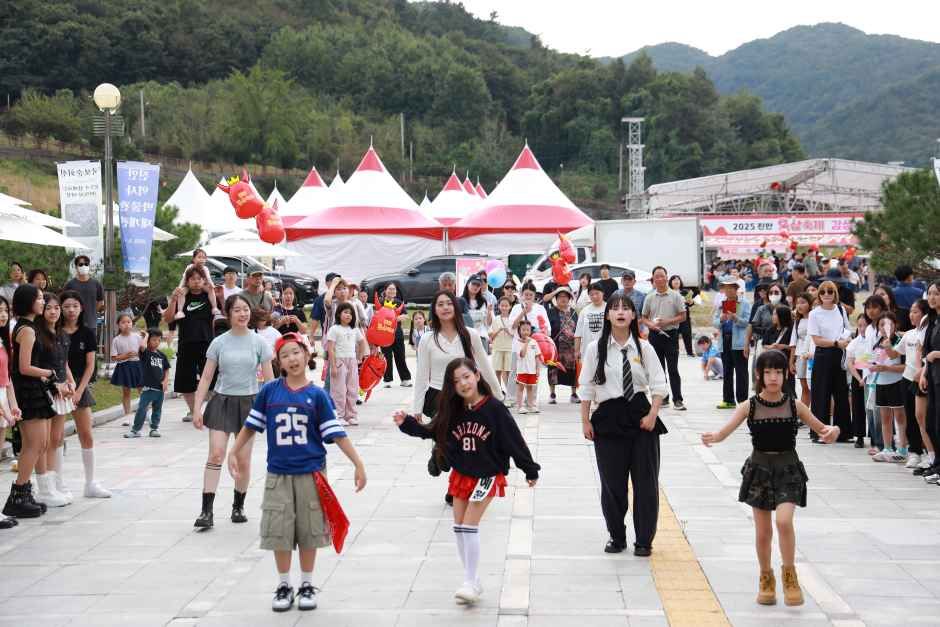
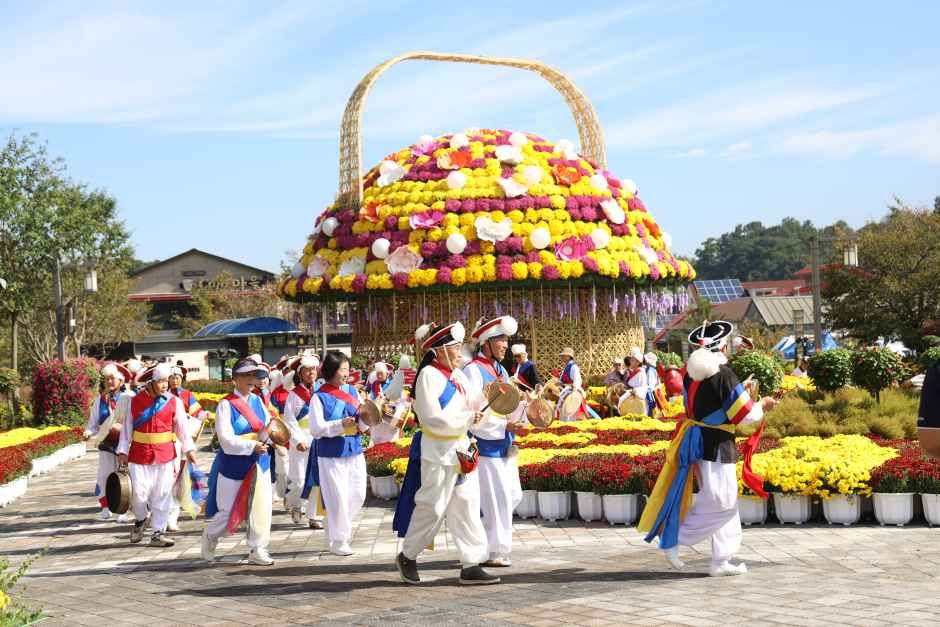
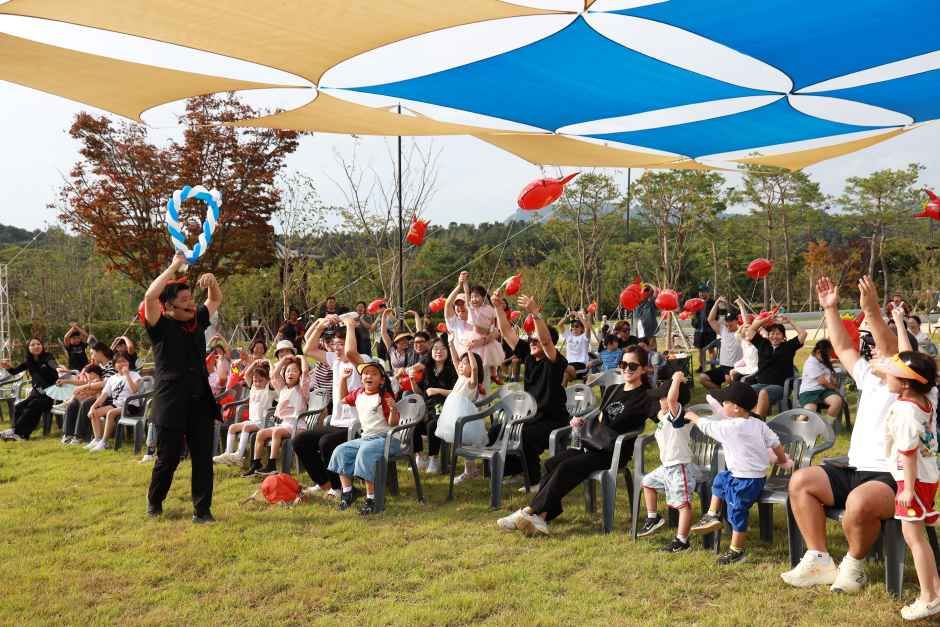
Highlights include Red Ginseng Bingo, Red Ginseng Power Zone, Red Ginseng Barbecue, and an Outdoor Foot Bath Experience, as well as plenty of unique interactive programs found only at the festival. Traditional performances, guest singer concerts, and a variety of stage events add to the lively atmosphere. Visitors can also shop for Jinan red ginseng products certified under strict quality standards at reasonable prices. With healthy local foods, unique experiences, and plenty of entertainment, the festival offers a memorable way to enjoy fall in Jinan.
– Address : 160, Maisan-ro, Jinan-eup, Jinan-gun, Jeonbuk-do
※ Presentation Information
– Event Date
20260918 ~ 20260920
– Schedule
10:00-21:00
– Location
Northern region of Maisan Mountain
– Program
Jinan Red Ginseng Master Class, Red Ginseng Feast, Red Ginseng Wellness Time (Yoga & Meditation), Red Ginseng Kkakdugi Making, Red Ginseng Tteokbokki Giveaway (Dookki Tteokbokki), Red Ginseng Energy Boost (Stamp Tour), Visits to the Samsam Theme Hall, Red Ginseng Power Zone, Special Exhibition at the Museum of World Scissors, and Visit Jinan Year Promotional Booth with Events Participation, and Follow Jinan-gun on Social Media
– Sponsor
Jinan-gun
– Sponsor Phone
+82-63-430-2392
– Co-Sponsor
Jinan Red Ginseng Festival Promotion Committee
– Fees
Free (fees vary by programs)


◎ Nearby Tourism Infobox
⊙ Maisan Hwaeomgul Cave (마이산 화엄굴)
View detailed guide on Korea Trip Guide →
– Homepage
tour.jinan.go.kr (Korean only): Visit site
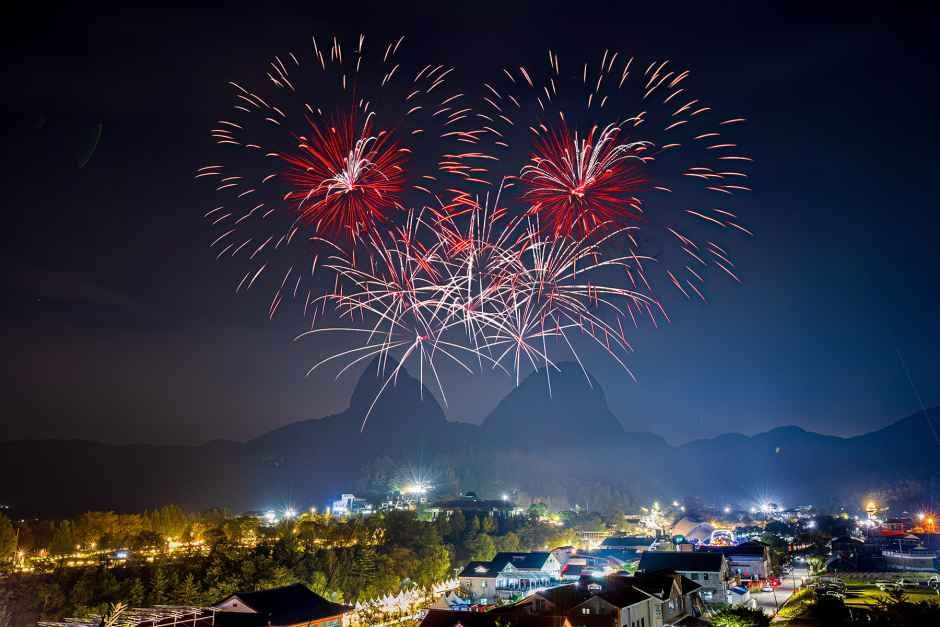
Maisan Mountain has two major peaks made of sedimentary rocks; these peaks are said to be ‘couple peaks’ and cannot be found anywhere else. Sut Maibong (alt. 667 meters) is said to be the male peak while the slightly larger Am Maibong (alt. 673 meters) is deemed the female peak. In the early Joseon period the mountain was named ‘Sokgeumsan,’ but began to be called ‘Maisan’ after the 12th year of King Taejong, who commented that the two peaks resembled horse ears (‘maisan’ meaning ‘horse ears’). All along Maisan Mountain, visitors will find small crater-like rock cavities that are formed by prolonged weathering. These unique geological features, called ‘tafoni,’ are of great academic value.
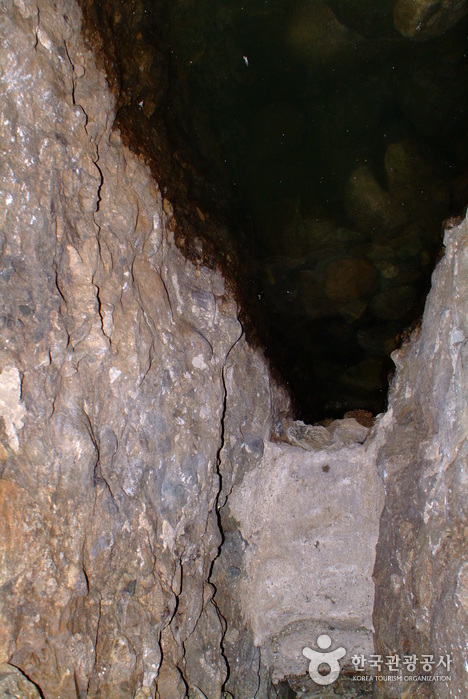
Inside Hwaeomgul Cave, visitors can observe medicinal water that flows up from underground all throughout the year. It is widely believed that once you drink the water, especially on the days of the Spring and Autumn Equinox, you will soon have a son and be blessed by the mountain spirit. Even today, many women who have difficulty conceiving visit the mountain to pray to the mountain spirits for their heart’s desire—the gift of a child. The region in which Maisan is located is the birthplace of many talented people and national heroes, which some say is proof of the blessings of the mountain and its extremely powerful spirit.
⊙ Maisan Mountain Tafoni Terrain (마이산 타포니지형)
View detailed guide on Korea Trip Guide →
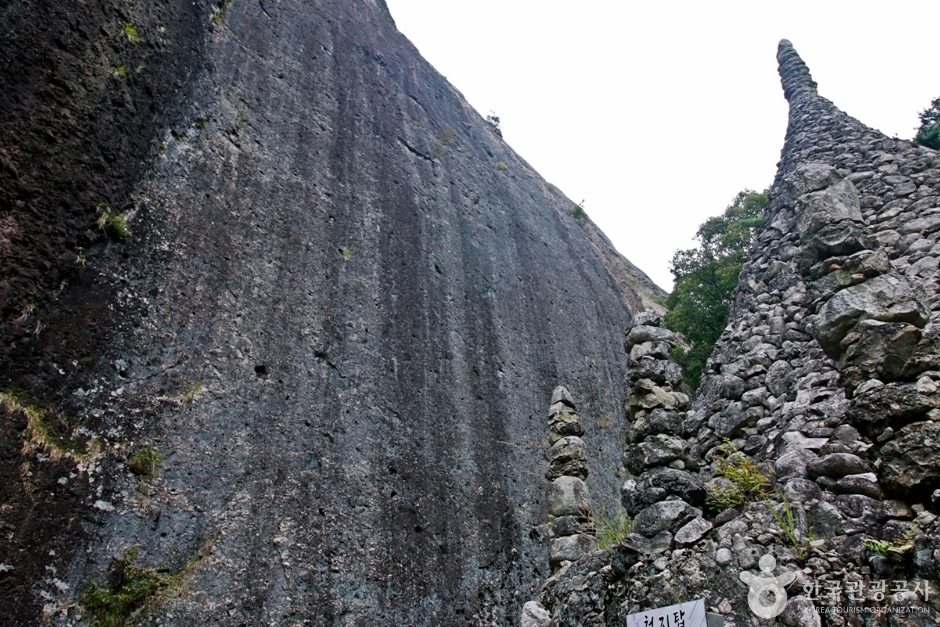
Tafoni terrain refer to clusters of small caves resembling bombarded peaks. On the southern slope of Ammaibong Peak in Maisan Mountain, various-shaped honeycomb caves are widely spread out. These formations are believed to have been formed during the 4th Ice Age and subsequently shaped by frost action. Such caves are commonly found along coastlines.
⊙ Tapsa Temple (마이산 탑사)
View detailed guide on Korea Trip Guide →
– Homepage
마이산탑사 maisan.jinan.go.kr (Korean only): Visit site
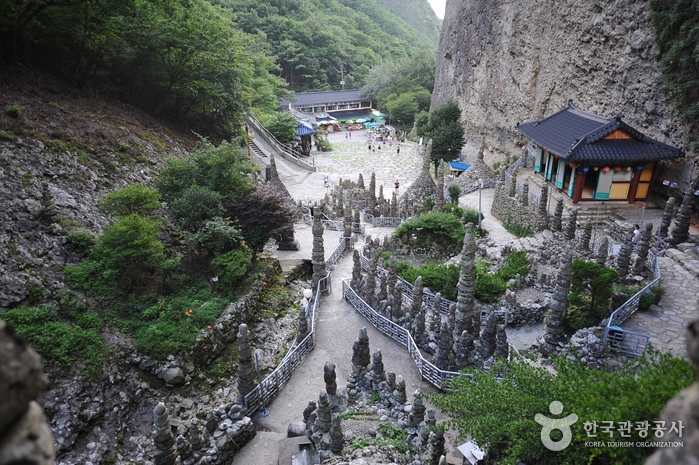
Tapsa Temple is famous for its over 80 stone pagodas. Each pagoda has a name, meaning and role. The pagodas are made of natural stone. They range in x_height from 1 meter to 13.5 meters and in shape from conical to straight. Two twin pagodas behind Daeungjeonhall are the tallest, standing three times the x_height of an average adult.
![Dojeong [Korea Quality] / 도정서원 [한국관광 품질인증]](https://ktrip.blogsailing.com/wp-content/uploads/2025/12/3037058_image2_1.jpg)
![Lotte Mart – Gimcheon Branch [Tax Refund Shop] (롯데마트 김천점)](https://ktrip.blogsailing.com/wp-content/uploads/2025/12/2883793_image2_1.jpg)