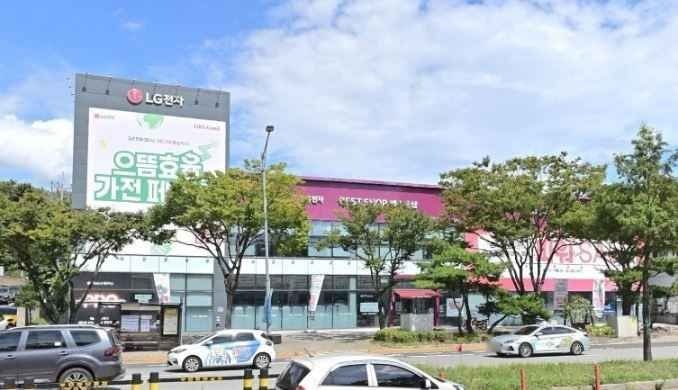
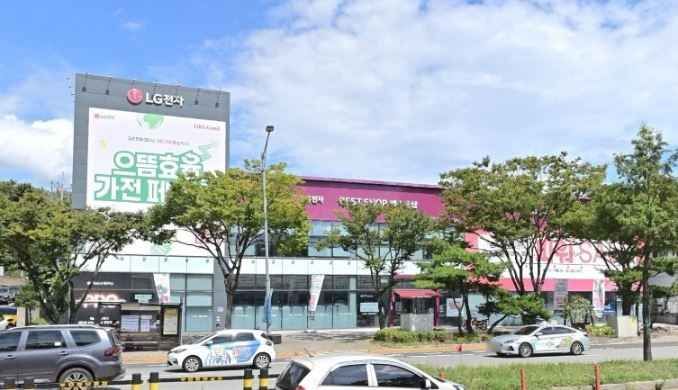
LG Best Shop Dongdaejeon Main Branch[Tax Refund Shop](LG전자 베스트샵 동대전본점)
LG Best Shop Dongdaejeon Main Branch[Tax Refund Shop](LG전자 베스트샵 동대전본점)
 – Homepage
bestshop.lge.co.kr
LG Best Shop is a specialty retail store exclusively showcasing LG Electronics products. Shoppers can explore the latest home appliances and IT devices in one place, with expert guidance that makes key features easy to understand.
– Address : 1269, Hanbat-daero, Dong-gu, Daejeon
※ Presentation Information
– Fair Day
Monday – Sunday
– Information and Guides
042-716-0011
– Opening Hours
11:00~20:30
– Day Off
Seollal (Lunar New Year’s Day) & Chuseok (Korean Thanksgiving Day) holidays
– Parking
Available
– Restroom
Available
– Items for Sale
Electronic / digital products
◎ Nearby Tourism Infobox
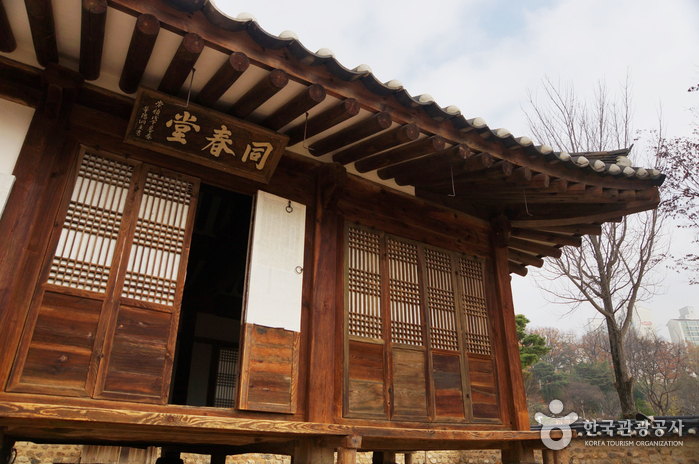
⊙ Daejeon Hoedeok Dongchundang Park (대전 회덕 동춘당 공원)
View detailed guide on Korea Trip Guide →
– Homepage
www.cha.go.kr/
www.daedeok.go.kr
Dongchundang Park was once the residence of Song Jung-gil, a noted scholar during the Joseon dynasty. Dongchundang Residential Compound (Treasure) has kept some of its original features including its three ponds, pavilions, old swings, and the nameplate written by Uam Song Si-yeol in 1678 in honor of Song Jung-gil. Today, the park is the main venue of the annual Dongchundang Culture Festival along with other local festivals.
⊙ OC Kalguksu (오씨칼국수)
View detailed guide on Korea Trip Guide →
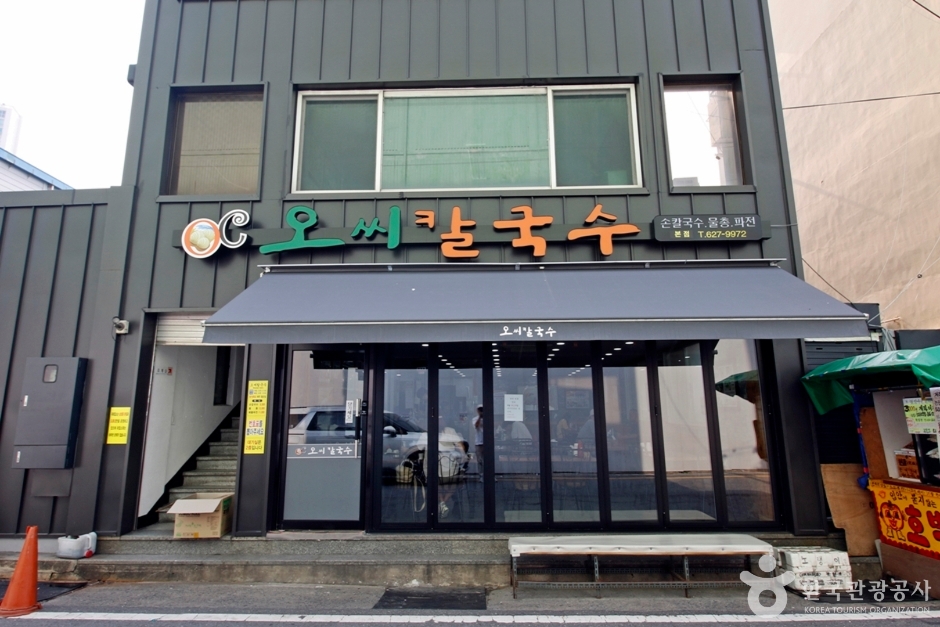
This is a specialty kalguksu restaurant known for its broth made with surf clams. When you order the mulchong, or dongjuk jogaetang (surf clam soup), you’ll be surprised by the generous amount of clams piled above the pot. The broth, made with anchovies and surf clams, is spiced to enhance its flavor, making it more flavorful and less plain.
⊙ Railway Residency Village (Sollangsiul-gil) (철도관사촌(솔랑시울길))
View detailed guide on Korea Trip Guide →
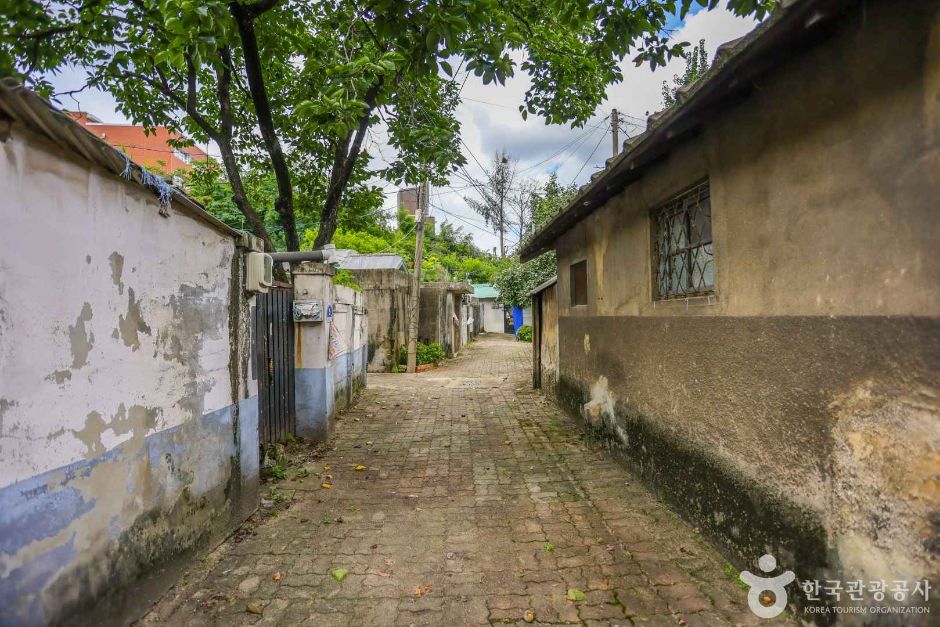
Railway Residency Village, located near Daejeon Station, retains much of its old charm, offering visitors the feeling of stepping back in time. Daejeon’s modern history is closely tied to the development of its railroads. With the opening of the Gyeongbu Line in 1905 and the Honam Line in 1911, the city emerged as a major transportation hub. As traditional villages began to disappear, people flocked to Daejeon, transforming it into a growing metropolis. During the Japanese occupation in the 1930s, the area housed many Japanese railway engineers, which is why Japanese-style architecture can still be found today. At the time, there were over 100 government buildings, though only about 40 have survived. Several of these have been recognized as Registered Cultural Properties for their historical significance. Among them, Building No. 42 now serves as a cultural space that occasionally hosts exhibitions. A stroll along the quiet Solangseoul-gil offers visitors a chance to admire charming murals adorning the walls, adding to the nostalgic atmosphere of the village.
](https://ktrip.blogsailing.com/wp-content/uploads/2026/06/4044523_image2_1.jpg)
![Olive Young – Daejeon City Hall Station Branch [Tax Refund Shop] (올리브영 대전시청역점)](https://ktrip.blogsailing.com/wp-content/uploads/2026/06/4028221_image2_1.jpg)
![Maje – Hyundai Premium Outlets Daejeon Branch [Tax Refund Shop] (마쥬 현대프리미엄아울렛 대전점)](https://ktrip.blogsailing.com/wp-content/uploads/2026/06/4044289_image2_1.jpg)
![SI Chloé – Galleria Department Store Timeworld Branch [Tax Refund Shop] (끌로에 갤러리아백화점 타임월드점)](https://ktrip.blogsailing.com/wp-content/uploads/2026/06/4044721_image2_1.jpg)
![Giordano – Hyundai Premium Outlets Daejeon Branch [Tax Refund Shop] (지오다노 현대프리미엄아울렛 대전점)](https://ktrip.blogsailing.com/wp-content/uploads/2026/06/4044279_image2_1.jpg)