Mungyeong Chasabal Festival (문경찻사발축제)
Mungyeong Chasabal Festival (문경찻사발축제)
 – Homepage
www.sabal21.com//: Visit site
– Tel
+82-54-571-7677
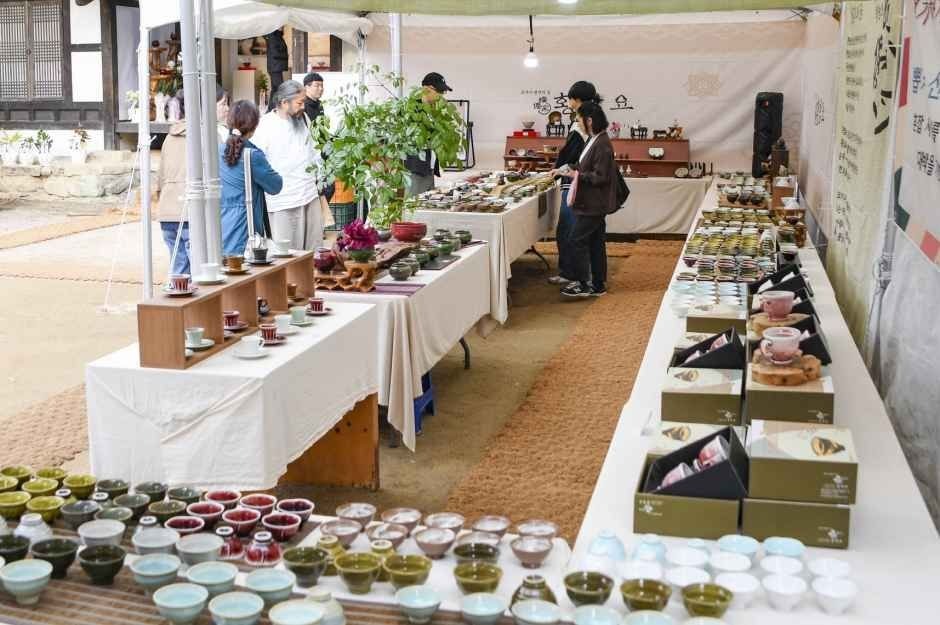
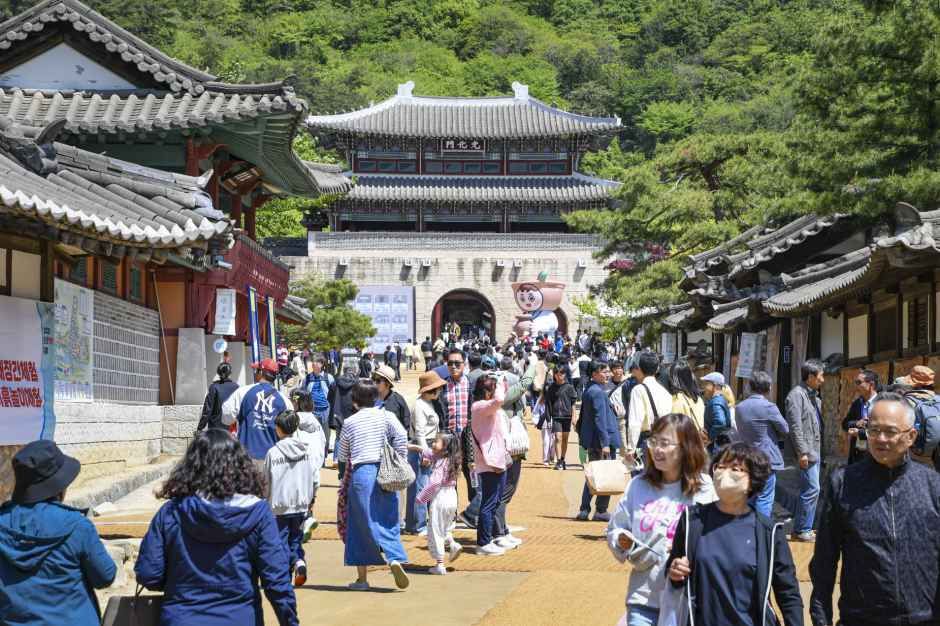
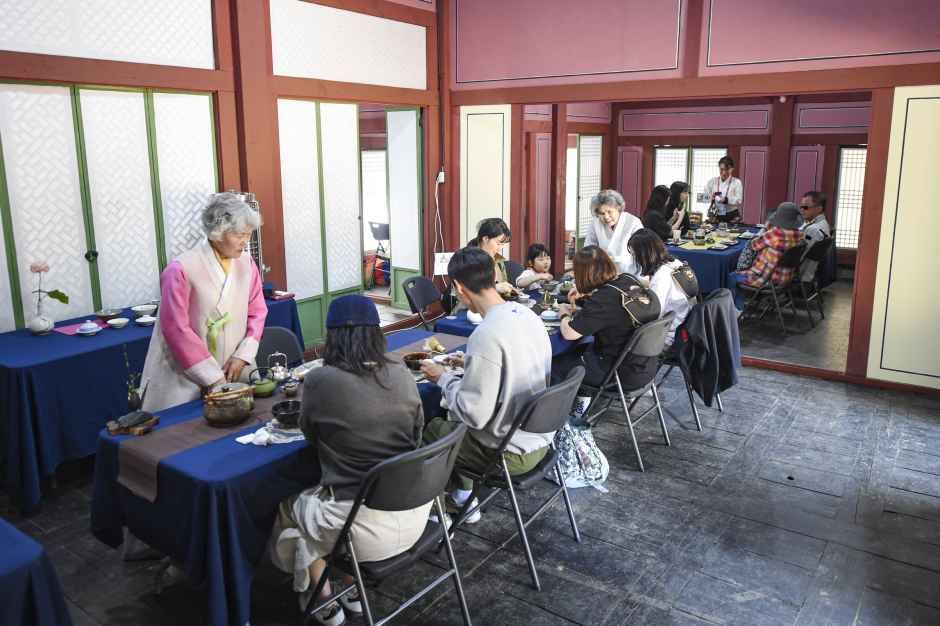
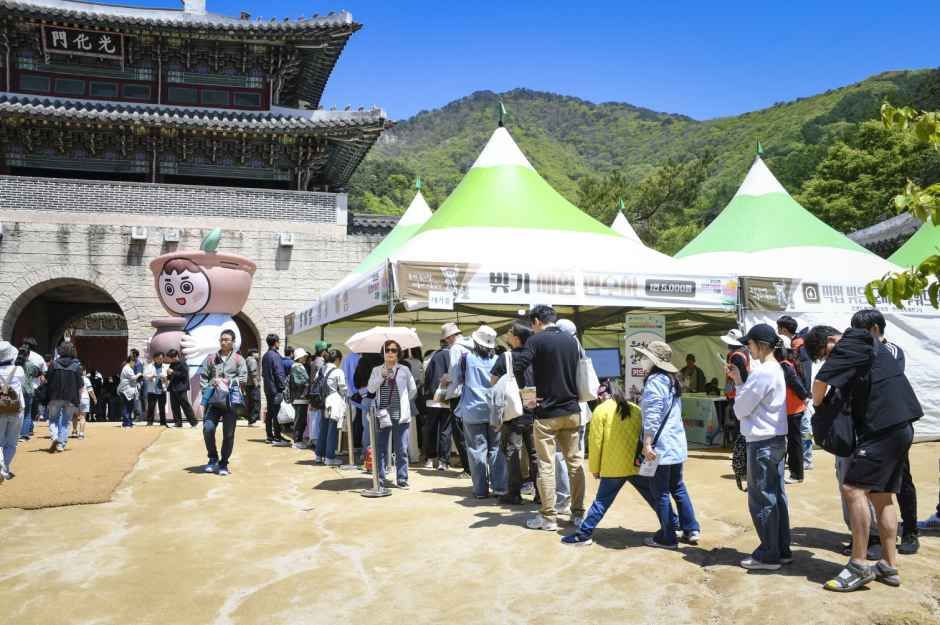
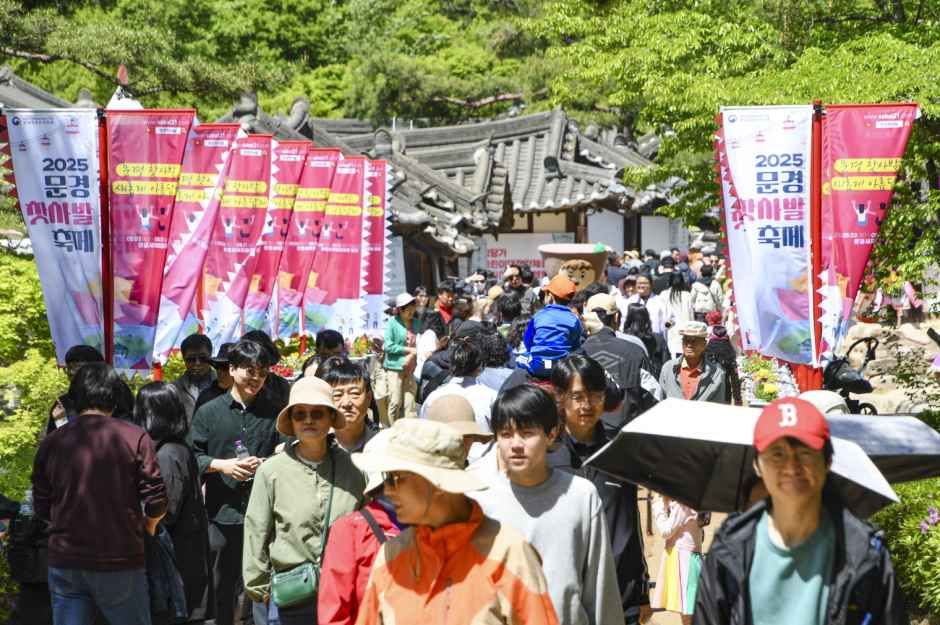
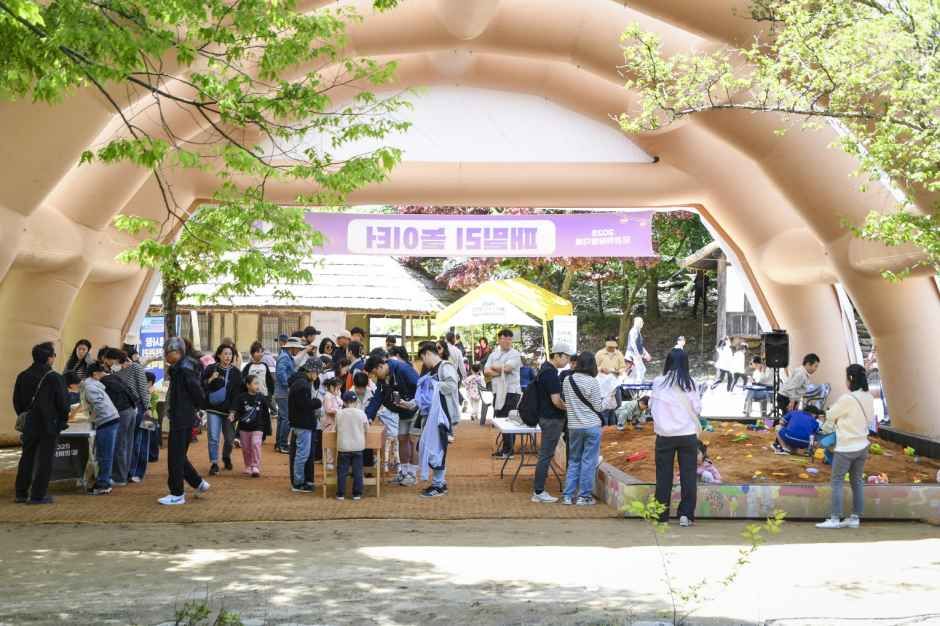
Celebrating its 28th edition, the 2026 Mungyeong Chasabal (Tea Bowl) Festival is one of Korea’s leading festivals, where deep-rooted tradition meets contemporary creativity. The festival will run for ten days from May 1 to 10, 2026, at the Mungyeongsaejae Open Set, surrounded by the area’s stunning natural scenery. Mungyeong ceramics are crafted in traditional wood-fired mangdaengi kilns and fired at temperatures exceeding 1,300°C. Rather than relying on elaborate decoration, they are known for their rustic, natural beauty. Chasabal tea bowls possess a quiet charm that brings a sense of calm to those who use them. This year’s festival will offer even more hands-on programs for Millennial and Gen Z visitors and families. With more opportunities to participate, stay, and explore, the festival continues to evolve into an immersive experience visitors can truly be part of.
– Address : 932, Saejae-ro, Mungyeong-eup, Mungyeong-si, Gyeongsangbuk-do
※ Presentation Information
– Event Date
20260501 ~ 20260510
– Schedule
09:00-18:00
– Location
Mungyeongsaejae Provincial Park
– Program
Opening Ceremony Performance, Chasabal Tea Bowl Making, Tea Ceremony Experience, K-Dokdo Promotional Pavilion, Traditional Games, Escape Room Mission
– Sponsor
Mungyeong Chasabal Festival Organizing Committee
– Sponsor Phone
+82-54-571-7677
– Co-Sponsor
Mungyeong Tourism Corporation
– Fees
Free (fees vary by programs)
◎ Nearby Tourism Infobox
⊙ Mungyeongsaejae Open Set (문경새재 오픈세트장)
View detailed guide on Korea Trip Guide →
– Homepage
www.gbmg.go.kr/tour (Korean only): Visit site
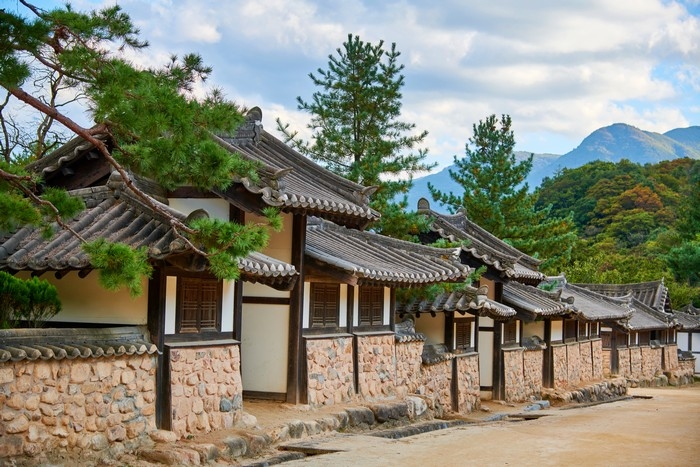
Mungyeongsaejae Open Set has been used for a variety of historical publications, including “Taejo Wang Geon (2000),” “Dae Jo Yeong (2006),” “Sungkyunkwan Scandal (2010),” “Moon Embracing the Sun (2012),” “Jeon Woo-chi (2012),” and “Masquerade (2012).” In 2008, the Goryeo Dynasty set was dismantled and redesigned into a Joseon-era set. Visitors can get a glimpse of life in the past through the replica houses and various structures throughout the open set.
⊙ Mungyeongsaejae Open Set (문경새재 오픈세트장)
View detailed guide on Korea Trip Guide →
– Homepage
www.gbmg.go.kr: Visit site
This open set is a filming location for popular historical dramas such as “Kingdom (2019),” “The Red Sleeve (2021),” and “The Moon Embracing the Sun (2012),” and is connected to Mungyeong Provincial Park. One of the most famous spots is the Gwanghwamun Set, which vividly embodies Gwanghwamun Gate. The set has various settings such as a hanok village, downtown area, and a common people’s village, spread over a large site, making visitors feel as if they have traveled back in time to the Joseon dynasty.
⊙ Mungyeongsaejae Provincial Park (문경새재도립공원)
View detailed guide on Korea Trip Guide →
– Homepage
www.gbmg.go.kr: Visit site
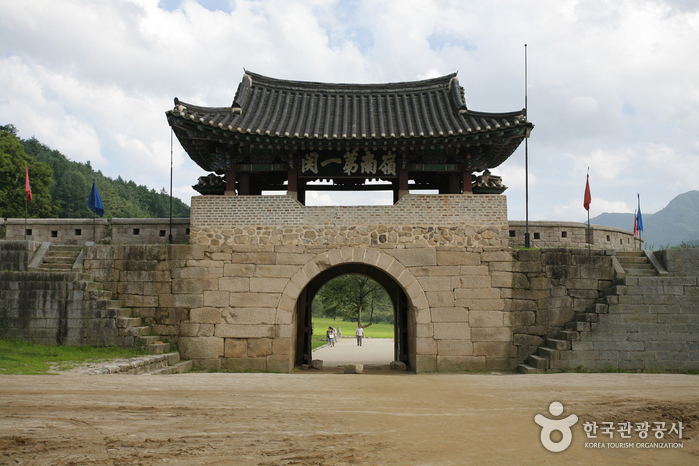
Mungyeongsaejae Pass, which crosses Joryeongsan Mountain, has always been the highest and most dangerous mountain pass in Korea, being reputed to be too tall for even birds to fly over. The three gates of Juheulgwan, Jogokgwan, and Joryeonggwan were built for national defense after the Imjin War (1592-1598). These three gates are designated collectively as Historic Site No. 147. The area between the three gates was designated a provincial park in 1981. The path from the first gate to the last passes through beautiful forests and takes roughly four hours round-trip. Also located within the park boundaries is Mungyeongsaejae Open Set, used for filming historical dramas.
⊙ Museum of Old Roads (옛길박물관)
View detailed guide on Korea Trip Guide →
– Homepage
www.gbmg.go.kr: Visit site
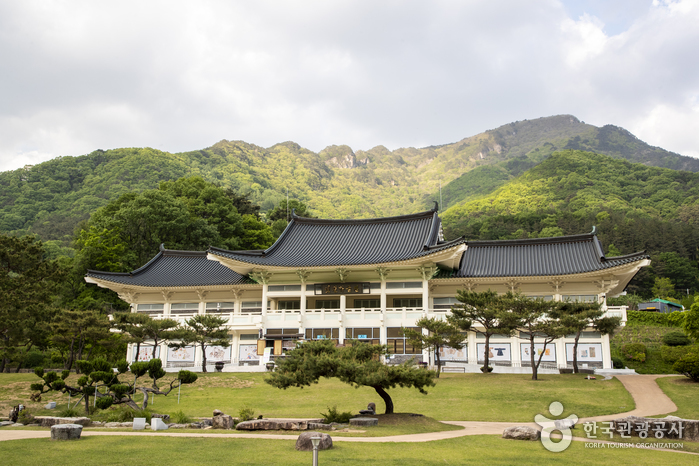
The Museum of Old Roads offers the history of traditional roads and routes in Korea. In the past, Mungyeongsaejae was a transportation hub for the people of Korea, particularly during the Joseon Period. Mungyeongsaejae is home to Haneuljae (one of the oldest roads in Korea, first established in 156 AD), Tokkibiri (a famous trade route), and Yugok Station (a transport hub in the Yeongnam area).
Even though the importance of the roads as travel routes has diminished over time, they continue to increase in cultural significance, conveying the area’s rich traditional heritage to visitors. The Museum of Old Roads was opened in 2009 after having been remodeled from the Mungyeongsaejae Museum, which mainly dealt with local history.
![Today [Korea Quality]오늘[한국관광 품질인증]](https://ktrip.blogsailing.com/wp-content/uploads/2025/11/2948861_image2_1.jpg)
![Hottracks – Jeonju Branch [Tax Refund Shop] (핫트랙스 전주점)](https://ktrip.blogsailing.com/wp-content/uploads/2025/11/2886378_image2_1.jpg)