Mungyeong Saejae Bare-foot Walking Festival (오감만족 문경새재맨발페스티벌)
Mungyeong Saejae Bare-foot Walking Festival (오감만족 문경새재맨발페스티벌)
 – Homepage
www.instagram.com/dghankooki/: Visit site
– Tel
+82-53-755-5881
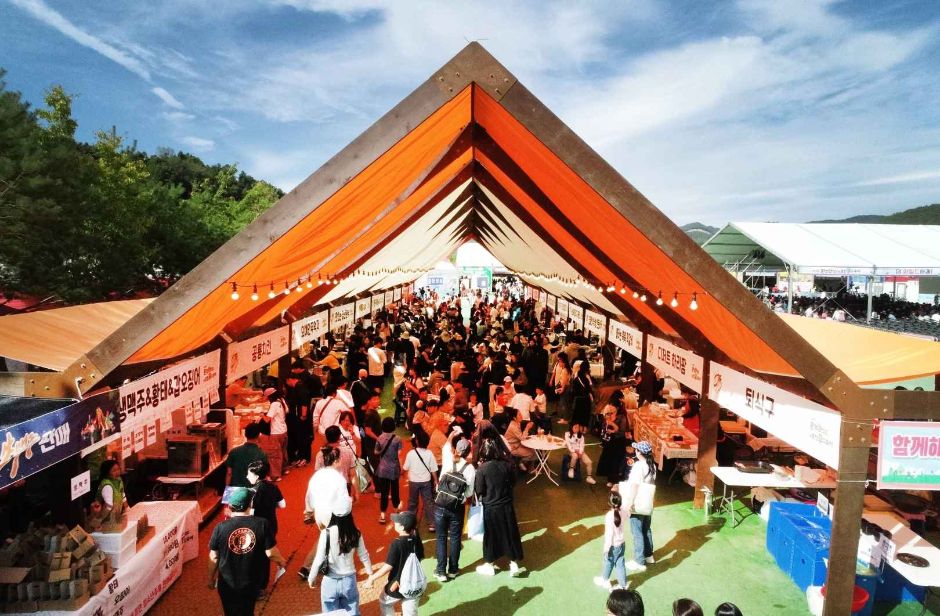
Mungyeong Saejae Bare-foot Walking Festival, held annually in Mungyeong, is a bare-foot walking festival covering approx. 7 kilometers. The festival hosts a variety of programs, including the main performance, various event booths, bare-foot-walking event, and a singing contest, allowing visitors to enjoy the festivities while keeping an eye on their health.
– Address : 932 Saejae-ro, Mungyeong-eup, Mungyeong-si, Gyeongsangbuk-do
※ Presentation Information
– Event Date
20260822 ~ 20260822
– Schedule
09:00-18:00
– Location
Area of Mungyeongsaejae Pass
– Sponsor
Hankook Ilbo, Daegu Hankook Ilbo, mPLUS Korea
– Sponsor Phone
+82-53-755-5881
– Co-Sponsor
Gyeongsangbuk-do, Mungyeong City, POSCO, etc.
– Fees
15,000 won
◎ Nearby Tourism Infobox
⊙ Mungyeongsaejae Open Set (문경새재 오픈세트장)
View detailed guide on Korea Trip Guide →
– Homepage
www.gbmg.go.kr/tour (Korean only): Visit site
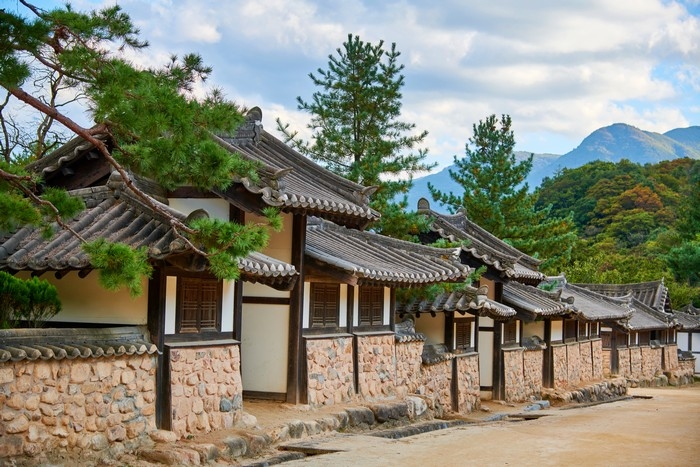
Mungyeongsaejae Open Set has been used for a variety of historical publications, including “Taejo Wang Geon (2000),” “Dae Jo Yeong (2006),” “Sungkyunkwan Scandal (2010),” “Moon Embracing the Sun (2012),” “Jeon Woo-chi (2012),” and “Masquerade (2012).” In 2008, the Goryeo Dynasty set was dismantled and redesigned into a Joseon-era set. Visitors can get a glimpse of life in the past through the replica houses and various structures throughout the open set.
⊙ Mungyeongsaejae Open Set (문경새재 오픈세트장)
View detailed guide on Korea Trip Guide →
– Homepage
www.gbmg.go.kr: Visit site
This open set is a filming location for popular historical dramas such as “Kingdom (2019),” “The Red Sleeve (2021),” and “The Moon Embracing the Sun (2012),” and is connected to Mungyeong Provincial Park. One of the most famous spots is the Gwanghwamun Set, which vividly embodies Gwanghwamun Gate. The set has various settings such as a hanok village, downtown area, and a common people’s village, spread over a large site, making visitors feel as if they have traveled back in time to the Joseon dynasty.
⊙ Museum of Old Roads (옛길박물관)
View detailed guide on Korea Trip Guide →
– Homepage
www.gbmg.go.kr: Visit site
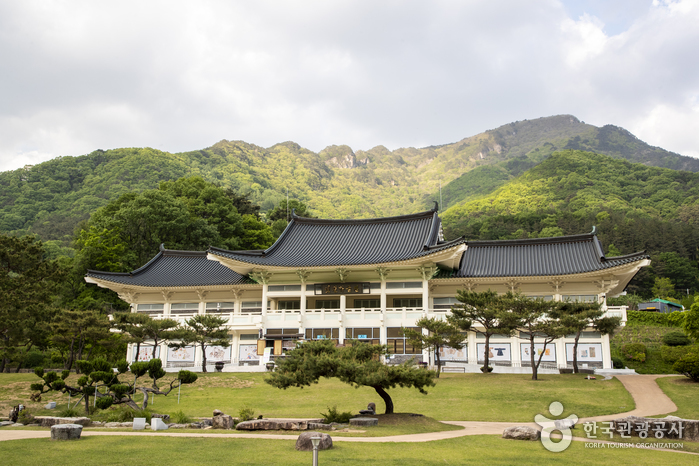
The Museum of Old Roads offers the history of traditional roads and routes in Korea. In the past, Mungyeongsaejae was a transportation hub for the people of Korea, particularly during the Joseon Period. Mungyeongsaejae is home to Haneuljae (one of the oldest roads in Korea, first established in 156 AD), Tokkibiri (a famous trade route), and Yugok Station (a transport hub in the Yeongnam area).
Even though the importance of the roads as travel routes has diminished over time, they continue to increase in cultural significance, conveying the area’s rich traditional heritage to visitors. The Museum of Old Roads was opened in 2009 after having been remodeled from the Mungyeongsaejae Museum, which mainly dealt with local history.