Naju Geumseonggwan Hall (나주 금성관)
Naju Geumseonggwan Hall (나주 금성관)
 – Homepage
www.cha.go.kr
www.naju.go.kr
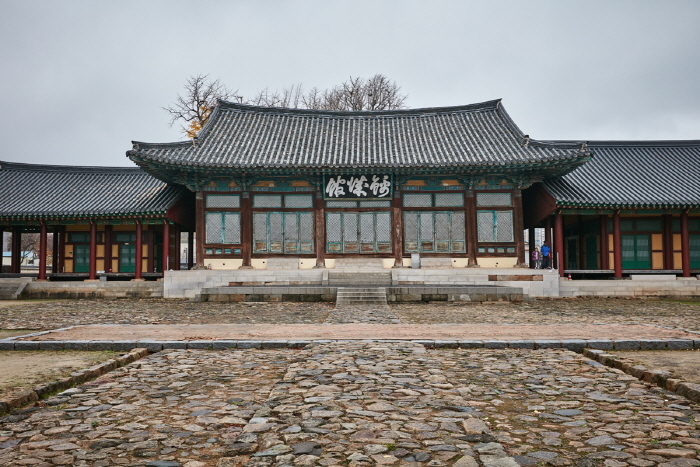
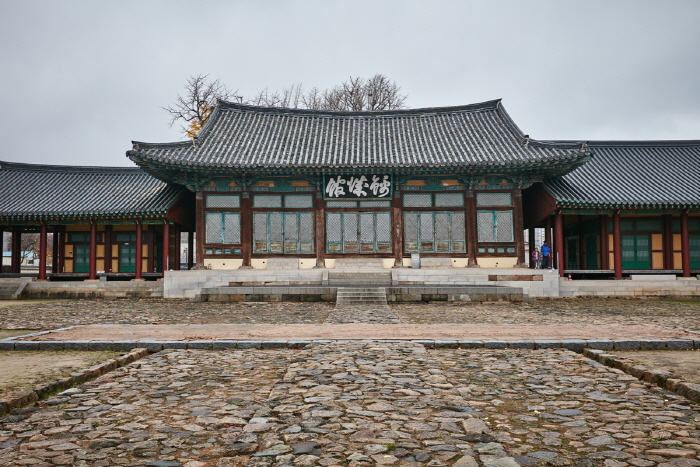
Naju Geumseonggwan Hall was a state-run guesthouse for government officials during the Joseon period. It was the venue for ceremonial praise rituals for the king, taking place on the first and 15th of each month, as well as banquets held in honor of visiting dignitaries. The building was constructed sometime between 1475 and 1479. The building was remodeled during the Japanese occupation, but was restored to its original design in 1977.
– Address : 8, Geumseonggwan-gil, Naju-si, Jeonnam-Gwangju Special Metropolitan City
※ Presentation Information
– Information and Guides
• 1330 Travel Hotline: +82-2-1330
(Korean, English, Japanese, Chinese)
• For more info: +82-61-339-8613


◎ Nearby Tourism Infobox
⊙ Naju Moksanaea (나주목사내아)
View detailed guide on Korea Trip Guide →
– Homepage
www.naju.go.kr
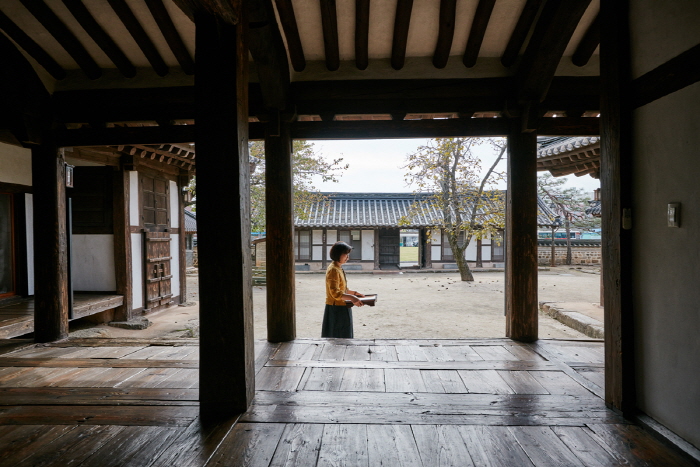
Naju Moksanaea was the private residence of Naju’s moksa, the title of highest official in the region. This traditional hanok house was built in 1825 and follows the traditional hanok design of a wealthy aristocrat. It is recognized as Jeollanam-do Cultural Hertiage Material.
⊙ 3917Majung (3917마중)
View detailed guide on Korea Trip Guide →
– Homepage
http://blog.naver.com/3917majung
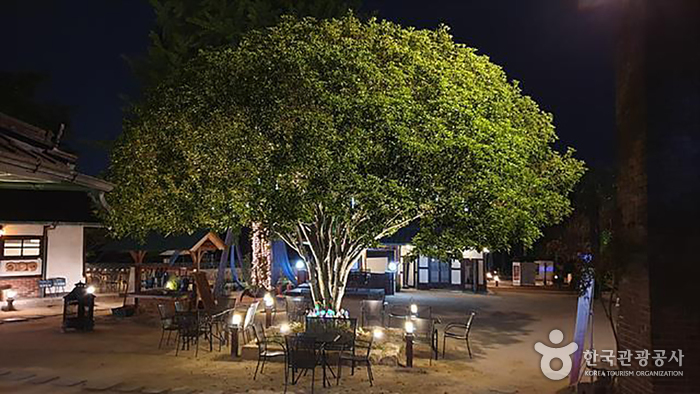
3917 Majung is a Japanese- and Western-style hanok commonly seen in the late Korean Empire period, in Naju, Jeollanam-do, which combines a cafe, cultural space and hanok stay. The 3.2 acre site contains four buildings, with a mixture of ondol rooms, tatami rooms, daecheong floors and numaru lofts. Some buildings have bathrooms installed, some share outdoor bathrooms. All four buildings are let as private houses.
⊙ National Center for Forest Education, Naju (국립나주숲체원)
View detailed guide on Korea Trip Guide →
– Homepage
www.fowi.or.kr
National Center for Forest Education, Naju is a national recreational facility located on Geumseongsan Mountain. It operates customized forest education and cultural programs based on the wild tea plantation of Geumseongsan Mountain and the culture of Naju. Utilizing the facilities of the forest center and the surrounding nature, it offers various experiential programs such as forest walking, stretching, meditation, and natural dyeing experiences of Naju’s traditional culture.
4 Comments