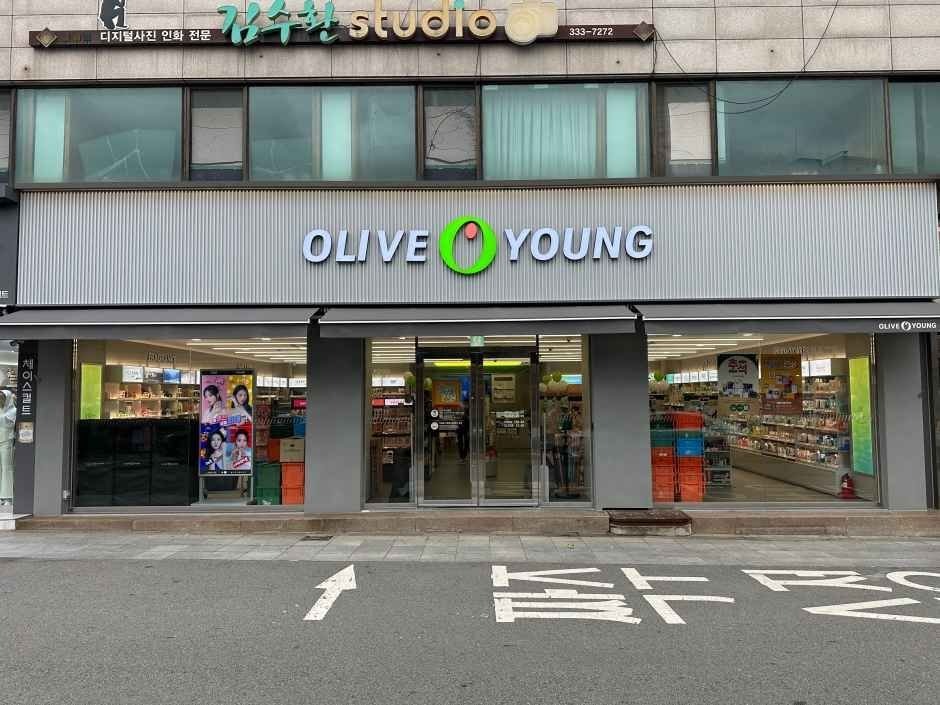
Olive Young Naju Branch [Tax Refund Shop](올리브영 전남나주점)
Olive Young Naju Branch [Tax Refund Shop](올리브영 전남나주점)
 – Homepage
www.oliveyoung.co.kr
Olive Young is a popular health and beauty store showcasing the latest K-beauty trends. It offers a wide selection of skincare, makeup, and health products at affordable prices, making it a favorite among international visitors.
– Address : 1F, 41, Jungang-ro, Naju-si, Jeonnam-Gwangju Special Metropolitan City
※ Presentation Information
– Fair Day
Monday – Sunday
– Information and Guides
061-334-6561
– Opening Hours
10:00~22:00
– Parking
Not available
– Restroom
Available
– Items for Sale
Perfume / cosmetics, Miscellaneous goods, Ginseng / herbal medicines / health supplements, Food products
◎ Nearby Tourism Infobox
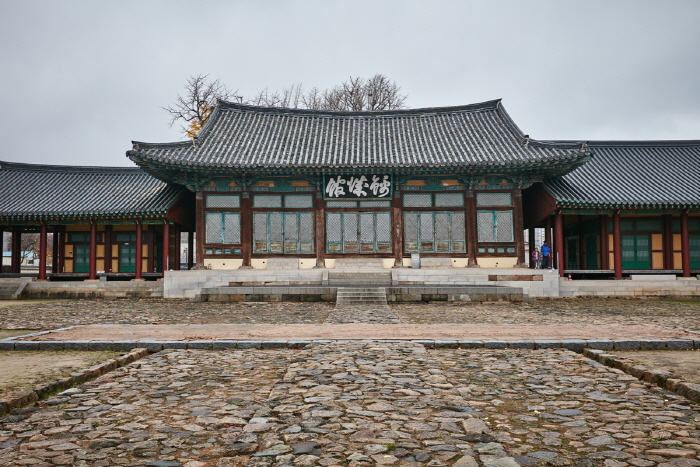
⊙ Naju Geumseonggwan Hall (나주 금성관)
View detailed guide on Korea Trip Guide →
– Homepage
www.cha.go.kr
www.naju.go.kr
Naju Geumseonggwan Hall was a state-run guesthouse for government officials during the Joseon period. It was the venue for ceremonial praise rituals for the king, taking place on the first and 15th of each month, as well as banquets held in honor of visiting dignitaries. The building was constructed sometime between 1475 and 1479. The building was remodeled during the Japanese occupation, but was restored to its original design in 1977.
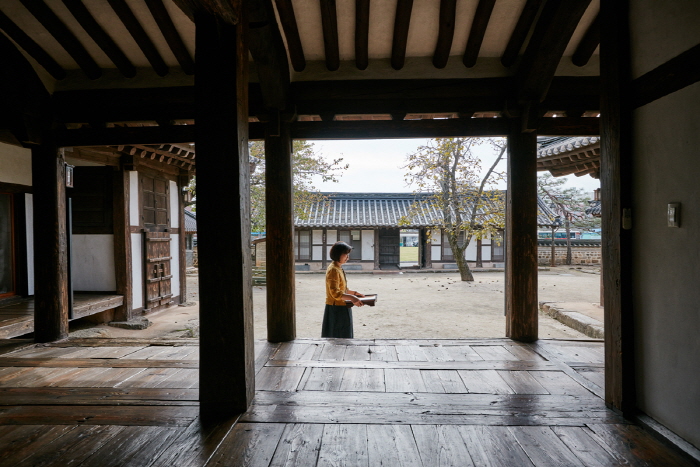
⊙ Naju Moksanaea (나주목사내아)
View detailed guide on Korea Trip Guide →
– Homepage
www.naju.go.kr
Naju Moksanaea was the private residence of Naju’s moksa, the title of highest official in the region. This traditional hanok house was built in 1825 and follows the traditional hanok design of a wealthy aristocrat. It is recognized as Jeollanam-do Cultural Hertiage Material.
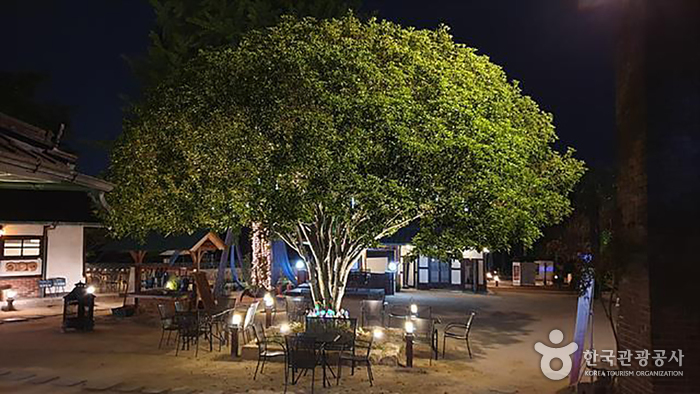
⊙ 3917Majung (3917마중)
View detailed guide on Korea Trip Guide →
– Homepage
http://blog.naver.com/3917majung
3917 Majung is a Japanese- and Western-style hanok commonly seen in the late Korean Empire period, in Naju, Jeollanam-do, which combines a cafe, cultural space and hanok stay. The 3.2 acre site contains four buildings, with a mixture of ondol rooms, tatami rooms, daecheong floors and numaru lofts. Some buildings have bathrooms installed, some share outdoor bathrooms. All four buildings are let as private houses.