Yangnim History & Culture Village (양림역사문화마을)
Yangnim History & Culture Village (양림역사문화마을)
– Homepage
visityangnim.kr/: Visit site
Yangnim History & Culture Village is located in the area where Western items and ideas first entered Jeonnam-Gwangju Special Metropolitan City over 100 years ago. As such, the neighborhood has a unique collection of Western architecture mixed with traditional hanok houses. There are also many houses of Christian missionaries, who facilitated the advancement of medicine and education in Jeonnam-Gwangju Special Metropolitan City. Some areas, such as Penguin Village, have been decorated with murals and outdoor exhibitions to promote art and tourism, helping the elderly locals to make a living.
– Address : 7 Seoseopyeong-gil, Nam-gu, Jeonnam-Gwangju Special Metropolitan City
※ Presentation Information
– Information and Guides
+82-62-676-4486
– Parking
Available
◎ Nearby Tourism Infobox
⊙ Palace Tourist Hotel (파레스 관광호텔)
View detailed guide on Korea Trip Guide →
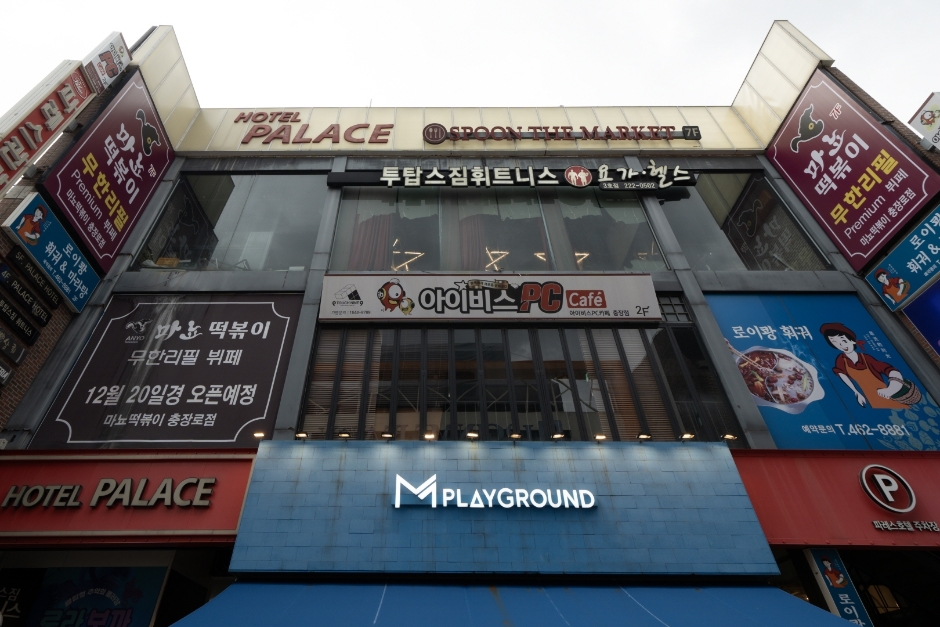
– Homepage
palace-hotel.kr: Visit site
Palace Tourist Hotel is located only a six-minute walk from Geumnamro 4(sa)-ga Station on Gwangju Subway Line 1. Nearby attractions within walking distance include Gwangju Art Street and Yangdong Market.
⊙ Ramada Plaza By Wyndham Chungjang (라마다플라자 충장호텔)
View detailed guide on Korea Trip Guide →
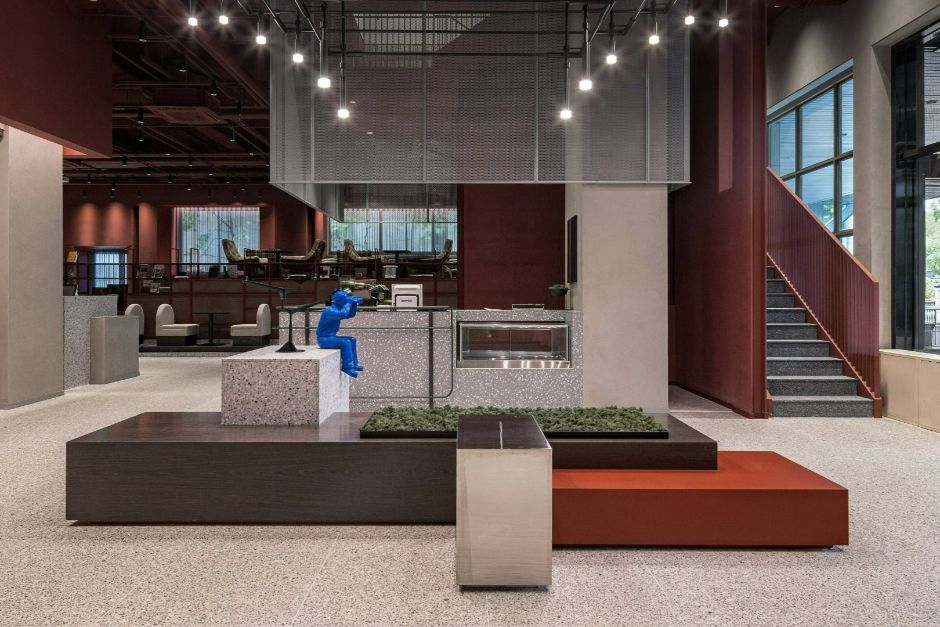
– Homepage
www.ramadaplazachungjang.com: Visit site
Ramada Plaza By Wyndham Chungjang is the second Ramada Plaza in Gwangju with a view of Mudeungsan Mountain and Gwanjucheon Stream. The hotel has spacious 95 rooms with facilities including a fitness center, male-only sauna and more. Convention Center with a view of Mudeungsan Mountain, lounge and entertainment facilities with a trendy style provide guests with the comfort for any type of travel.
⊙ Gwangju Park (광주공원)
View detailed guide on Korea Trip Guide →
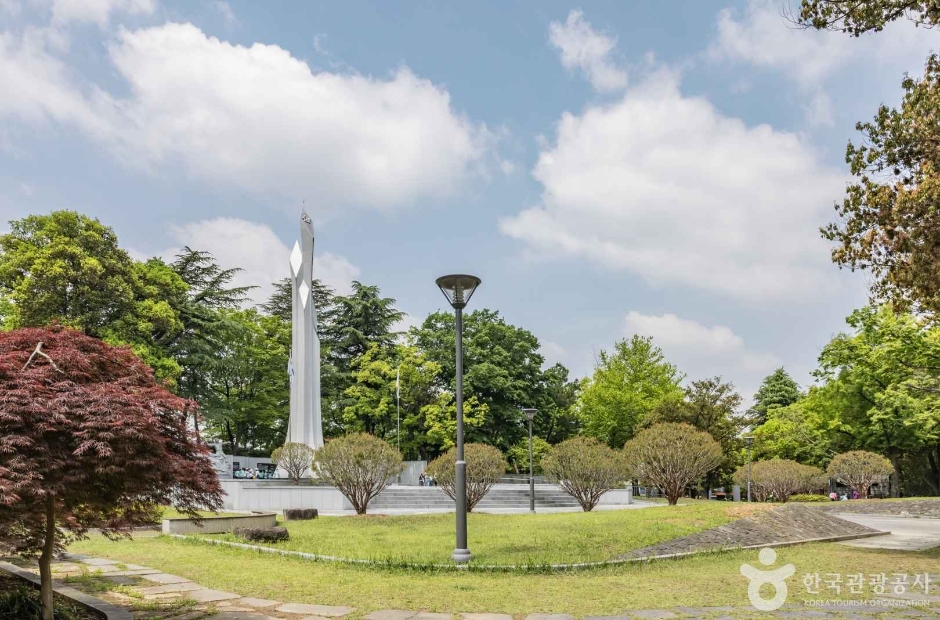
Gwangju Park, an urban Park in Gwangju, is a popular recreational spot among residents. Home to a memorial tower honoring the victims of the April 19 Revolution, Gwangju Municipal Museum, and a citizens’ hall, the park is a space where traditions and modernity coexist. Filled with trees and flower plants, it boasts beautiful scenery, especially in April, when cherry blossoms adorn the park. Nearby attractions include Gwangju Sajik Park, Asia Culture Center, and Gwangju Yangdong Market, with a stream flowing in front of the park.
⊙ Gwangjuhyanggyo Confucian School (광주향교)
View detailed guide on Korea Trip Guide →
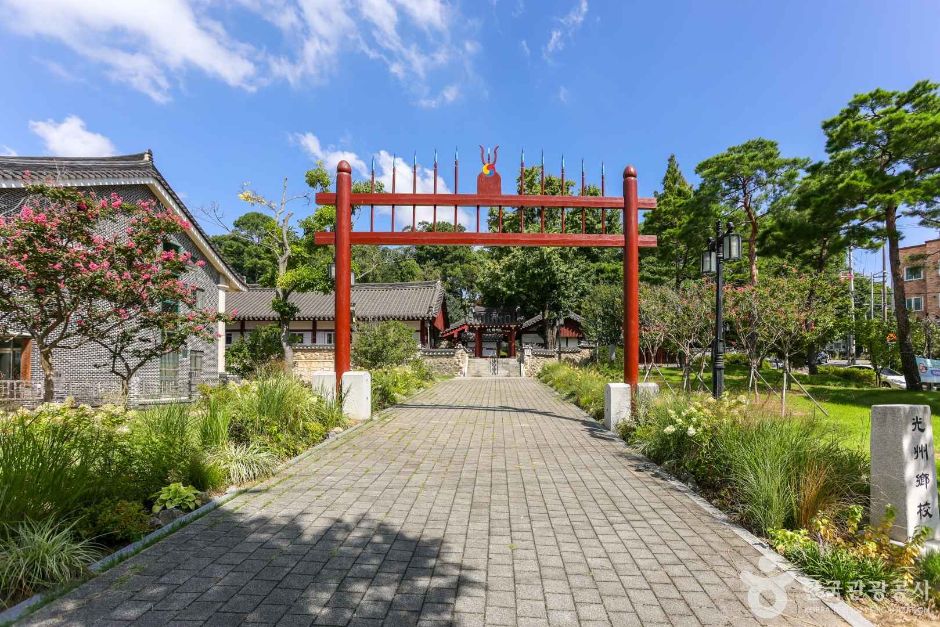
– Homepage
www.hyanggyo.or.kr: Visit site
Hyanggyo was a national educational institution during the Joseon dynasty, where the tablets of distinguished Confucian scholars were enshrined, and rituals were held in their honor. In spring and fall, it hosts Seokjeon, a ritual honoring Confucius, along with Seodang (traditional Confucian school) experiences and traditional weddings, offering opportunities to immerse in Confucian culture. In summer, crape myrtle flowers bloom, and in fall, the old ginkgo tree turns golden yellow, beautifully contrasting with the traditional Joseon-style hanok architecture.
⊙ House of Choi Seung-hyo (최승효가옥)
View detailed guide on Korea Trip Guide →
– Homepage
www.cha.go.kr: Visit site
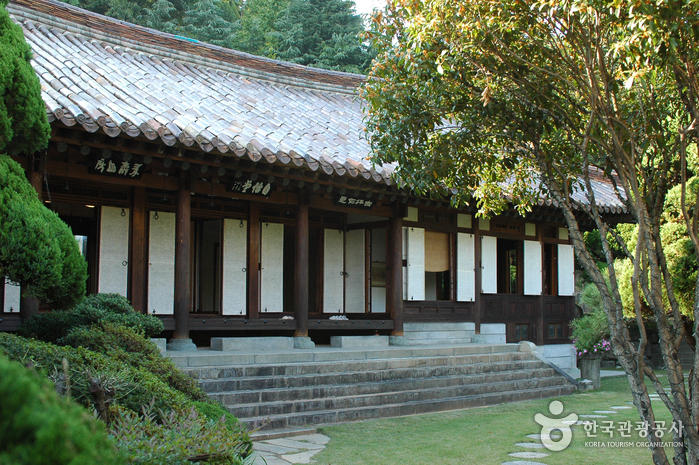
The House of Choi Seung-hyo is a traditional residential building located on the southeastern slopes of Yangnimsan Mountain. The rectangular building is open to the east, has 8 kan (the space between two pillars) in the front and 4 kan to the sides, and is graced by a traditional hipped and gabled roof. Since the building was constructed in the 1920s, it offers a valuable glimpse into the architectural style of Korean houses at the end of the Japanese colonial period. Choi Sang-hyeon was an activist who offered his attic as a place of refuge for other activists.
⊙ Gwangju Chungjang-ro KPOP STAR Street(광주 충장로 케이팝 스타의 거리)
View detailed guide on Korea Trip Guide →
– Homepage
tour.gwangju.go.kr: Visit site
J-hope Hope World
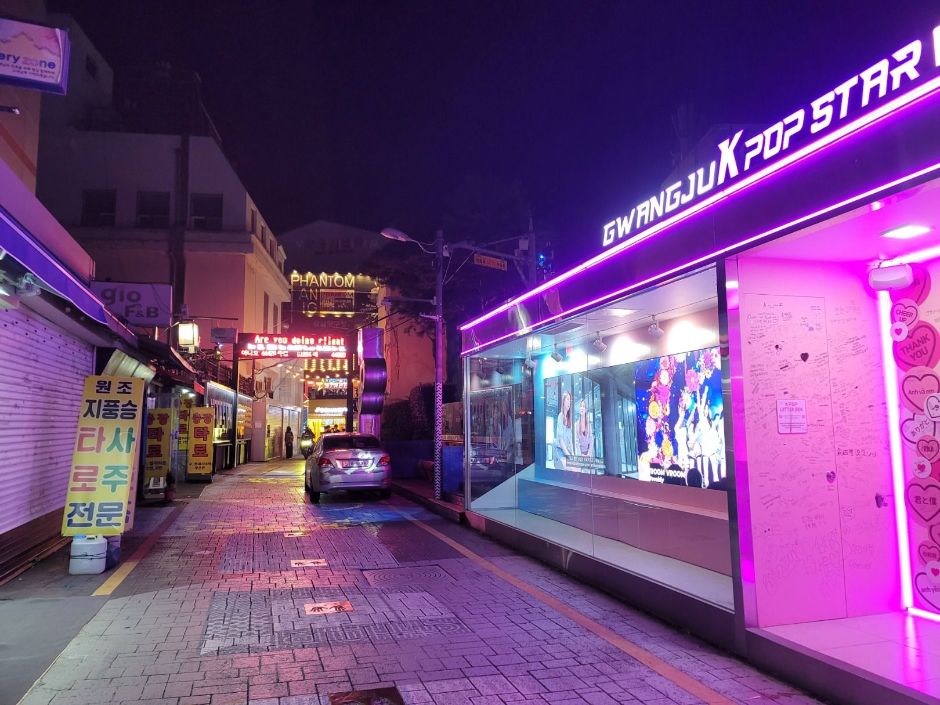
This street was created to commemorate K-pop stars from Gwangju. Within the street, there are murals depicting singers’ album jackets, benches decorated with song titles, handprints, and sculptures. After j-hope personally stopped by the bench decorated with the theme of a BTS song and posted a proof shot, it became a holy place for fans. It is one of the essential courses that ‘ARMY’ cannot miss because he left a message of appreciation and impressions of visiting this place.
⊙ Han Hee-won Art Museum (한희원미술관)
View detailed guide on Korea Trip Guide →
– Homepage
@hanheewon_museum: Visit site
Han Hee-won Art Museum is a small hanok art museum in the back alley of Yangnim-dong.
Painter Han Hee-won grew up in Yangnim-dong, where he was influenced as a painter. In July 2015, he purchased a small hanok between the House of Yi Jang-u and the House of Choe Seunghyo and transformed it into an art museum to preserve and show the spirit of love, comfort, and art in his hometown, Yangnim-dong. An art museum with a low threshold approaching citizens with a humble mind, Han Hee-won Art Museum is open to anyone. Feel free to visit, appreciate the paintings, and be comforted through art.
⊙ Lee Jang-woo’s House (이장우 가옥)
View detailed guide on Korea Trip Guide →
– Homepage
Visit site
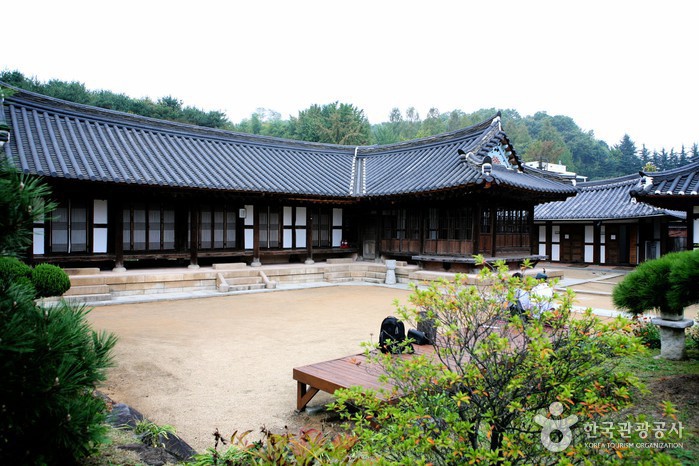
Designated the first Gwangju Folk Material on March 20, 1989, Lee Jang-woo’s House is an upper-class, tile-roofed house with a gate, storeroom, servants’ quarters, detached building, and main building. The building is estimated to have been constructed in 1899 and is overall a sturdy example of Korean architecture, well-preserved in its original state. The L-shaped main hall of the historic building is rather large and consists of (left to right) a wooden verandah, a small room, a hall, the main room, a kitchen, and another small room. The room doors are double doors with a sliding door on the inside and a hinged door on the outside. The hall also has partitions that can be hung up as necessary.
◎ Travel information to meet Hallyu’s charm – movie “Meet the In-Laws”
This hanok served as Hyeon-joon’s (played by Song Sae-byeok) family home in Jeolla-do in the movie “Meet the In-Laws.” With its well-preserved architecture and traditional Korean garden, it captures the elegance and charm of early modern Korea.
⊙ Yangnim Art Center (양림미술관)
View detailed guide on Korea Trip Guide →
– Homepage
blog.naver.com/yangrimart: Visit site
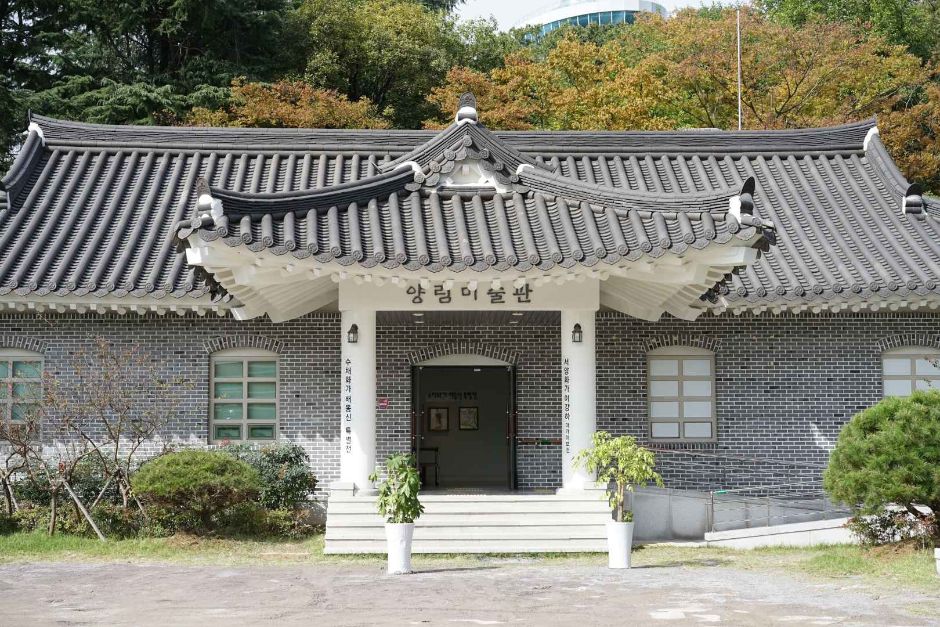
Yangnim Art Center takes its name from its location in Yangnim-dong, the center of modern history and culture. Designed in hanok style, the building features exhibition rooms on each floor, offering both artists and visitors a creative space to connect and immerse themselves in the art.
⊙ Dream People Enter (드림피플엔터)
View detailed guide on Korea Trip Guide →
– Homepage
www.gjski.co.kr: Visit site
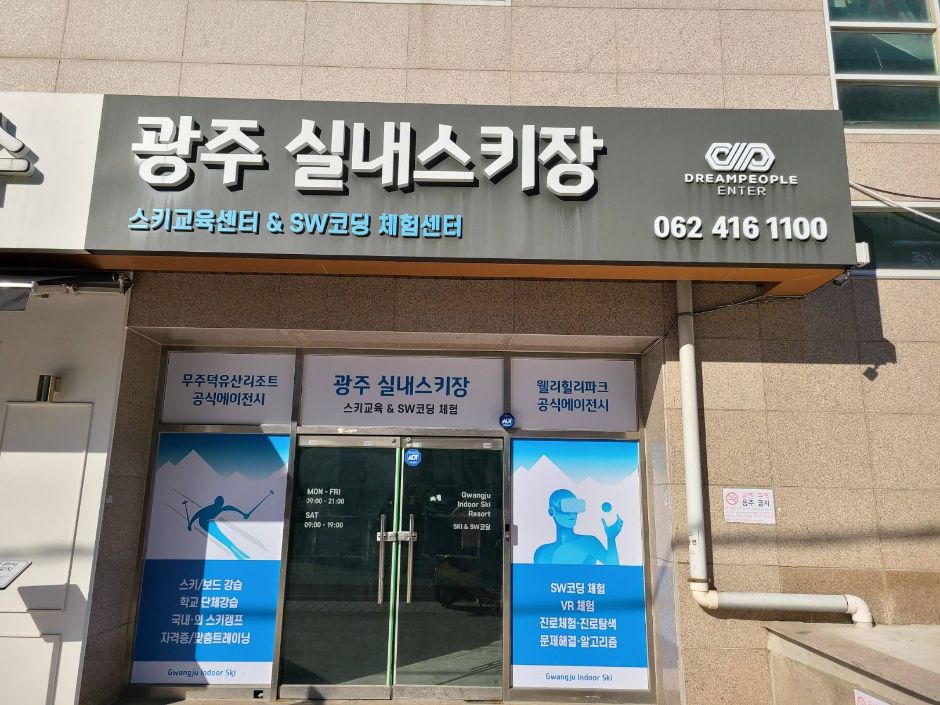
Dream People Enter is an indoor ski class facility that visitors can enjoy throughout the year with beginner and intermediate slopes and auto slope for advanced learners. The class also go on field trips to Muju Deogyusan Resort and Welli Hilli Park for ski camps and lessons. There are ski and snowboard classes for both individuals and groups. It also has facility to repair ski gears, a storage, and a ski shop.
](https://ktrip.blogsailing.com/wp-content/uploads/2026/08/2592528_image2_1.jpg)
](https://ktrip.blogsailing.com/wp-content/uploads/2026/07/4045678_image2_1.jpg)
5 Comments