Yeongam Wangin Culture Festival (영암왕인문화축제)
Yeongam Wangin Culture Festival (영암왕인문화축제)
 – Homepage
영암왕인문화축제.kr
– Tel
+82-61-470-2346
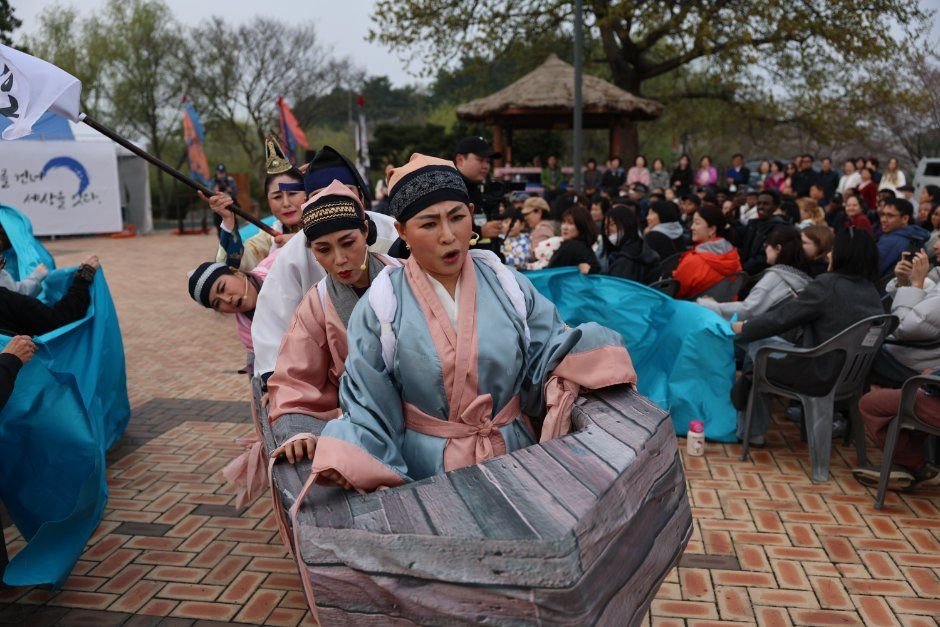
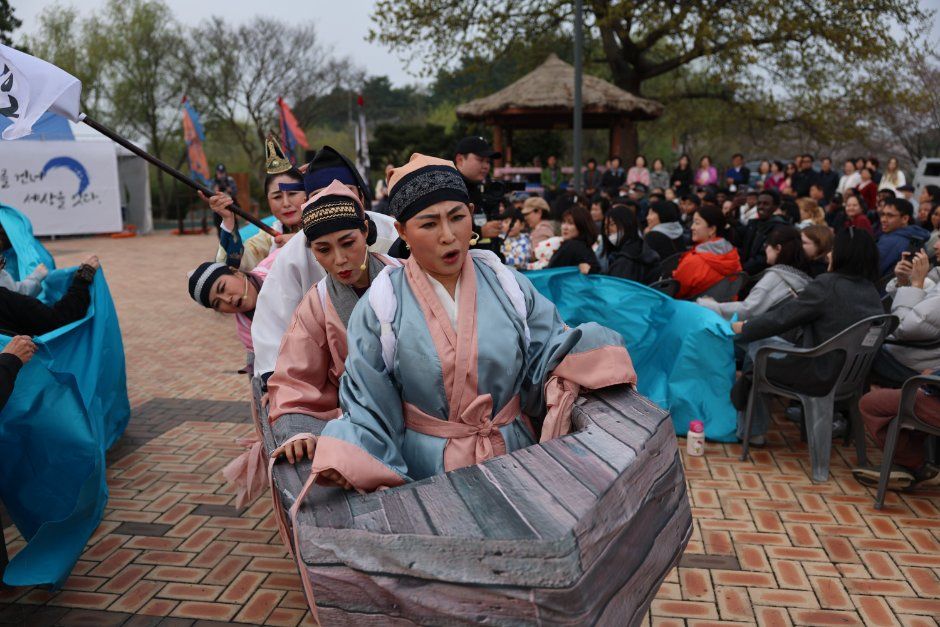
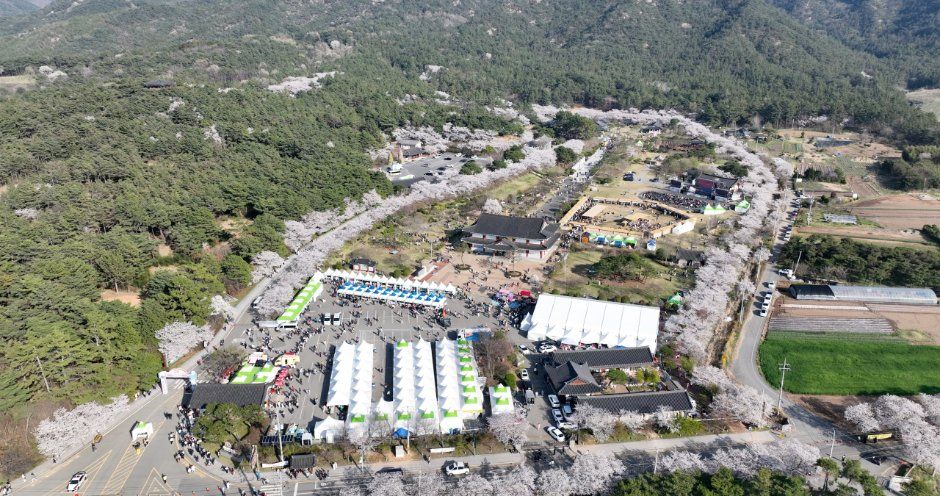
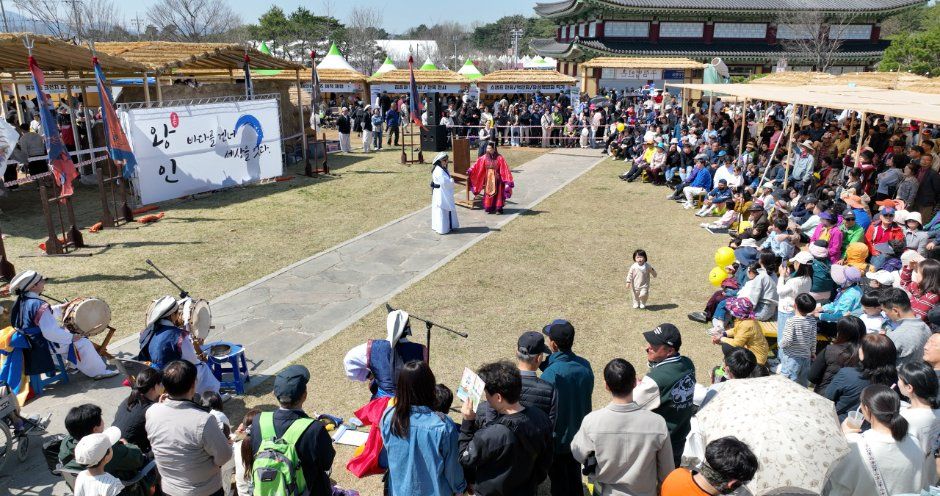
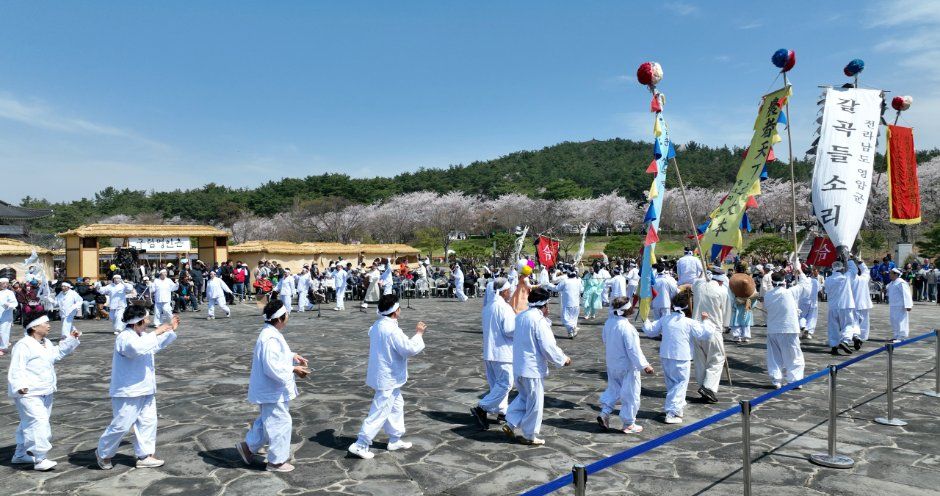
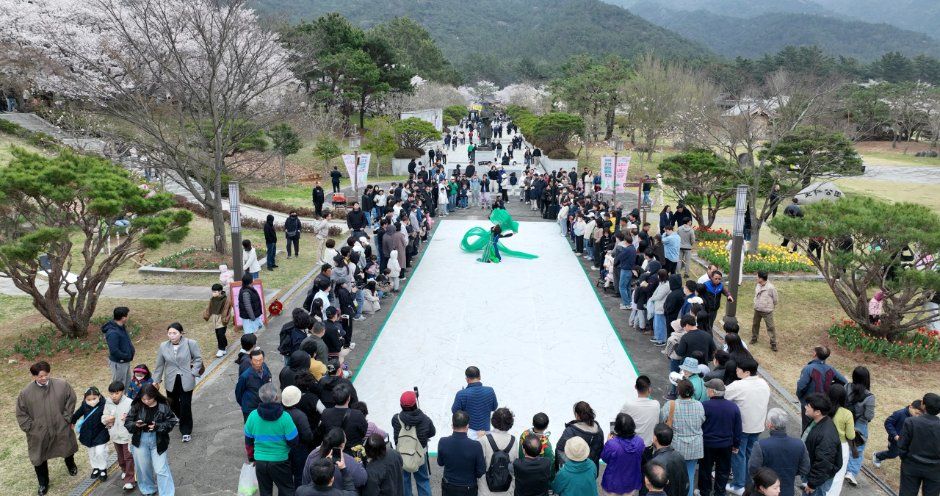
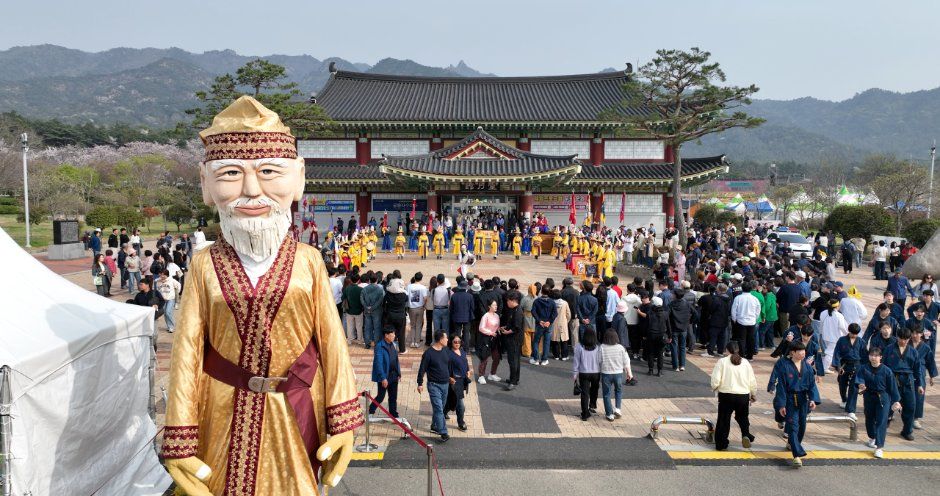
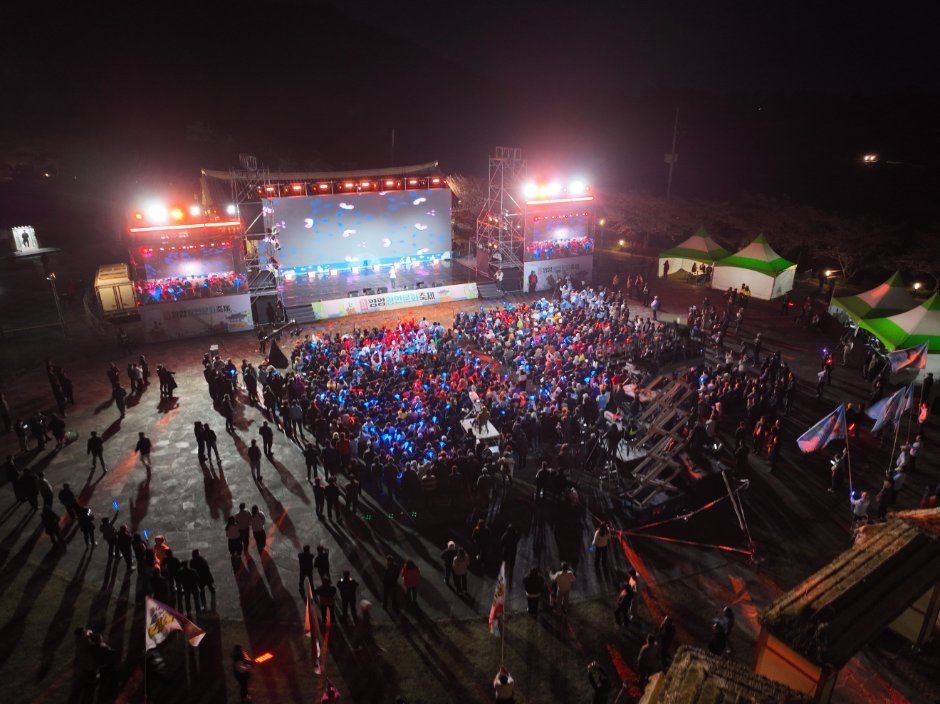
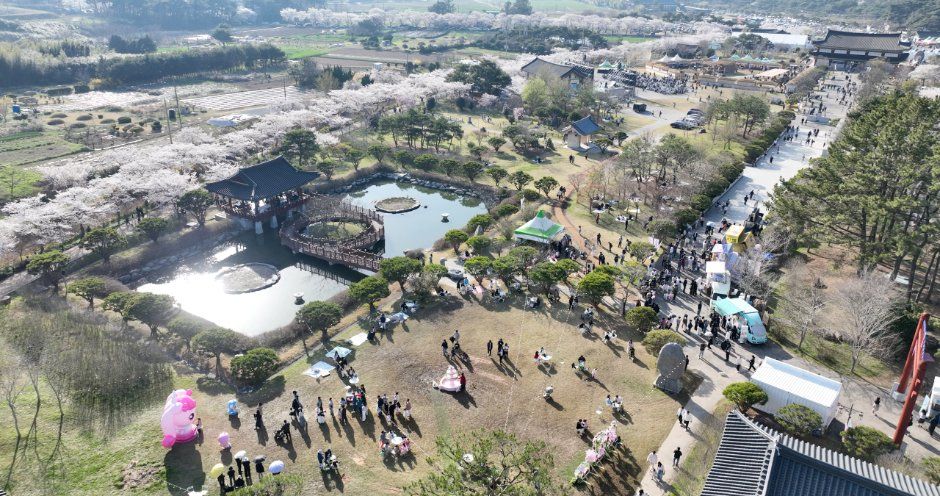
First held in 1997, the Yeongam Wangin Culture Festival is one of Korea’s leading Cultural Tourism Festivals and has been held every spring at the Historical Site of Wangin. Dr. Wangin played a pivotal role in cultural exchange across ancient East Asia. Through him, Baekje’s advanced culture and Confucian classics crossed the Korea Strait and reached the Japanese archipelago. His teachings represented far more than a transfer of knowledge; they became a driving force behind the emergence of Asuka culture, the golden age of ancient Japanese civilization. Wangin’s profound scholarship, together with the flowing Yeongsangang River and Sangdaepo Port, symbolizes the currents of exchange that carried culture across the sea. Here in Yeongam, visitors can rediscover the roots of Asuka culture.
– Address : 440, Wangin-ro, Gunseo-myeon, Yeongam-gun, Jeonnam-Gwangju Special Metropolitan City
※ Presentation Information
– Event Date
20260404 ~ 20260412
– Schedule
10:00-19:00
– Location
Historical Site of Wangin
– Program
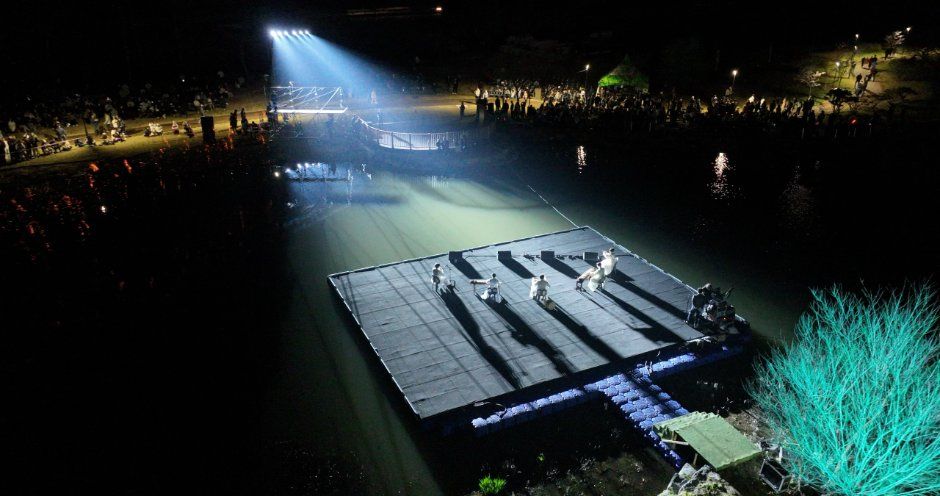
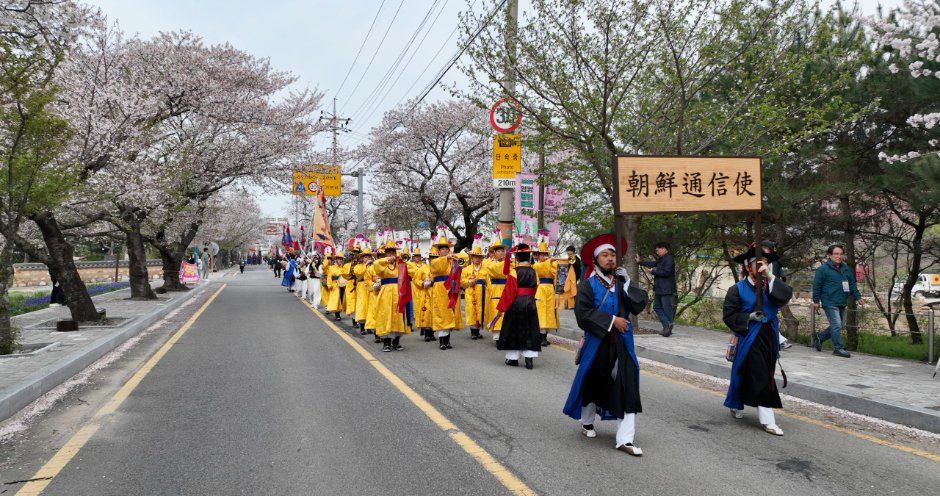
Dr. Wangin Parade, Joseon Tongsinsa Parade, Dr. Wangin Madanggeuk (traditional outdoor theater), Sangdaepo Fantasy
– Sponsor
Yeongam-gun
– Sponsor Phone
+82-61-470-2346
– Co-Sponsor
Yeongam Culture & Tourism Organization, Yeongam-gun Folk Festival Promotion Committee
– Fees
Free
◎ Nearby Tourism Infobox
⊙ Historical Site of Wangin (왕인박사 유적지)
View detailed guide on Korea Trip Guide →
– Homepage
www.yeongam.go.kr: Visit site
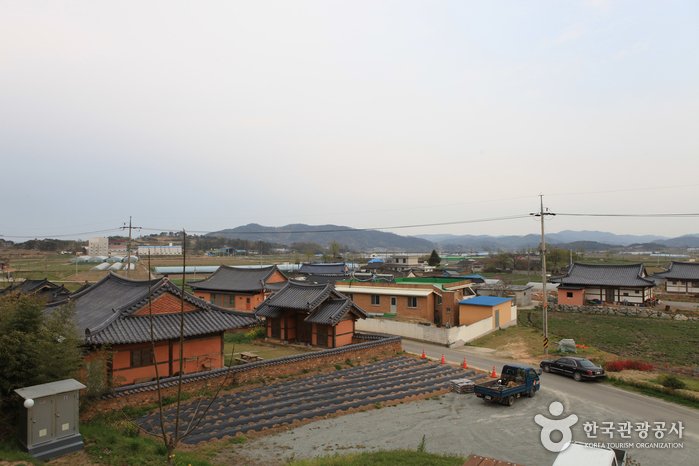
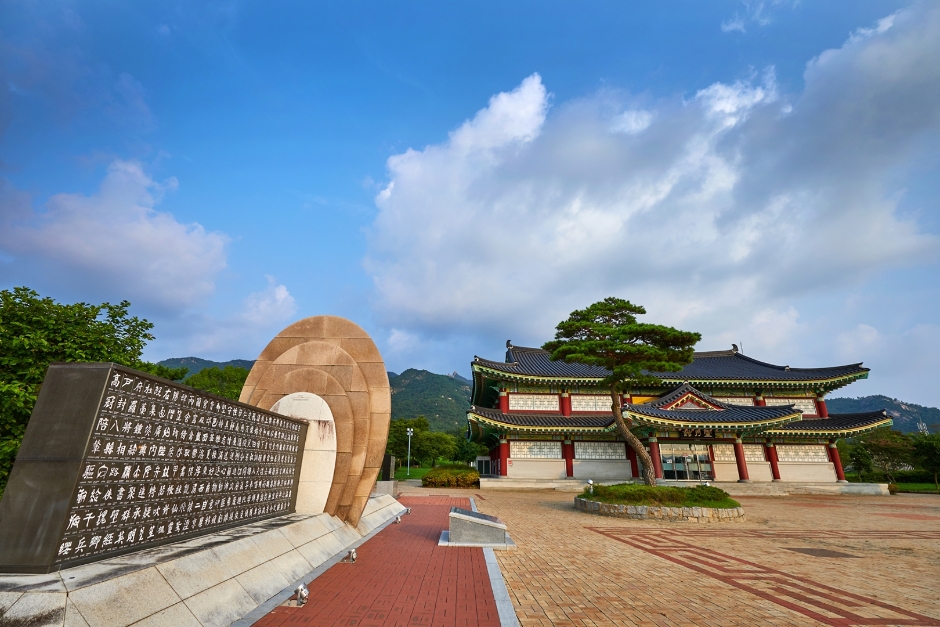
The hometown of Wangin Baksa (Wangin the Great Scholar) is located at the foot of Munpilbong Peak to the east of Gurim Village. Due to Wangin’s importance and contributions to Korean history, this historical attraction is preserved and maintained in honor of his memory and achievements.
Seonggidong is the official birthplace of Wangin (marked by the Yuheobi memorial monument) and is also home to Seongcheon, the well Wangin is believed to have drunk from. Halfway up Wolchulsan Mountain are Chaekgul, Munsanjae and Yangsajae where Wangin is said to have studied as well as nurtured local pupils. To commemorate the significance of these areas, a memorial is held every March at Munsanjae and Yansanjae.
In front of Chaekgul is a statue of Wangin which is said to symbolize his benevolent character. Just west of Seonggidong is Doljeonggogae, a hill from which it is believed Wangin made a sorrowful look back at his countrymen before leaving for Japan.
Wangin departed for Japan from Sangdaepo, which at the time was an international trading port. The renowned Baekje scholar was beginning his journey at the request of Japanese Emperor Eungshin. He took with him ten books on the Analects of Confucius and a book of Cheonjamun, a text of one thousand Chinese characters. Over time, he earned the trust of the emperor and became instructor to the crown prince. Wangin is well-known for his part in the development of Japanese culture and his name appears often in Japanese history. Wangin educated beyond textbooks and made great contributions to the development of arts, crafts and music and is revered as the originator of Japan’s Asuka culture.
This historic site was originally reconstructed from 1985 to 1987 and is continually receiving improvements to improve accessibility for visitors.
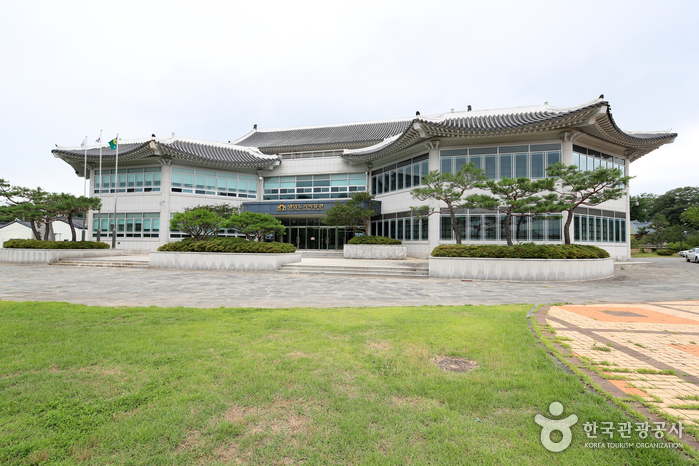
⊙ Yeongam Pottery Museum (영암도기박물관)
View detailed guide on Korea Trip Guide →
– Homepage
Visit site
Yeongam Pottery Museum is dedicated to promoting the history of pottery in Korea, starting from the oldest known pottery coming from Gurim Village. Visitors can learn about the history of this art form through exhibitions, educational programs, and hands-on experiences. Locally produced pottery is also available for sale. Nearby attractions include the Wangin Historic Site and Ha Jung-woong Museum of Art.
](https://ktrip.blogsailing.com/wp-content/uploads/2026/07/4045879_image2_1.jpg)