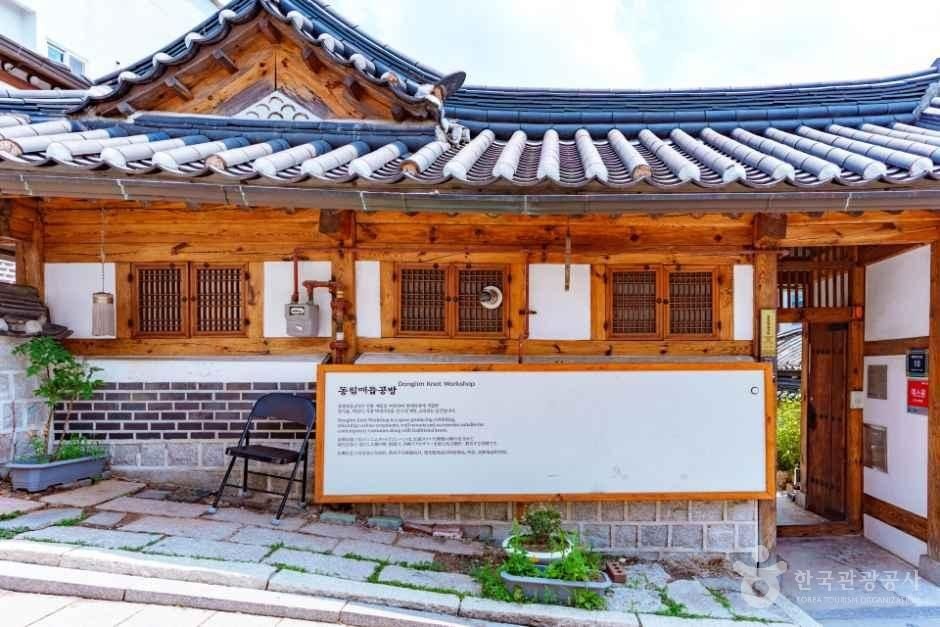
Dong-Lim Knot Museum (동림매듭박물관)
Dong-Lim Knot Museum (동림매듭박물관)
 – Homepage
www.shimyoungmi.com: Visit site
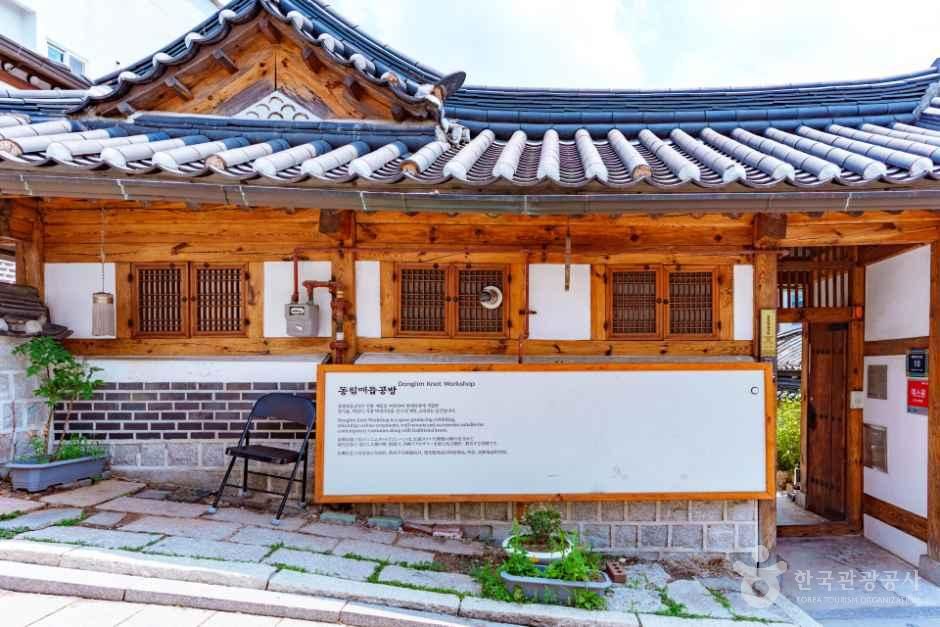
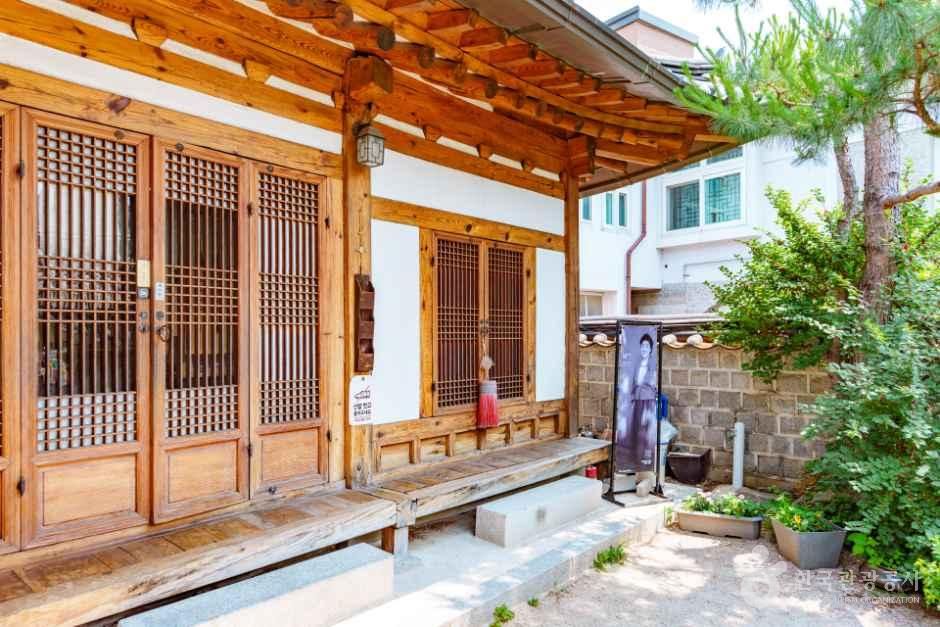
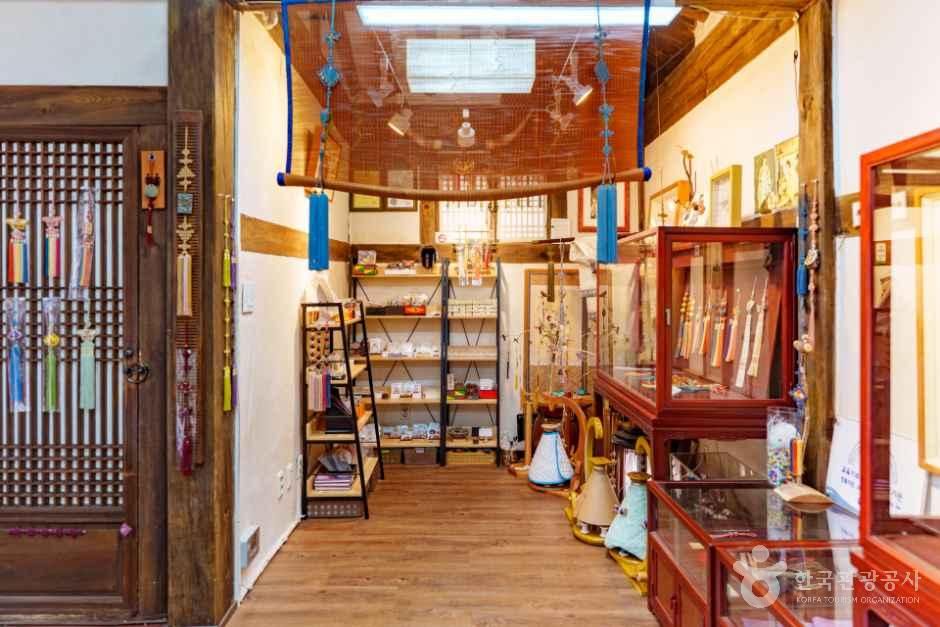
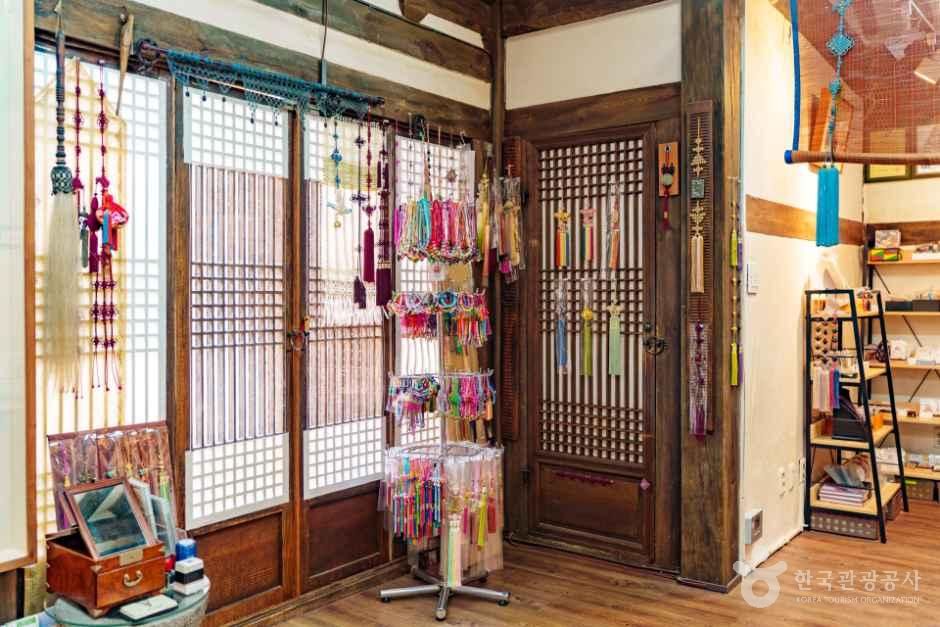
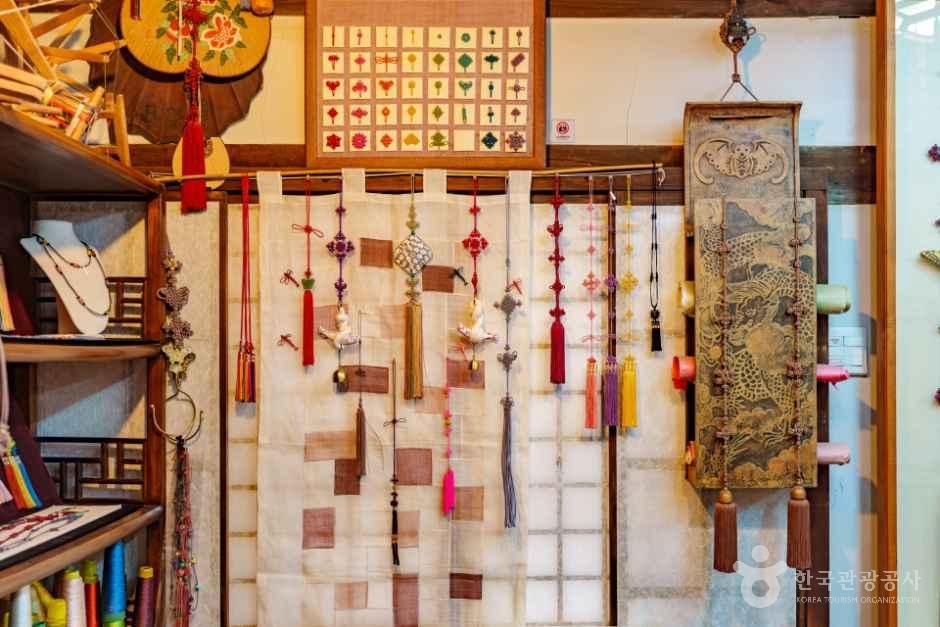
Opened in April 2004, Dong-Lim Knot Museum exhibits a variety of decorative traditional Korean maedeup (knots): norigae for hanbok, belts, pouches, as well as materials like thread, cord, and accessories. Housed in a hanok, a traditional Korean house, the gallery has a variety of exhibits, including old and new artwork, and creations that reflect modern trends.
– Address : 10 Bukchon-ro 12-gil, Jongno-gu, Seoul
※ Presentation Information
– Information and Guides
+82-2-3673-2778
– Day Off
Mondays
– Usage Fee
Fee varies by program; inquire in advance
– Operating Hours
10:00-18:00
◎ Nearby Tourism Infobox
⊙ Woo Joo Yon Clinic (우주연한의원)
View detailed guide on Korea Trip Guide →
Woojooyon Clinic takes an integrative approach considering the patient’s overall health. Rather than merely treating the affected area, we listen to the patient’s story, understand their daily life, and focus on identifying and correcting the root causes of imbalances in the body. Our goal is to pursue true healing and happiness by treating with a delicate touch that connects with the patient’s soul. We aim to restore the body to its original state, ensuring a holistic examination of both body and mind, as well as habits and personality. Woojooyon Clinic is committed to helping patients regain a healthy life by applying the wisdom of traditional Korean medicine. We value our relationships with patients and strive to always do our best.
⊙ Rakkojae Seoul Bukchon Hanok Hotel (락고재 서울 북촌 한옥호텔)
View detailed guide on Korea Trip Guide →
– Homepage
Visit site
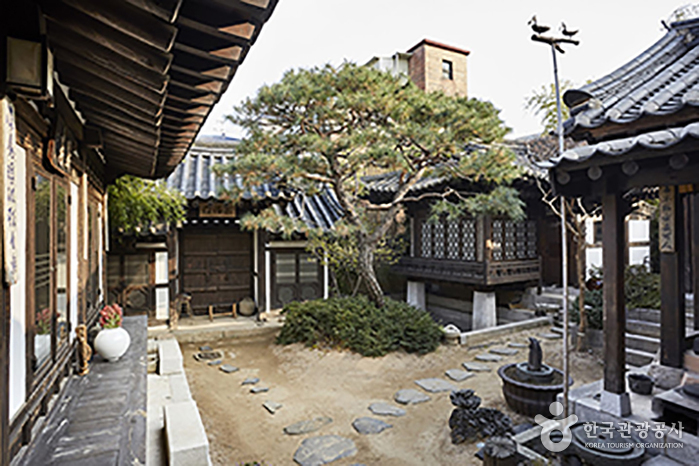
Rakgojae Bukchon Hanok Hotel in Jongru-gu, Seoul, is a traditional hanok compound with a 130-year history, renovated by master carpenter Jeong Yeong-jin. The elegant gate and stone walls, the traditional roof tiles, the jangdokdae jar store, the pavilions and ponds – not to mention the beautiful pine trees – express the archetypal beauty of hanok. Sitting on the daecheongmaru (wooden patio) with a breeze in the trees, guests will feel taken back in time. Guestrooms are clean and comfortable, and visitors can relax in a wood-fired red-clay sauna and a jade-covered ondol room,. Traditional culture programs are available.
⊙ Hanji House (한지가헌)
View detailed guide on Korea Trip Guide →
– Homepage
www.kcdf.or.kr/hanji/ www.instagram.com/hanji.HOUSE: Visit site · Visit site
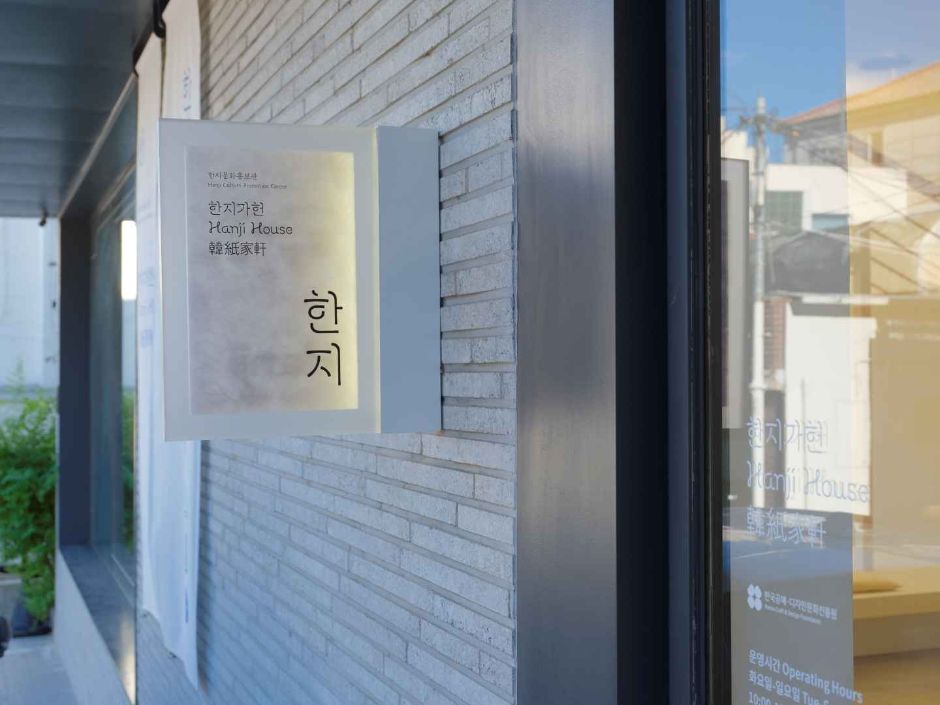
Hanji House was founded to pass on the cultural heritage of hanji, traditional Korean paper, as well as to promote its excellence and uses in everyday life. The center is operated by Korea Craft & Design Foundation, and offers a variety of programs that consist of exhibitions, hands-on activities, classes, and marketing hanji products. On the first floor is Hanji Showroom, where various exhibitions take place to showcase hanji of the past and the present. The basement floor comprises Hanji Open Archive, Hanji Print Studio, and Hanji Workroom, where most of the hands-on activities and classes are held. Hanji House also offers a docent program for exploring the whole area.
⊙ GRANDHAND. Gahoe (그랑핸드 가회점)
View detailed guide on Korea Trip Guide →
– Homepage
granhand.com: Visit site
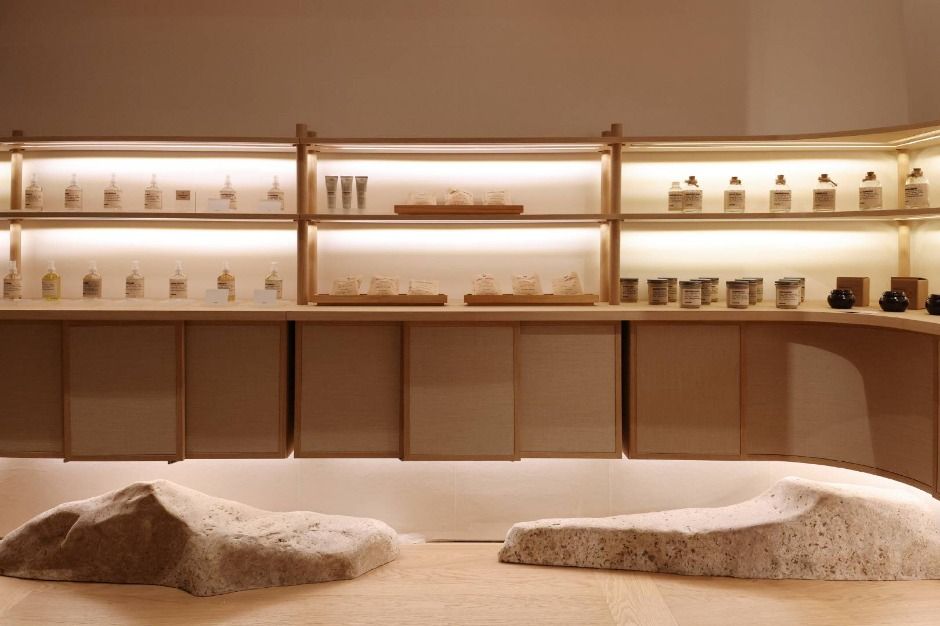
Launched in 2014 at a small hanok in Bukchon Hanok Village, this Korean perfume brand now has nine stores around Seoul. With no advertisements or online sales, GRANDHAND has preserved its roots for years. GRANDHAND. Gahoe located amidst the beautiful surroundings of Bukchon Hanok Village and various art museums has customers of all ages and nationalities.
⊙ Bukchon Son Mandu Bukchon Branch (북촌손만두 북촌점)
View detailed guide on Korea Trip Guide →
– Homepage
Visit site
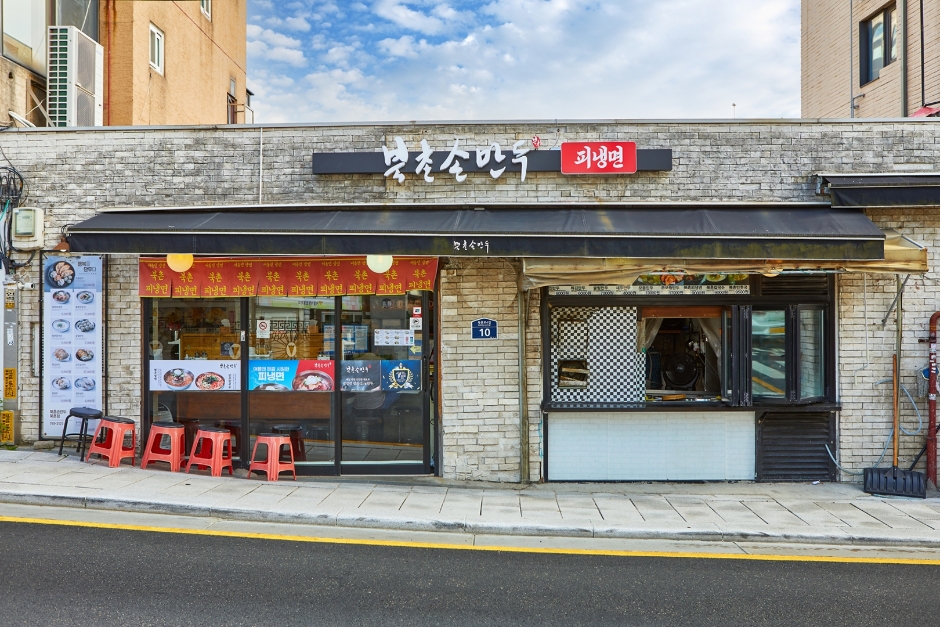
This third-generation family-owned handmade mandu restaurant has been in business since 1953. Its handmade mandu bears the tradition of nearly 70 years. This restaurant distinguishes itself above others with its unique expertise in the art of mandu-making and fresh ingredients, capturing deep flavors with care in each mandu. A full spread of mandu is available here, from steamed mandu to thin-skin mandu, deep-fried mandu, shrimp mandu, and galbi mandu, which can be ordered in individual pieces or as an assorted package. Mandu and noodles go perfectly together, and here, visitors can enjoy mandu with cold buckwheat noodles or noodle soup. The most recommended menu is the noodle soup, which serves thick, plump noodles in warm broth. But that does not mean that the cold buckwheat noodles are lacking: cold buckwheat noodles are served in a cool, red kimchi broth.
⊙ Bukchon Hanok Village (북촌한옥마을)
View detailed guide on Korea Trip Guide →
– Homepage
hanok.seoul.go.kr (Korean, English, Japanese, Chinese): Visit site
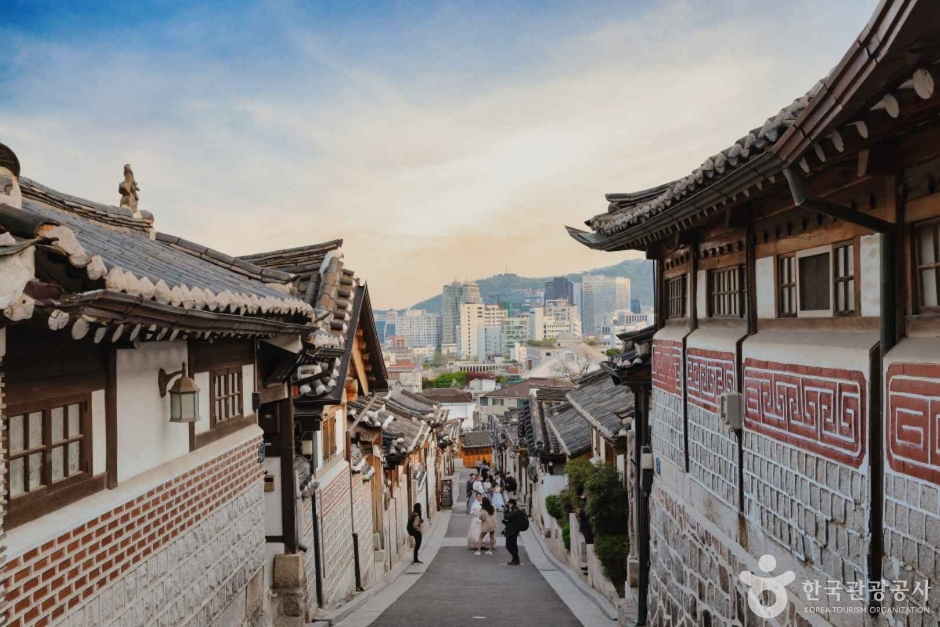
Surrounded by Gyeongbokgung Palace, Changdeokgung Palace and Jongmyo Shrine, Bukchon Hanok Village is home to hundreds of traditional houses, called hanok, that date back to the Joseon dynasty. The name Bukchon, which literally translates to “northern village,” came about as the neighborhood lies north of two significant Seoul landmarks, Cheonggyecheon Stream and Jongno. Today, many of these hanoks operate as cultural centers, guesthouses, restaurants and tea houses, providing visitors with an opportunity to experience, learn and immerse themselves in traditional Korean culture. As Bukchon Hanok Village is an actual neighborhood with people’s homes, visitors are advised to be respectful at all times while looking around.
⊙ Eight Scenic Views of Bukchon (북촌 8경)
View detailed guide on Korea Trip Guide →
– Homepage
tour.jongno.go.kr: Visit site
The Eight Scenic Views of Bukchon can be found at the Bukchon Hanok Village between Gyeongbokgung Palace and Changdeokgung Palace. Bukchon was historically a district where the aristocracy of Joseon had resided in, so it is still home to a large number of traditional dwellings, called hanok in Korean. The eight views are as follows: No. 1, view of Chengdeokgung Palace; No. 2, view of Wonseo-dong Handicraft Road; No. 3, view of the Gahoe-dong area; No. 4, view from the hill at Gahoe-dong (Bukchon Observatory); No. 5, the view of the road uphill at Gahoe-dong; No. 6, the view of the road downhill at Gahoe-dong; No. 7, the view at house number (beonji) 31, Gahoe-dong; No. 8, the view of the stone stairway at Samcheong-dong.
⊙ Bukchon Cultural Center (북촌문화센터)
View detailed guide on Korea Trip Guide →
– Homepage
hanok.seoul.go.kr: Visit site
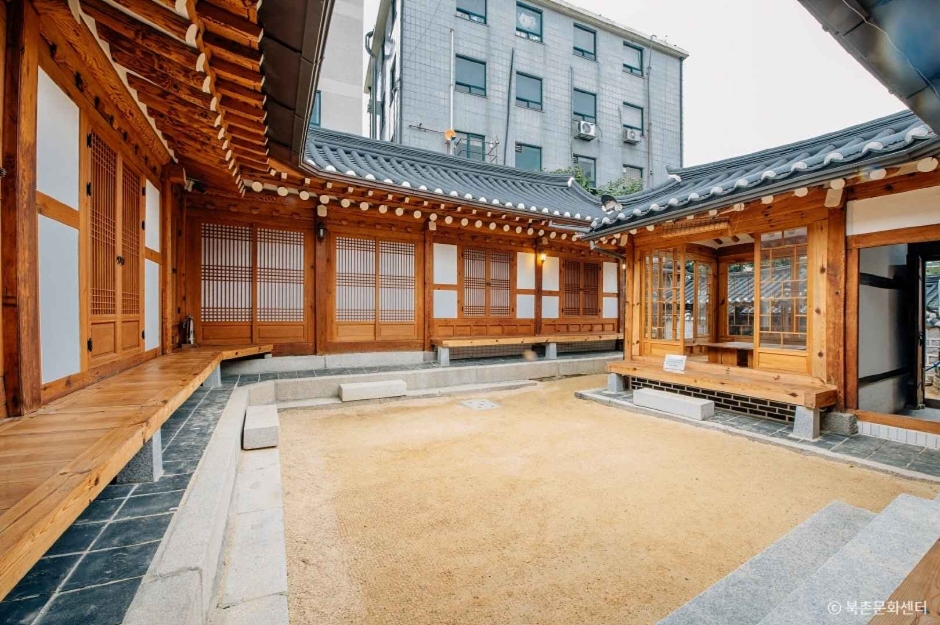
Bukchon Cultural Center, located in a hanok, was established to offer traditional cultural experience opportunities for visitors to the area. The programs include tea ceremony, handicraft, and gugak as well as a Public Relations Exhibition Hall introducing Bukchon culture and hanok. Also, the center houses a space and a pavilion for visitors to relax while traveling.
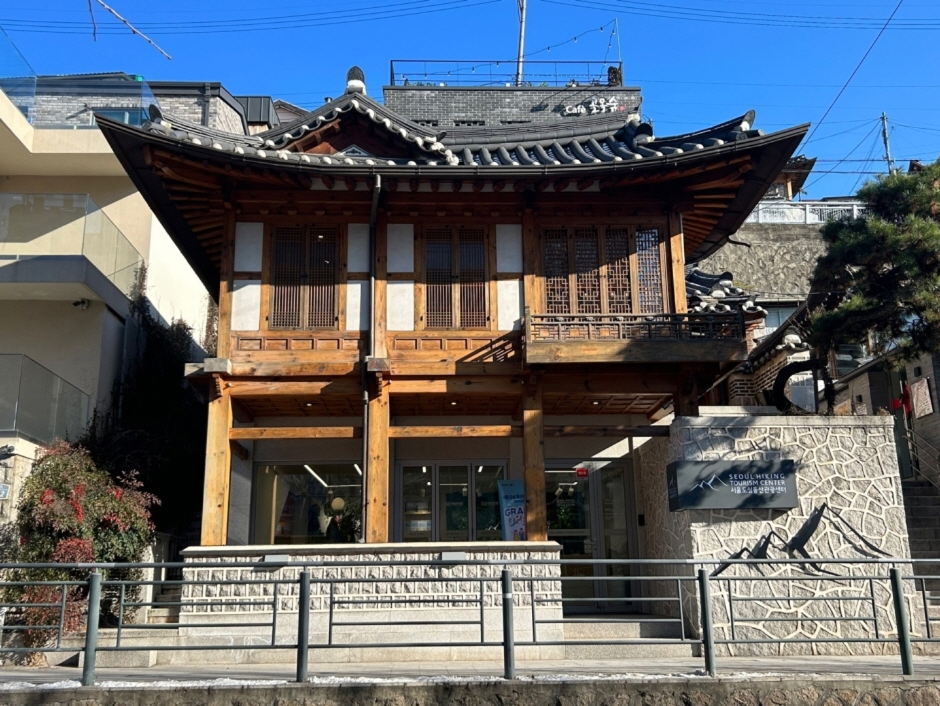
⊙ Seoul Hiking Tourism Center – Bugaksan Branch (서울도심등산관광센터(북악산))
View detailed guide on Korea Trip Guide →
– Homepage
www.instagram.com/seoulhikingtourism_official: Visit site
The Bugaksan branch of Seoul Hiking Tourism Center is located on Samcheong-dong Culture Street and provides various services to hikers. It provides hiking course guidance and information (available in Korean, English, Chinese, and Japanese) about the mountains of Seoul, including Bukhansan, Bugaksan, and Inwangsan Mountains, as well as promotional materials such as Seoul hiking tourism guidebooks and maps. Also, it operates hiking tour programs with various themes every week for foreigners and offers hiking gear rental services such as hiking boots, hiking attire, trekking poles, gloves, and crampons for foreigners. (Koreans accompanied by foreigners can also rent the gear.) In addition, there is a storage locker and lounge for visitors, so they can pack up and rest before hiking.
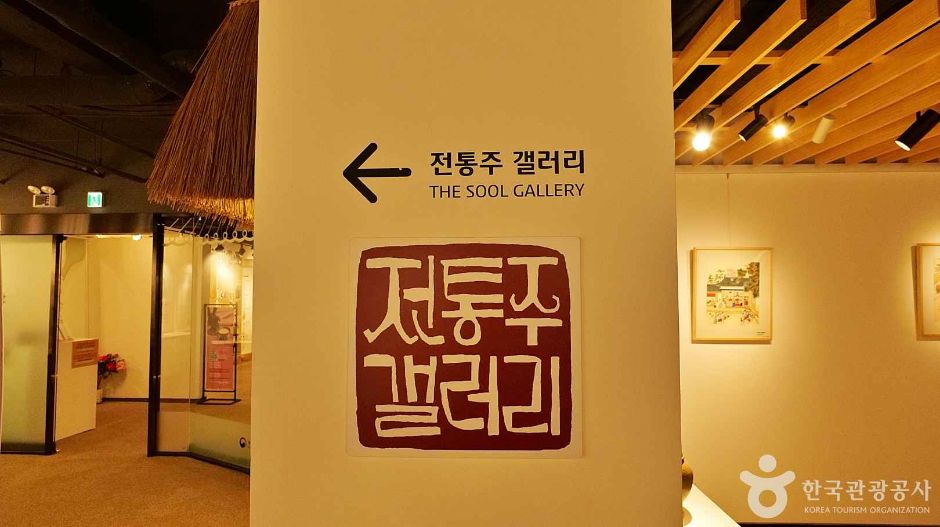
⊙ The Sool Gallery (전통주갤러리)
View detailed guide on Korea Trip Guide →
– Homepage
thesool.com: Visit site
The Sool Gallery is an exhibition and experience space for traditional Korean liquor, established to promote the taste, style, and cultural values of the time-honored traditional Korean liquor. It provides various information about traditional Korean liquor for consumers or international tourists who can rarely obtain such information elsewhere. In addition, it provides traditional liquor education and business counseling to food service businesses and sales experts to continuously create demand for traditional liquor and expand the market. It is run by experts specializing in traditional liquor, including traditional liquor sommeliers, and it holds events to introduce various traditional liquors with different themes every month, as well as tasting events. Moreover, according to the monthly changing “Recommended Traditional Liquor by Month,” it displays a drinking glass and a bottle of the month recommended by the Korea Craft & Design Foundation.
](https://ktrip.blogsailing.com/wp-content/uploads/2026/05/4022157_image2_1.jpg)

](https://ktrip.blogsailing.com/wp-content/uploads/2026/06/4028585_image2_1.jpg)

6 Comments