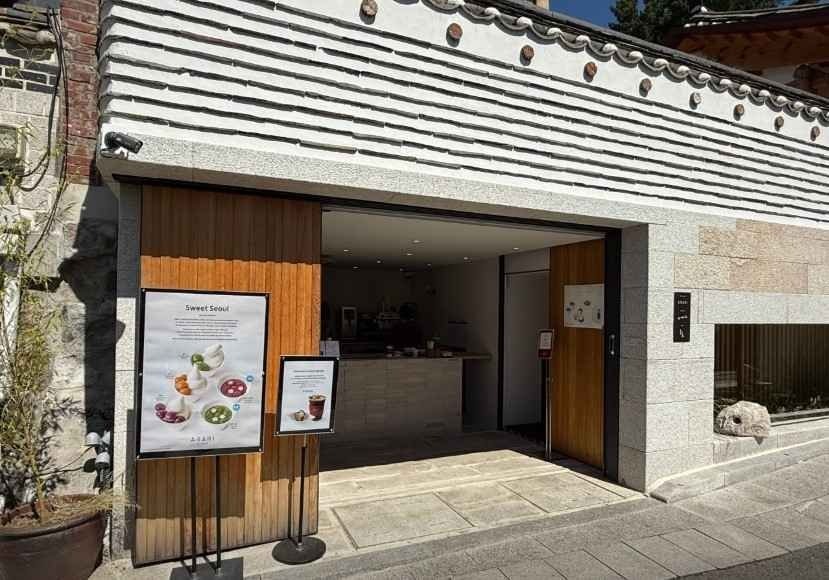
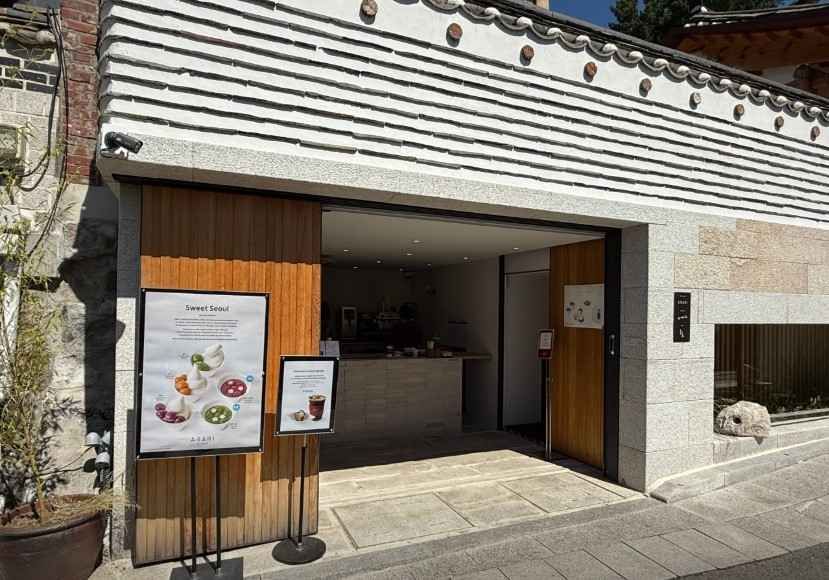
Kwangjuyo Bukchon Branch[Tax Refund Shop](광주요 북촌점)
Kwangjuyo Bukchon Branch[Tax Refund Shop](광주요 북촌점)
 – Homepage
ekwangjuyo.com
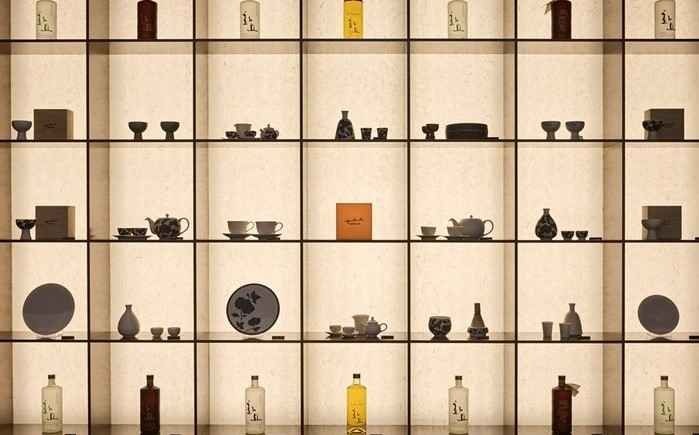
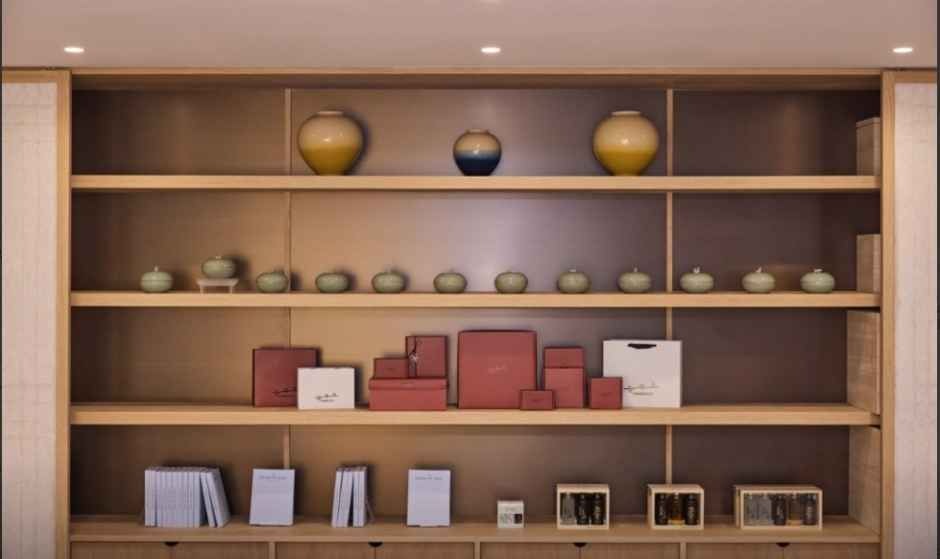
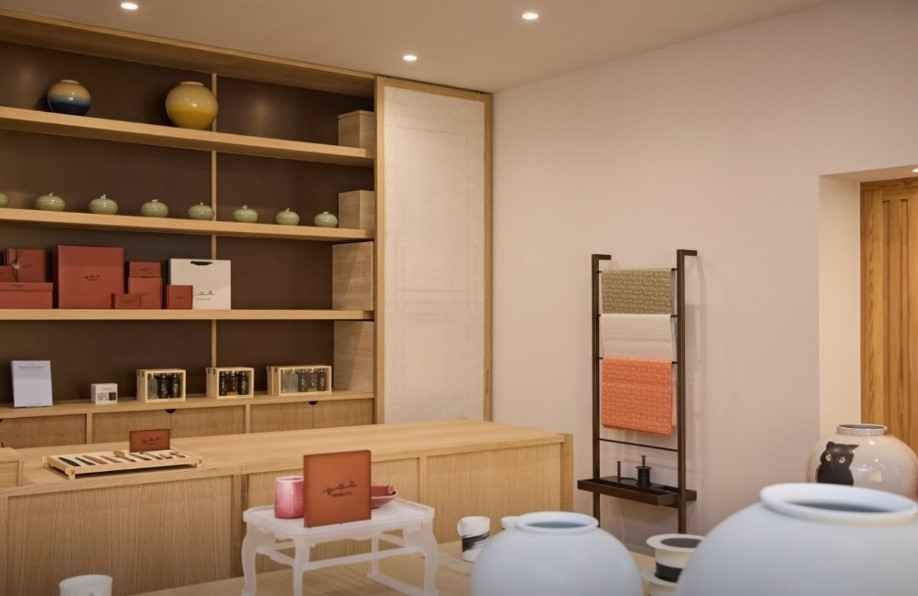
Kwangjuyo is a premium ceramic brand that inherits and modernizes the tradition of Korean ceramic culture, elevating the dignity of the dining table. Through neat and elegant tableware crafted by artisans’ hands, it delivers the values and mood of Korean aesthetics.
– Address : B1, 60-3, Bukchon-ro 11-gil, Jongno-gu, Seoul
※ Presentation Information
– Fair Day
Monday – Sunday
– Information and Guides
070-4112-4994
– Opening Hours
10:00~17:00
– Day Off
Seollal (Lunar New Year’s Day) & Chuseok (Korean Thanksgiving Day) holidays
– Parking
Not available
– Restroom
Not available
– Items for Sale
Traditional crafts / ceramics / wooden crafts / other handicrafts
◎ Nearby Tourism Infobox
⊙ GRANDHAND. Gahoe (그랑핸드 가회점)
View detailed guide on Korea Trip Guide →
– Homepage
granhand.com
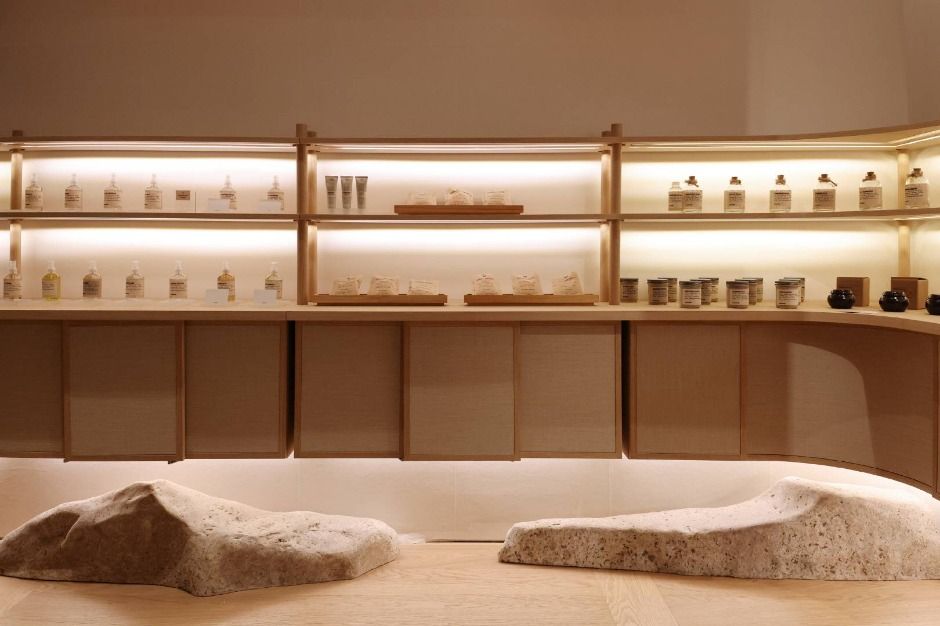
Launched in 2014 at a small hanok in Bukchon Hanok Village, this Korean perfume brand now has nine stores around Seoul. With no advertisements or online sales, GRANDHAND has preserved its roots for years. GRANDHAND. Gahoe located amidst the beautiful surroundings of Bukchon Hanok Village and various art museums has customers of all ages and nationalities.
⊙ Bukchon Museum (북촌생활사박물관)
View detailed guide on Korea Trip Guide →
– Homepage
cafe.daum.net/namu3579
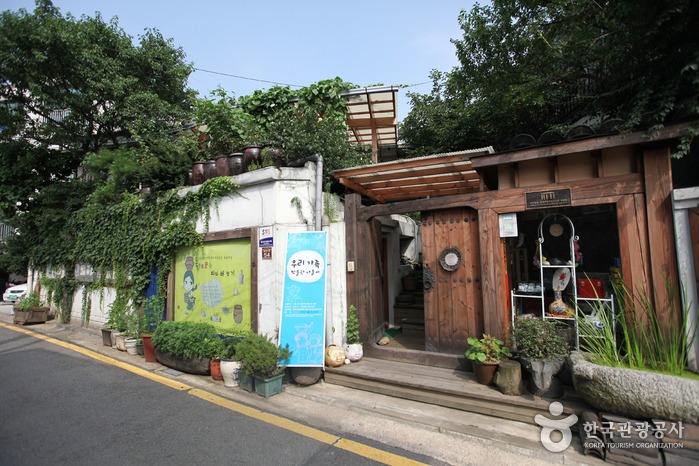
The Bukchon Museum displays items that have been collected from Bukchon, a historical village that was once home to the nation’s nobility. The museum was founded to observe urban development that took place in the recent decades through collected and preserved veryday household items that were used by Bukchon residents. Visitors are even allowed to touch items on display to better be able to imagine life in Korea before industrialization.
⊙ Seoul Hiking Tourism Center – Bugaksan Branch (서울도심등산관광센터(북악산))
View detailed guide on Korea Trip Guide →
– Homepage
www.instagram.com/seoulhikingtourism_official
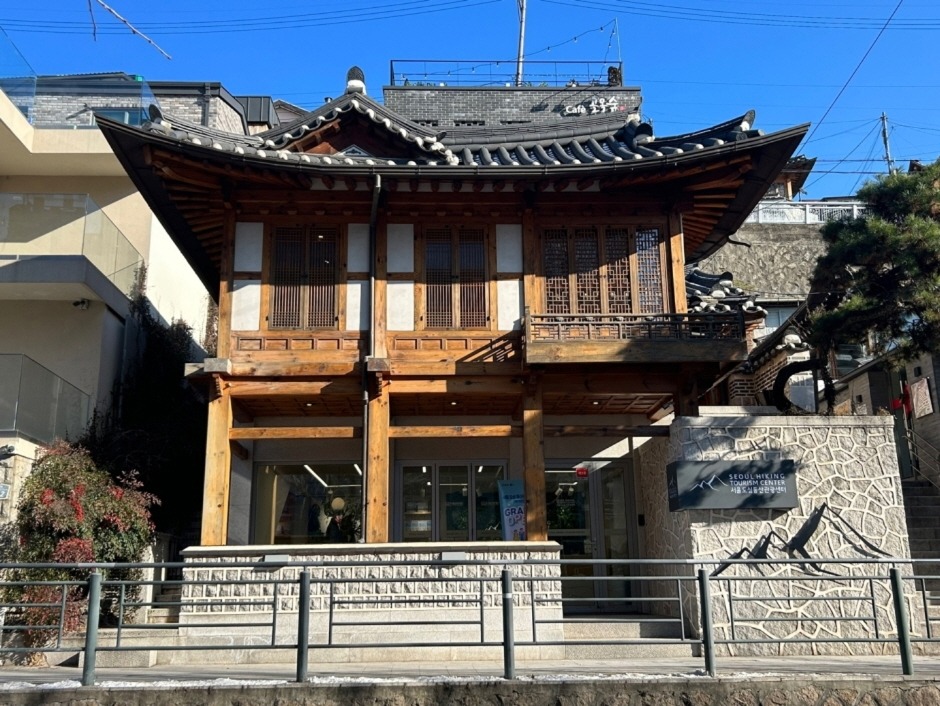
The Bugaksan branch of Seoul Hiking Tourism Center is located on Samcheong-dong Culture Street and provides various services to hikers. It provides hiking course guidance and information (available in Korean, English, Chinese, and Japanese) about the mountains of Seoul, including Bukhansan, Bugaksan, and Inwangsan Mountains, as well as promotional materials such as Seoul hiking tourism guidebooks and maps. Also, it operates hiking tour programs with various themes every week for foreigners and offers hiking gear rental services such as hiking boots, hiking attire, trekking poles, gloves, and crampons for foreigners. (Koreans accompanied by foreigners can also rent the gear.) In addition, there is a storage locker and lounge for visitors, so they can pack up and rest before hiking.
⊙ Samcheong-dong Street (삼청동길)
View detailed guide on Korea Trip Guide →
– Homepage
www.visitseoul.net
It is said that Samcheong-dong was named from the story about the three “cheong” (Chinese character meaning clean) of the area, namely the mountain, water, and people. Another theory is that the origin of the region’s name came from Samcheongjeon Hall where three tablets called “Taecheong,” “Sangcheong,” and “Okcheong,” were set up based on Taoism. Samcheong-dong Street features a mixture of old scenes of hanok buildings with traditional beauty and modern scenes of galleries and cafés, creating a unique atmosphere. Visitors can feel the abundant cultural mood at every corner of the street through the art galleries, museums, antique shops, and quiet pathways.
⊙ Danha(단하)
View detailed guide on Korea Trip Guide →
– Homepage
https://www.danhaseoul.com
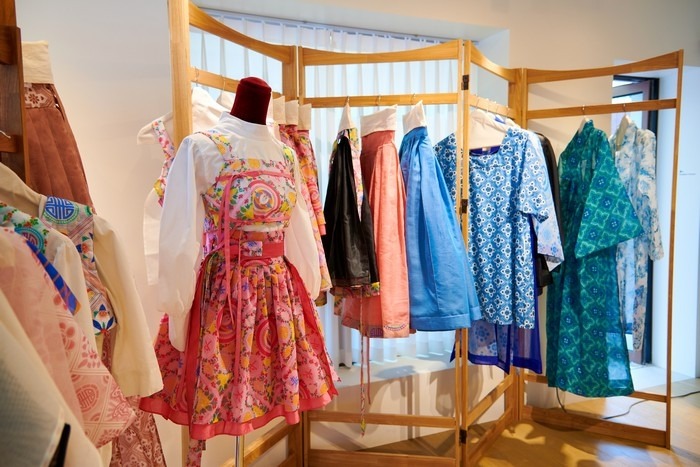
BLACKPINK’s “HOW YOU LIKE THAT” music video created a sensation, reaching 100 million views within 32 hours of its release. The most noteworthy part of the music video was the hanbok they wore. Danha, which was in charge of making the costumes, improved the traditional hanbok and completely recreated it as a stage costume, garnering attention from all over the world. Danha is famous for designing hanboks using traditional patterns. The patterns engraved on the clothes in the BLACKPINK music video used the phoenix design pattern of the royal cloth. Danha’s hanbok can be purchased through the online shop, and if you want to have it custom-made, you can visit Danha Maison after making a reservation.
⊙ Woo Joo Yon Clinic (우주연한의원)
View detailed guide on Korea Trip Guide →
Woojooyon Clinic takes an integrative approach considering the patient’s overall health. Rather than merely treating the affected area, we listen to the patient’s story, understand their daily life, and focus on identifying and correcting the root causes of imbalances in the body. Our goal is to pursue true healing and happiness by treating with a delicate touch that connects with the patient’s soul. We aim to restore the body to its original state, ensuring a holistic examination of both body and mind, as well as habits and personality. Woojooyon Clinic is committed to helping patients regain a healthy life by applying the wisdom of traditional Korean medicine. We value our relationships with patients and strive to always do our best.
⊙ Dong-Lim Knot Museum (동림매듭박물관)
View detailed guide on Korea Trip Guide →
– Homepage
www.shimyoungmi.com
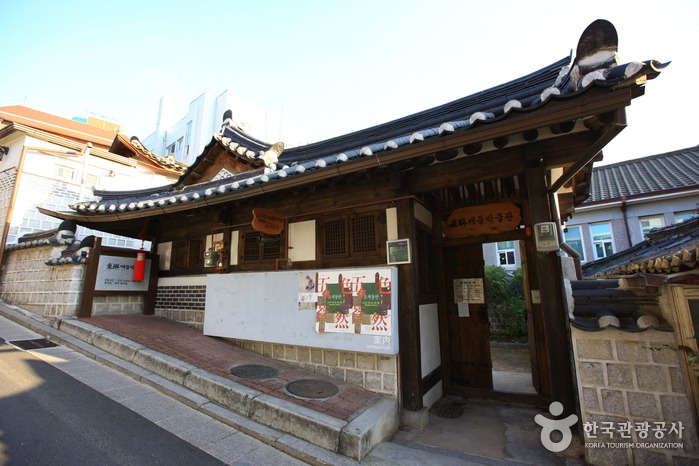
Opened in April 2004, Dong-Lim Knot Museum exhibits a variety of decorative traditional Korean maedeup (knots): norigae for hanbok, belts, pouches, as well as materials like thread, cord, and accessories. Housed in a hanok, a traditional Korean house, the gallery has a variety of exhibits, including old and new artwork, and creations that reflect modern trends.
⊙ Gahoe Museum (가회민화박물관)
View detailed guide on Korea Trip Guide →
– Homepage
http://www.gahoemuseum.org/
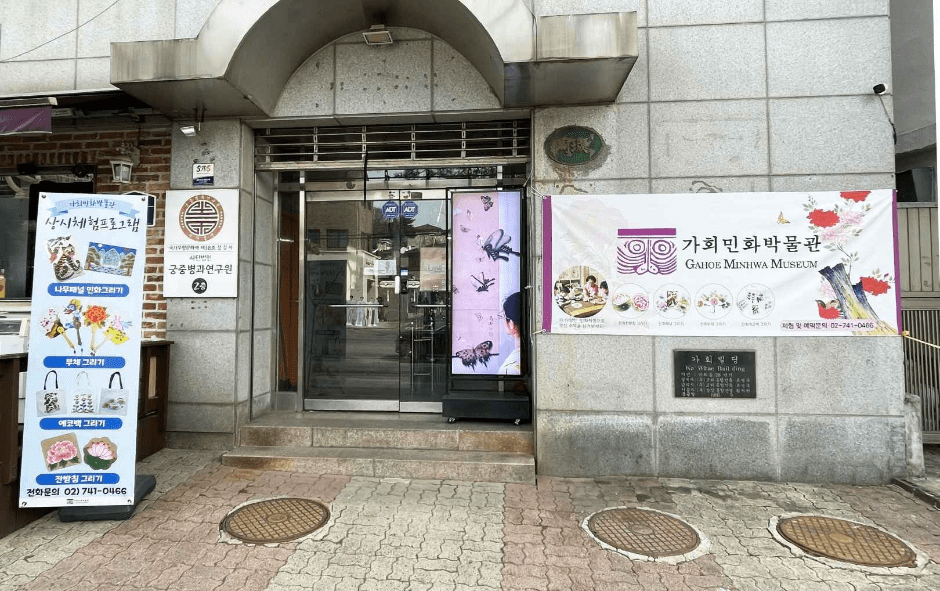
Opened in 2002, Gahoe Museum exhibits folk paintings and amulets reflecting the lifestyle and wishes of the Korean people from ancient times. Inside the Hanok gallery, visitors can immerse themselves in the traditions of Korea, including old paintings depicting people’s lifestyle in the past and religious beliefs, and roof tiles in the shape of humans or goblins. Visitors will also find folding screens and religious objects used in the past that show skills and knowledge of Korean ancestors.
⊙ Choong Ang High School (중앙고등학교)
View detailed guide on Korea Trip Guide →
– Homepage
tour.jongno.go.kr (Korean, English, Japanese, Chinese)
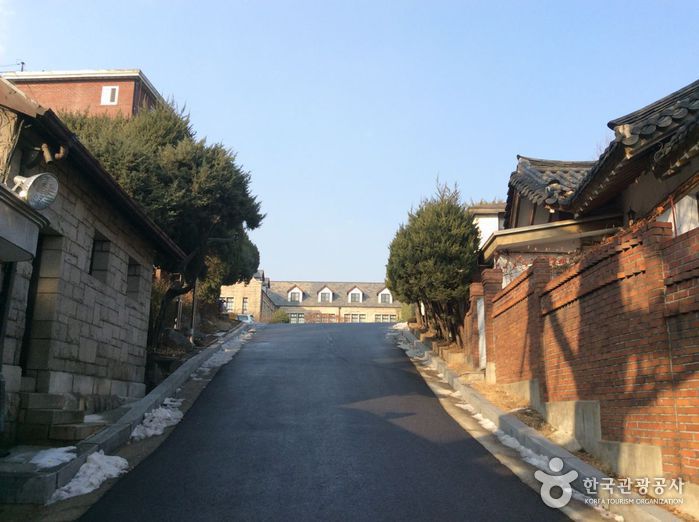
Choong Ang High School is located in Jong-ro near Samcheongdong-gil. It was built to educate the public at the beginning of the 20th century. The school’s main building was reconstructed in 1937 after the original two-story brick house was destroyed in 1934. The main building situated in front of the main gate is a two-story H-shaped granite stone building in Gothic style, with a four-story tower in the middle.
The school holds historical significance because it was designed by Park Dong Jin, one of Korea’s first modern architects and the designer of Korea University’s main building, library, and the Chosun Ilbo Newspaper Company building. The main building of Choong Ang High School is designated as Historic Site No. 281. Many national leaders were educated at the gothic building during the grim period when Korea was trying to escape Japanese colonial rule.
⊙ PKM Gallery (PKM갤러리)
View detailed guide on Korea Trip Guide →
– Homepage
www.pkmgallery.com
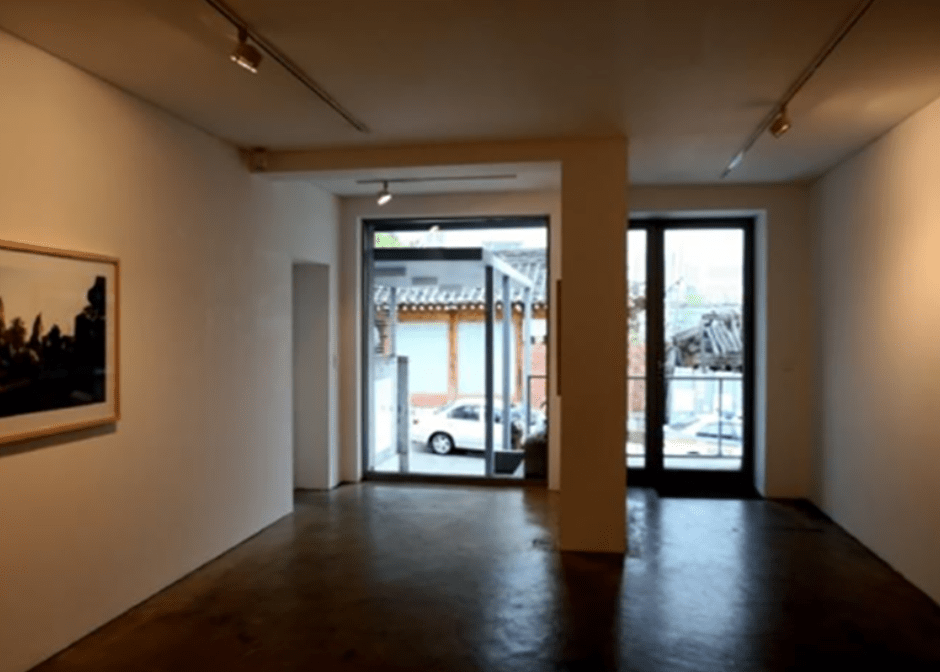
PKM Gallery, now providing 397 square meters of exhibition space, includes a main building with a maximum x_height of 5.5 meters comprising two upper stories and a two-story basement. PKM+, an annex built in 2018, has one upper story and a basement floor and is equipped with a boutique-like gallery space.
The gallery not only exhibits the works of leading figures in Korean contemporary art, but has also succeeded in introducing renowned international artists to the Korean audience. As an incubator for emerging young artists, PKM Gallery has been organizing exhibitions to encourage their growth as leading artists of the next generation. PKM gallery, the first among the Korean galleries invited to participate in the Frieze Art Fair in 2004, played a major role in advancing Korean contemporary art to the global art market.
](https://ktrip.blogsailing.com/wp-content/uploads/2026/03/4028703_image2_1.jpg)
![Åland – Starfield COEX Mall Branch [Tax Refund Shop] (에이랜드 스타필드 코엑스몰점)](https://ktrip.blogsailing.com/wp-content/uploads/2026/04/4043865_image2_1.jpg)
](https://ktrip.blogsailing.com/wp-content/uploads/2026/05/4028394_image2_1.jpg)