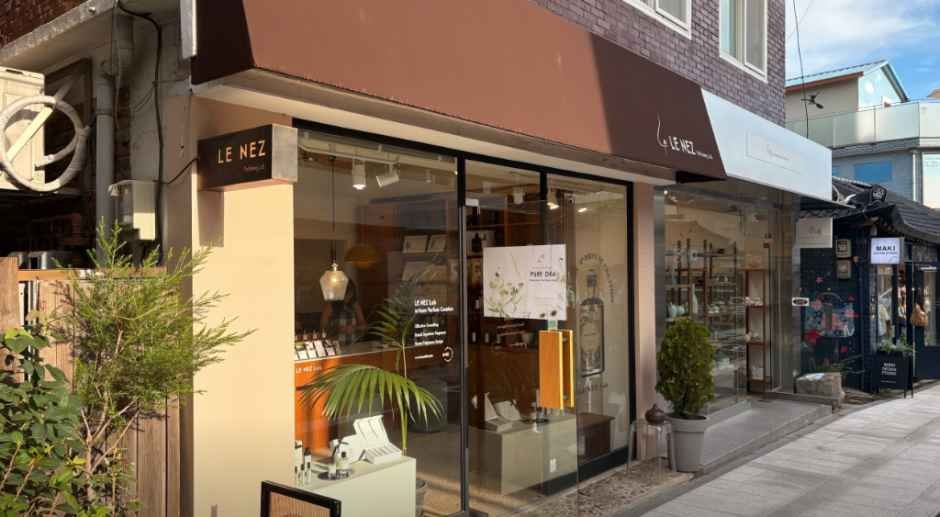
LE NEZ Lab[Tax Refund Shop](르네랩)
LE NEZ Lab[Tax Refund Shop](르네랩)
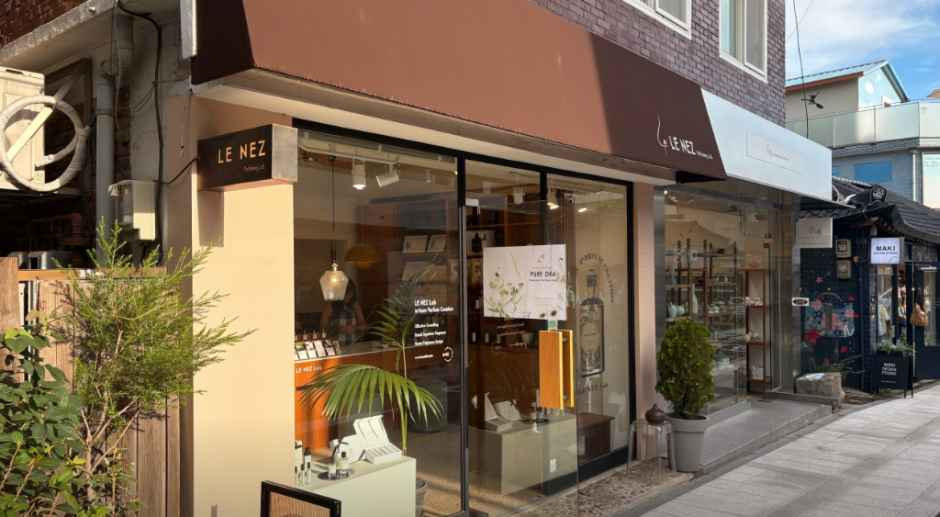 RENE LAB is a high-functional cosmeceutical brand that awakens the skin’s inherent vitality, as its name suggests ‘rebirth.’ Based on proprietary ingredient analysis by professional researchers, it provides innovative beauty solutions that erase the traces of time and return skin to a clear and elastic state.
– Address : 96, Gyedong-gil, Jongno-gu, Seoul
※ Presentation Information
– Fair Day
Monday – Saturday
– Information and Guides
0507-1489-3110
– Opening Hours
10:00~18:00
– Day Off
Seollal (Lunar New Year’s Day) & Chuseok (Korean Thanksgiving Day) holidays, Designated Closing Day
– Parking
Not available
– Restroom
Not available
– Items for Sale
Perfume / cosmetics
◎ Nearby Tourism Infobox
⊙ Dong-Lim Knot Museum (동림매듭박물관)
View detailed guide on Korea Trip Guide →
– Homepage
www.shimyoungmi.com
– Tel
+82-2-3673-2778
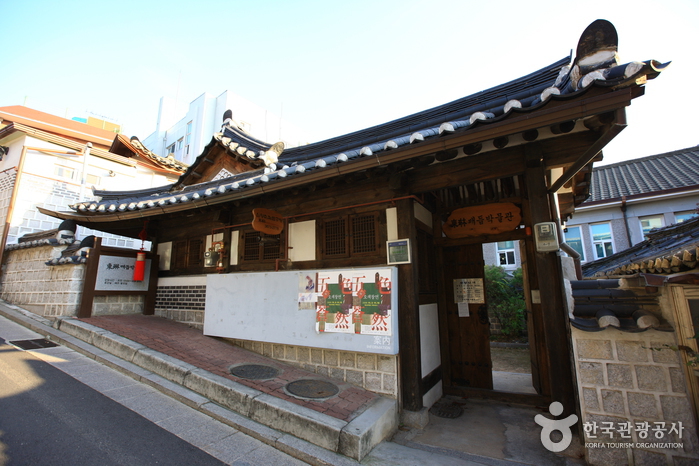
Opened in April 2004, Dong-Lim Knot Museum exhibits a variety of decorative traditional Korean maedeup (knots): norigae for hanbok, belts, pouches, as well as materials like thread, cord, and accessories. Housed in a hanok, a traditional Korean house, the gallery has a variety of exhibits, including old and new artwork, and creations that reflect modern trends.
⊙ Gahoe Museum (가회민화박물관)
View detailed guide on Korea Trip Guide →
– Homepage
http://www.gahoemuseum.org/
– Tel
+82-2-741-0466
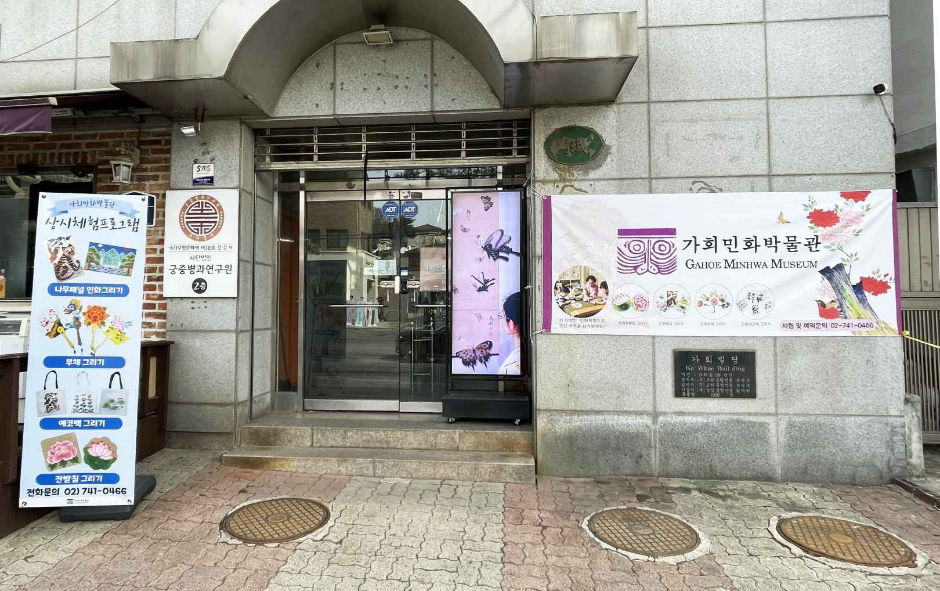
Opened in 2002, Gahoe Museum exhibits folk paintings and amulets reflecting the lifestyle and wishes of the Korean people from ancient times. Inside the Hanok gallery, visitors can immerse themselves in the traditions of Korea, including old paintings depicting people’s lifestyle in the past and religious beliefs, and roof tiles in the shape of humans or goblins. Visitors will also find folding screens and religious objects used in the past that show skills and knowledge of Korean ancestors.
⊙ Woo Joo Yon Clinic (우주연한의원)
View detailed guide on Korea Trip Guide →
Woojooyon Clinic takes an integrative approach considering the patient’s overall health. Rather than merely treating the affected area, we listen to the patient’s story, understand their daily life, and focus on identifying and correcting the root causes of imbalances in the body. Our goal is to pursue true healing and happiness by treating with a delicate touch that connects with the patient’s soul. We aim to restore the body to its original state, ensuring a holistic examination of both body and mind, as well as habits and personality. Woojooyon Clinic is committed to helping patients regain a healthy life by applying the wisdom of traditional Korean medicine. We value our relationships with patients and strive to always do our best.
⊙ Rakkojae Seoul Bukchon Hanok Hotel (락고재 서울 북촌 한옥호텔)
View detailed guide on Korea Trip Guide →
– Homepage
http://www.rakkojae.com
– Tel
+82-2-742-3410
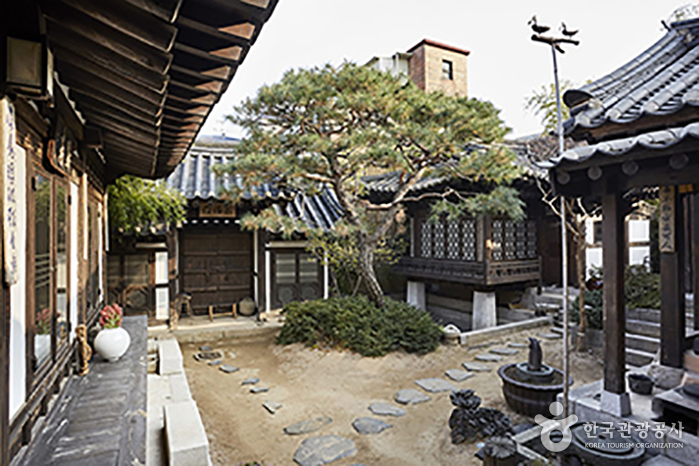
Rakgojae Bukchon Hanok Hotel in Jongru-gu, Seoul, is a traditional hanok compound with a 130-year history, renovated by master carpenter Jeong Yeong-jin. The elegant gate and stone walls, the traditional roof tiles, the jangdokdae jar store, the pavilions and ponds – not to mention the beautiful pine trees – express the archetypal beauty of hanok. Sitting on the daecheongmaru (wooden patio) with a breeze in the trees, guests will feel taken back in time. Guestrooms are clean and comfortable, and visitors can relax in a wood-fired red-clay sauna and a jade-covered ondol room,. Traditional culture programs are available.
⊙ The Place Seoul (traditional Korean-style guesthouse) / 복합한옥공간 곳
View detailed guide on Korea Trip Guide →
– Homepage
http://www.theplaceseoul.com
– Tel
+82-10-3255-1289
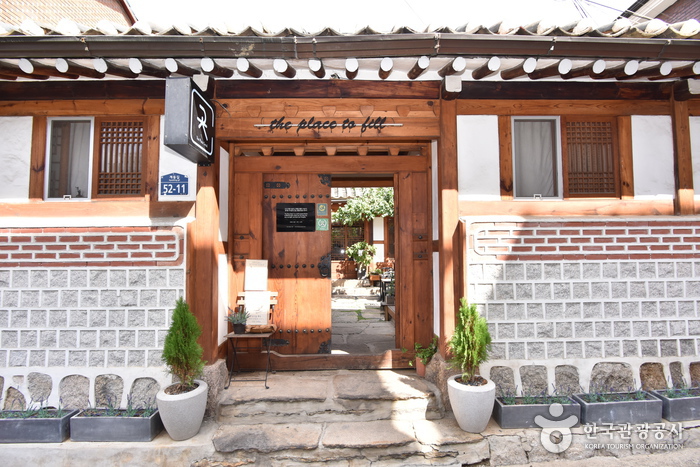
The Place Seoul in Gye-dong, Jongno-gu, Seoul, is a meeting place of traditional and modern Korea. It has a yard with a beautiful 80 year-old dogwood tree, and a small garden in which guests can enjoy the passage of the seasons. The Place Seoul is an environment-friendly place which uses eco-friendly consumables such as toilet paper and shampoo. Breakfast is simple and healthy. There are many good cafes in nearby Bukchon, and local tourist attractions include the National Palace Museum of Korea and the National Museum of Modern and Contemporary Art.
⊙ Bukchon Hanok Village (북촌한옥마을)
View detailed guide on Korea Trip Guide →
– Homepage
hanok.seoul.go.kr (Korean, English, Japanese, Chinese)
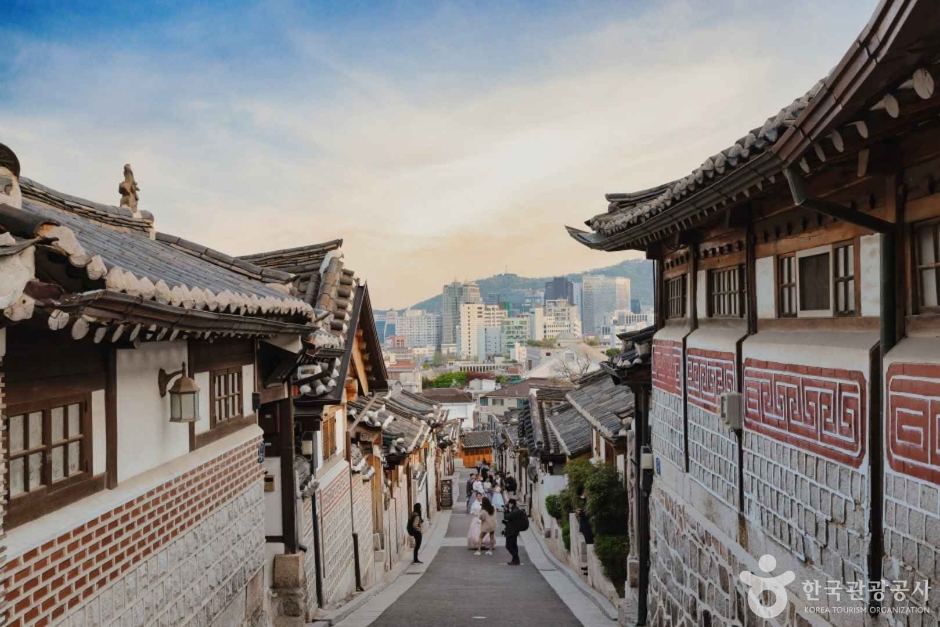
Surrounded by Gyeongbokgung Palace, Changdeokgung Palace and Jongmyo Shrine, Bukchon Hanok Village is home to hundreds of traditional houses, called hanok, that date back to the Joseon dynasty. The name Bukchon, which literally translates to “northern village,” came about as the neighborhood lies north of two significant Seoul landmarks, Cheonggyecheon Stream and Jongno. Today, many of these hanoks operate as cultural centers, guesthouses, restaurants and tea houses, providing visitors with an opportunity to experience, learn and immerse themselves in traditional Korean culture. As Bukchon Hanok Village is an actual neighborhood with people’s homes, visitors are advised to be respectful at all times while looking around.
⊙ Choong Ang High School (중앙고등학교)
View detailed guide on Korea Trip Guide →
– Homepage
tour.jongno.go.kr (Korean, English, Japanese, Chinese)
– Tel
+82-2-742-1321
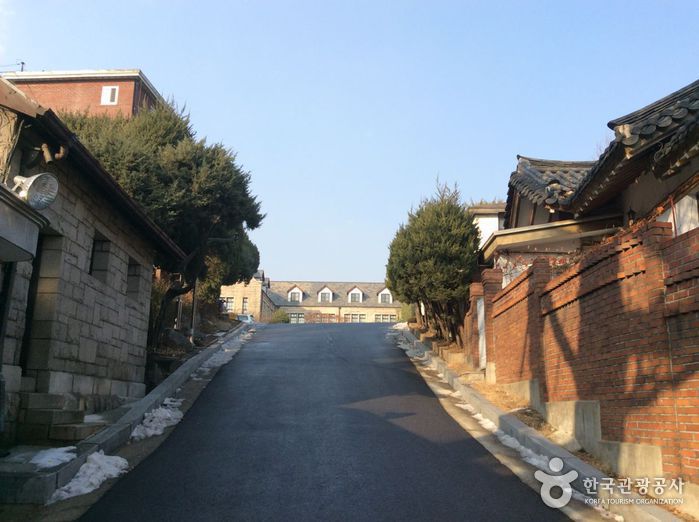
Choong Ang High School is located in Jong-ro near Samcheongdong-gil. It was built to educate the public at the beginning of the 20th century. The school’s main building was reconstructed in 1937 after the original two-story brick house was destroyed in 1934. The main building situated in front of the main gate is a two-story H-shaped granite stone building in Gothic style, with a four-story tower in the middle.
The school holds historical significance because it was designed by Park Dong Jin, one of Korea’s first modern architects and the designer of Korea University’s main building, library, and the Chosun Ilbo Newspaper Company building. The main building of Choong Ang High School is designated as Historic Site No. 281. Many national leaders were educated at the gothic building during the grim period when Korea was trying to escape Japanese colonial rule.
⊙ Baek In-je House (백인제가옥)
View detailed guide on Korea Trip Guide →
– Homepage
www.museum.seoul.kr
– Tel
+82-2-724-0200
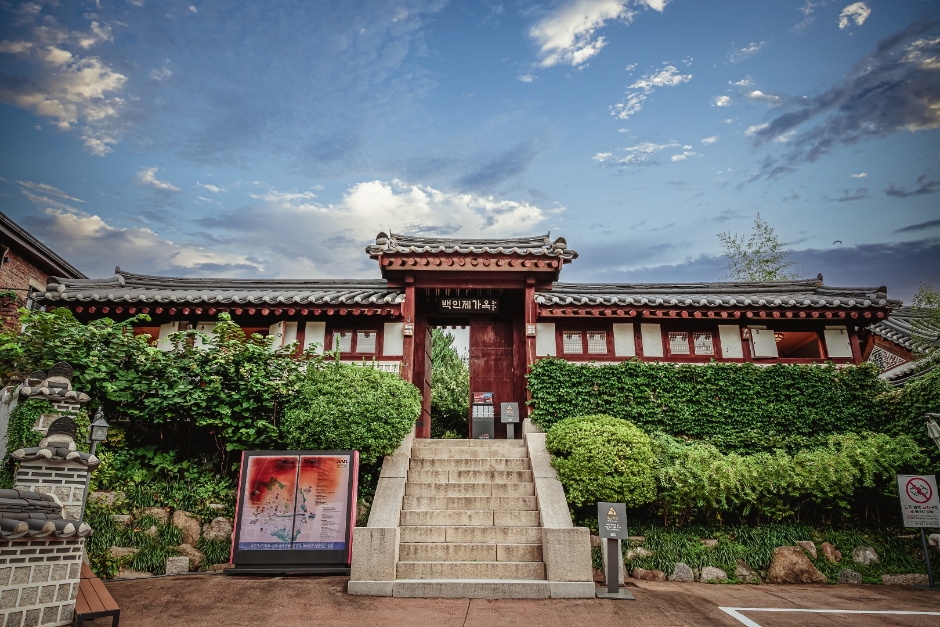
Baek In-je House, located in Bukchon Hanok Village, is a hanok built during the Japanese administration period that portrays modern hanok features. The structure consists of a main room offering a good view of the whole village, spacious bedrooms, a large garden, and annex buildings. As it maintains the beauty of a traditional hanok while incorporating the modern trend of its time, Baek In-je House is considered to be highly valuable in means of both architecture and history, representing the Bukchon Hanok Village together with Yun Bo-seon House.
Baek In-je House was built from black pine, which was first introduced in Seoul during the Gyeongseong Expo in 1907, distinguishing itself from other upper-class houses of its time. Unlike other traditional hanok designs that separate the main building from the other rooms, Baek In-je House connects the two with a hallway, allowing convenient access between the two structures. The house also consists of a Japanese-style hallway and floor mat rooms, reflecting the interior trends of that period. Baek In-je House is also unique in that the main room is partially built as a two-story structure, a style that was never seen in any traditional hanok built during the Joseon period.
⊙ Public Hanok Night Out (공공한옥 밤마실)
View detailed guide on Korea Trip Guide →
– Homepage
hanok.seoul.go.kr
– Tel
+82-2-741-1033
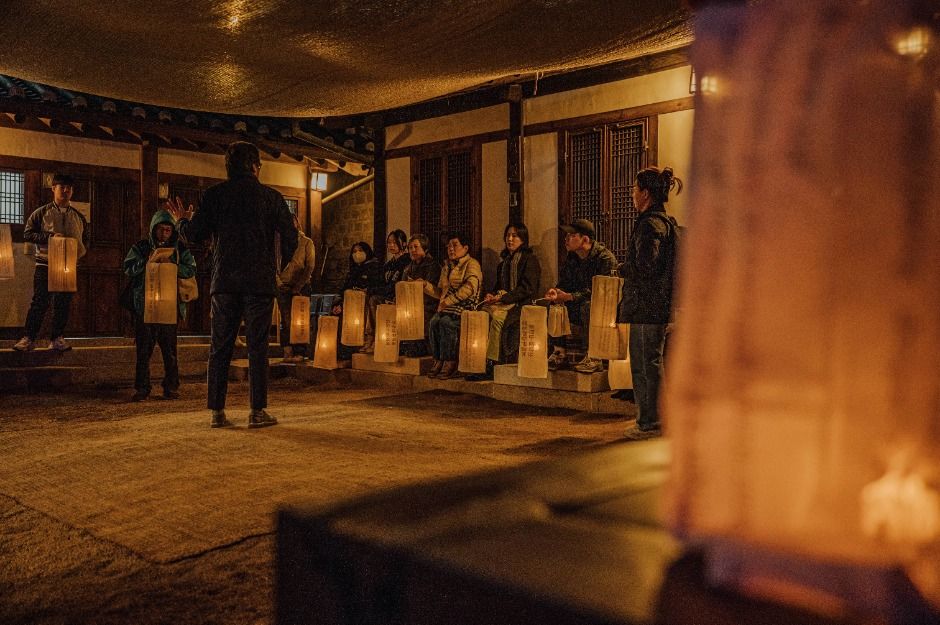
Public Hanok Night Out is a special evening event that allows limited access to the nine public hanok buildings, including the Bukchon Culture Center, after sundown. The event is carefully prepared to make the hanok buildings accessible as much as possible. In addition, the event also offers a variety of programs to entertain the visitors. The event aims to raise awareness about embracing differences and diverse values during this time of ever-changing global society, as well as expand the the cultural values of hanok as something more unique.
⊙ Bukchon Son Mandu Bukchon Branch (북촌손만두 북촌점)
View detailed guide on Korea Trip Guide →
– Homepage
http://mandoo.so
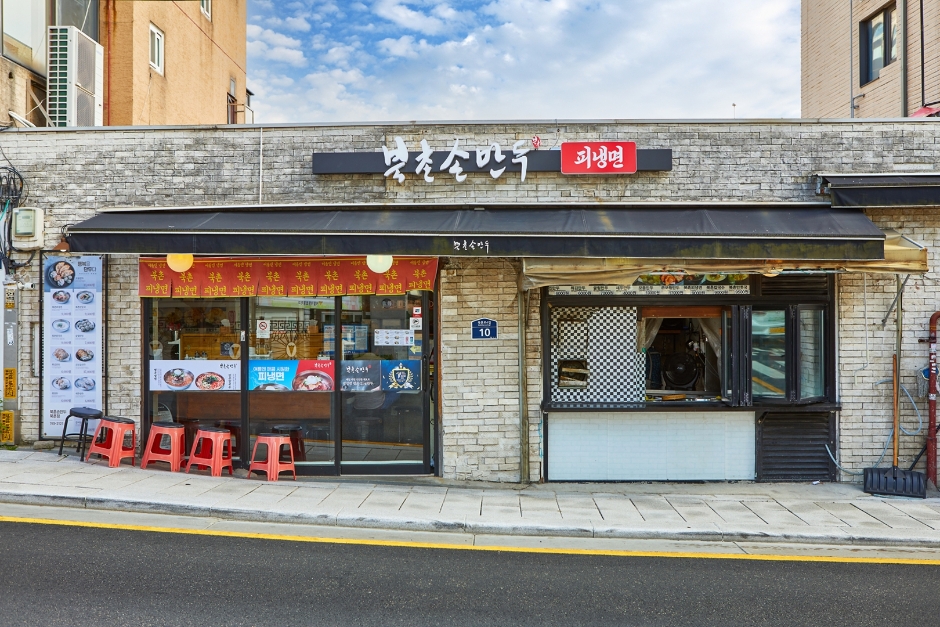
This third-generation family-owned handmade mandu restaurant has been in business since 1953. Its handmade mandu bears the tradition of nearly 70 years. This restaurant distinguishes itself above others with its unique expertise in the art of mandu-making and fresh ingredients, capturing deep flavors with care in each mandu. A full spread of mandu is available here, from steamed mandu to thin-skin mandu, deep-fried mandu, shrimp mandu, and galbi mandu, which can be ordered in individual pieces or as an assorted package. Mandu and noodles go perfectly together, and here, visitors can enjoy mandu with cold buckwheat noodles or noodle soup. The most recommended menu is the noodle soup, which serves thick, plump noodles in warm broth. But that does not mean that the cold buckwheat noodles are lacking: cold buckwheat noodles are served in a cool, red kimchi broth.
](https://ktrip.blogsailing.com/wp-content/uploads/2026/03/4022049_image2_1.jpg)
](https://ktrip.blogsailing.com/wp-content/uploads/2026/04/4043122_image2_1.jpg)
](https://ktrip.blogsailing.com/wp-content/uploads/2026/05/4018220_image2_1.jpg)
![Snow Peak – Hyundai Outlet Garden Five Branch [Tax Refund Shop] (스노우피크 현대아울렛 가든파이브점)](https://ktrip.blogsailing.com/wp-content/uploads/2026/04/4043430_image2_1.jpg)
![Muji- IPARK Mall Yongsan Branch [Tax Refund Shop] (MUJI 아이파크몰 용산점)](https://ktrip.blogsailing.com/wp-content/uploads/2026/03/4017992_image2_1.jpg)