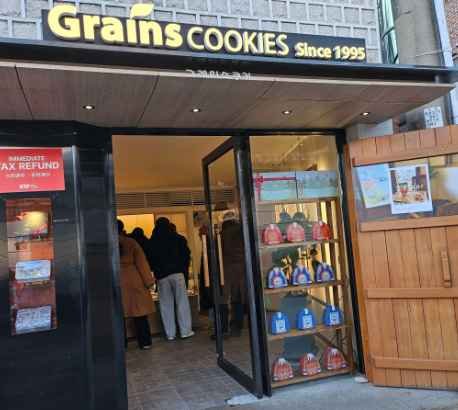
Grainscookie Bukchon Branch[Tax Refund Shop](그래인스쿠키 북촌점)
Grainscookie Bukchon Branch[Tax Refund Shop](그래인스쿠키 북촌점)
 – Homepage
grains.co.kr
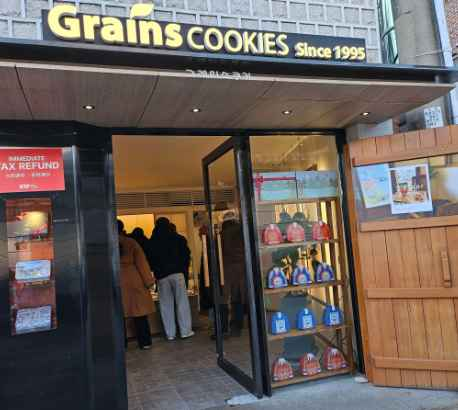
Grains Cookies is a premium cookie brand boasting healthy and clean tastes using carefully selected grain ingredients. Through honest ingredients and devoted baking, it presents a high-class dessert culture that the whole family can enjoy with peace of mind.
– Address : 1, Bukchon-ro 11na-gil, Jongno-gu, Seoul
※ Presentation Information
– Fair Day
Monday – Sunday
– Opening Hours
10:00~17:00
– Day Off
Seollal (Lunar New Year’s Day) & Chuseok (Korean Thanksgiving Day) holidays
– Parking
Not available
– Restroom
Available
– Items for Sale
Food products
◎ Nearby Tourism Infobox
⊙ GRANDHAND. Gahoe (그랑핸드 가회점)
View detailed guide on Korea Trip Guide →
– Homepage
granhand.com
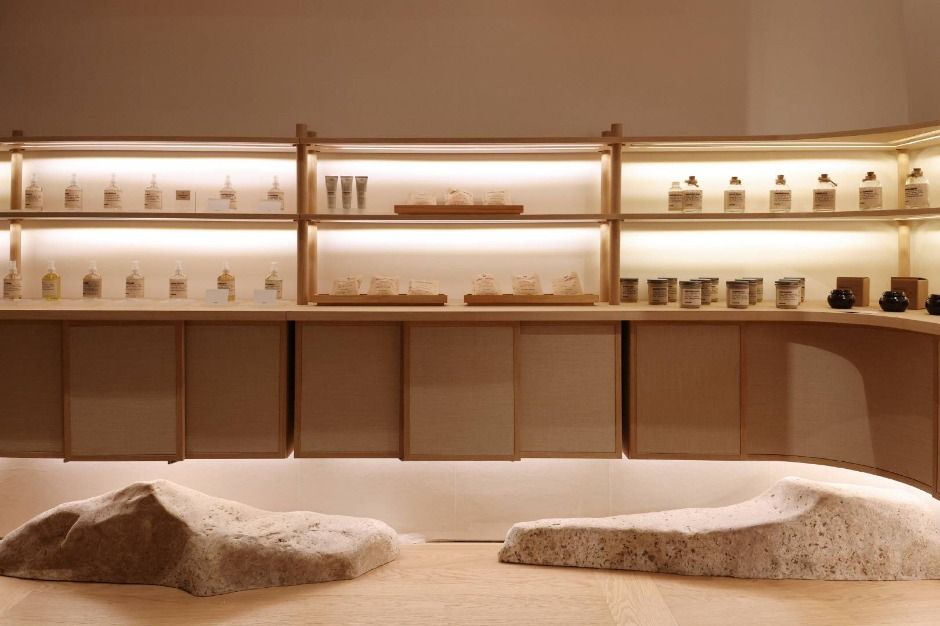
Launched in 2014 at a small hanok in Bukchon Hanok Village, this Korean perfume brand now has nine stores around Seoul. With no advertisements or online sales, GRANDHAND has preserved its roots for years. GRANDHAND. Gahoe located amidst the beautiful surroundings of Bukchon Hanok Village and various art museums has customers of all ages and nationalities.
⊙ Seoul Hiking Tourism Center – Bugaksan Branch (서울도심등산관광센터(북악산))
View detailed guide on Korea Trip Guide →
– Homepage
www.instagram.com/seoulhikingtourism_official
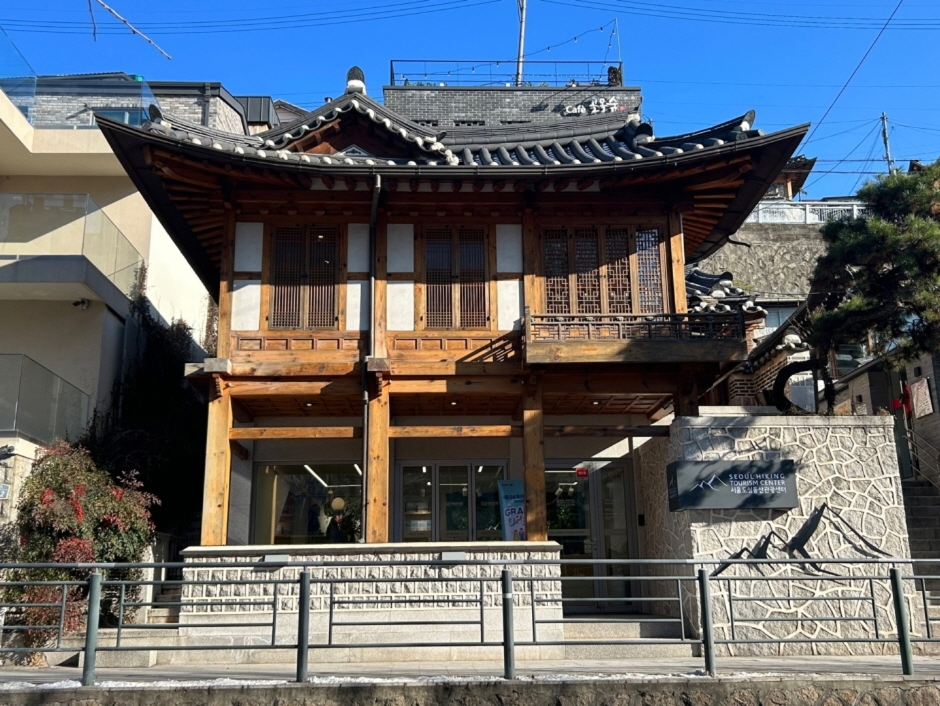
The Bugaksan branch of Seoul Hiking Tourism Center is located on Samcheong-dong Culture Street and provides various services to hikers. It provides hiking course guidance and information (available in Korean, English, Chinese, and Japanese) about the mountains of Seoul, including Bukhansan, Bugaksan, and Inwangsan Mountains, as well as promotional materials such as Seoul hiking tourism guidebooks and maps. Also, it operates hiking tour programs with various themes every week for foreigners and offers hiking gear rental services such as hiking boots, hiking attire, trekking poles, gloves, and crampons for foreigners. (Koreans accompanied by foreigners can also rent the gear.) In addition, there is a storage locker and lounge for visitors, so they can pack up and rest before hiking.
⊙ Dong-Lim Knot Museum (동림매듭박물관)
View detailed guide on Korea Trip Guide →
– Homepage
www.shimyoungmi.com
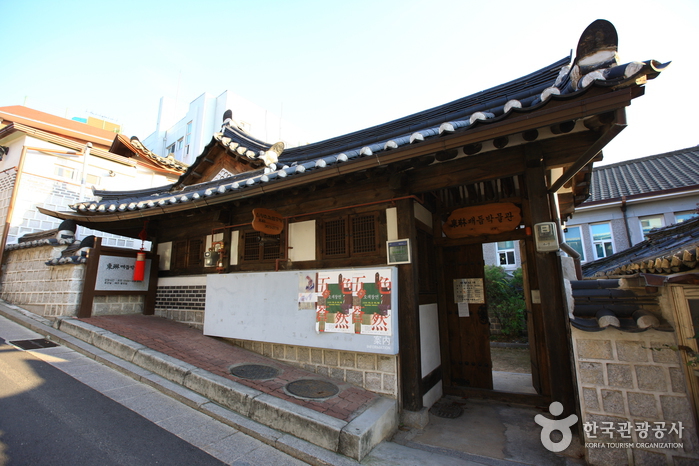
Opened in April 2004, Dong-Lim Knot Museum exhibits a variety of decorative traditional Korean maedeup (knots): norigae for hanbok, belts, pouches, as well as materials like thread, cord, and accessories. Housed in a hanok, a traditional Korean house, the gallery has a variety of exhibits, including old and new artwork, and creations that reflect modern trends.
⊙ Baek In-je House (백인제가옥)
View detailed guide on Korea Trip Guide →
– Homepage
www.museum.seoul.kr
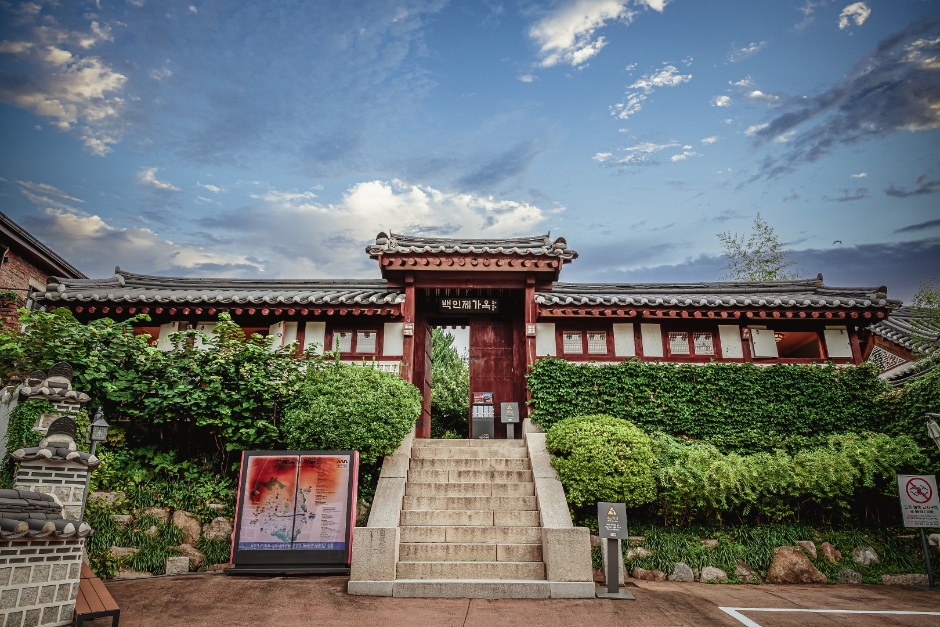
Baek In-je House, located in Bukchon Hanok Village, is a hanok built during the Japanese administration period that portrays modern hanok features. The structure consists of a main room offering a good view of the whole village, spacious bedrooms, a large garden, and annex buildings. As it maintains the beauty of a traditional hanok while incorporating the modern trend of its time, Baek In-je House is considered to be highly valuable in means of both architecture and history, representing the Bukchon Hanok Village together with Yun Bo-seon House.
Baek In-je House was built from black pine, which was first introduced in Seoul during the Gyeongseong Expo in 1907, distinguishing itself from other upper-class houses of its time. Unlike other traditional hanok designs that separate the main building from the other rooms, Baek In-je House connects the two with a hallway, allowing convenient access between the two structures. The house also consists of a Japanese-style hallway and floor mat rooms, reflecting the interior trends of that period. Baek In-je House is also unique in that the main room is partially built as a two-story structure, a style that was never seen in any traditional hanok built during the Joseon period.
⊙ World Jewellery Museum (세계장신구박물관)
View detailed guide on Korea Trip Guide →
– Homepage
www.wjm.or.kr
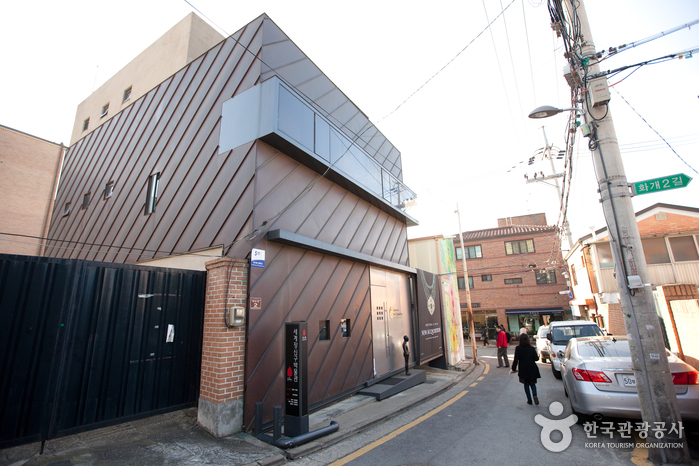
Situated in the gallery district in the back alley of Samcheong-dong (east of Gyeongbokgung Palace), the World Jewellery Museum houses 3,000 jewelry pieces from 60 countries, which have been collected over 30 years. Of which, 1,000 have been selected for display. The first floor contains an Amber Wall that goes back as far as 50 million years, the Golden Hall (El Dorado), the Necklace Hall, and the solemn Alter of the Cross. The second floor holds a mask wall, rings, beads and ivory as well as modern jewelry.
⊙ Pyunkang Yul Flagship & Tea house (편강 율 플래그십&티하우스)
View detailed guide on Korea Trip Guide →
– Homepage
www.instagram.com/pyunkangyul_teahouse/
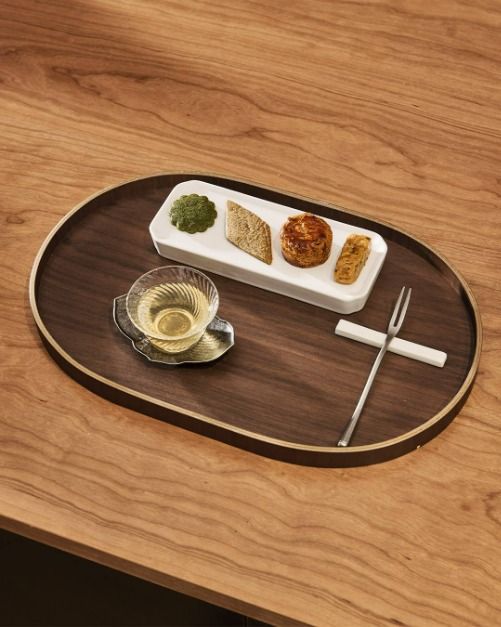
Pyunkang Yul Flagship & Tea house is a cafe in Bukchon Hanok Village near Gyeongbokgung Palace. The first floor is a teahouse where one can enjoy Korean tea infused with traditional ingredients and delightful desserts with a view of the cafe’s serene garden, and the second floor is a flagship store of Pyeongang Yul, a K-beauty brand known for integrating hanbang (traditional Korean medicine) in their skincare products. The third floor features a rooftop that offers a sweeping view of the Bukchon Hanok Village and Gyeongbokgung Palace.
⊙ Woo Joo Yon Clinic (우주연한의원)
View detailed guide on Korea Trip Guide →
Woojooyon Clinic takes an integrative approach considering the patient’s overall health. Rather than merely treating the affected area, we listen to the patient’s story, understand their daily life, and focus on identifying and correcting the root causes of imbalances in the body. Our goal is to pursue true healing and happiness by treating with a delicate touch that connects with the patient’s soul. We aim to restore the body to its original state, ensuring a holistic examination of both body and mind, as well as habits and personality. Woojooyon Clinic is committed to helping patients regain a healthy life by applying the wisdom of traditional Korean medicine. We value our relationships with patients and strive to always do our best.
⊙ Hanji House (한지가헌)
View detailed guide on Korea Trip Guide →
– Homepage
www.kcdf.or.kr/hanji/
www.instagram.com/hanji.HOUSE
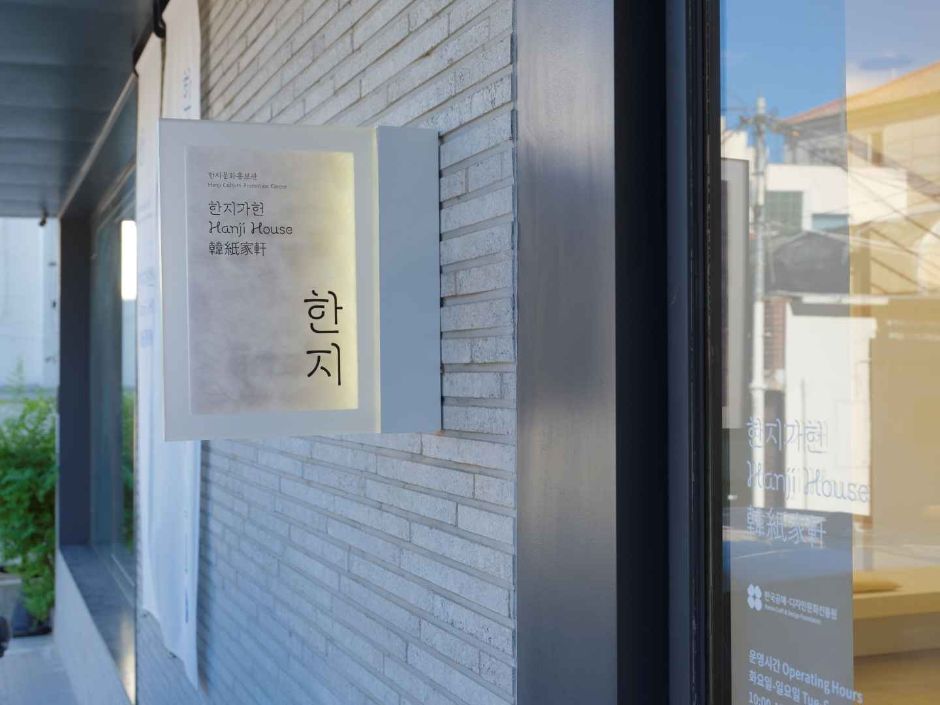
Hanji House was founded to pass on the cultural heritage of hanji, traditional Korean paper, as well as to promote its excellence and uses in everyday life. The center is operated by Korea Craft & Design Foundation, and offers a variety of programs that consist of exhibitions, hands-on activities, classes, and marketing hanji products. On the first floor is Hanji Showroom, where various exhibitions take place to showcase hanji of the past and the present. The basement floor comprises Hanji Open Archive, Hanji Print Studio, and Hanji Workroom, where most of the hands-on activities and classes are held. Hanji House also offers a docent program for exploring the whole area.
⊙ Danha(단하)
View detailed guide on Korea Trip Guide →
– Homepage
https://www.danhaseoul.com
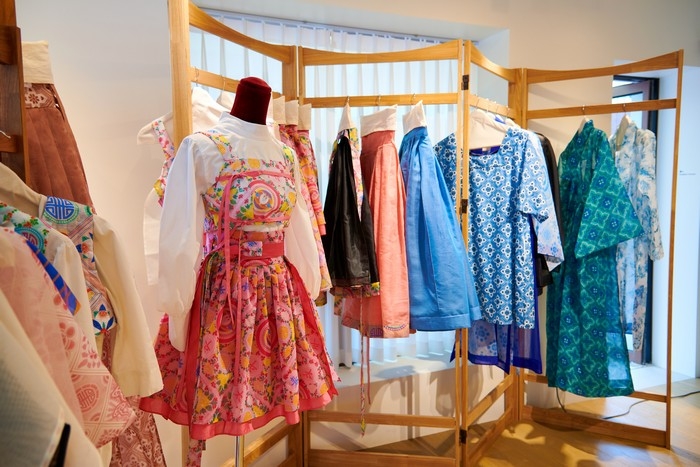
BLACKPINK’s “HOW YOU LIKE THAT” music video created a sensation, reaching 100 million views within 32 hours of its release. The most noteworthy part of the music video was the hanbok they wore. Danha, which was in charge of making the costumes, improved the traditional hanbok and completely recreated it as a stage costume, garnering attention from all over the world. Danha is famous for designing hanboks using traditional patterns. The patterns engraved on the clothes in the BLACKPINK music video used the phoenix design pattern of the royal cloth. Danha’s hanbok can be purchased through the online shop, and if you want to have it custom-made, you can visit Danha Maison after making a reservation.
⊙ Kukje Gallery (국제갤러리)
View detailed guide on Korea Trip Guide →
– Homepage
www.kukjegallery.com
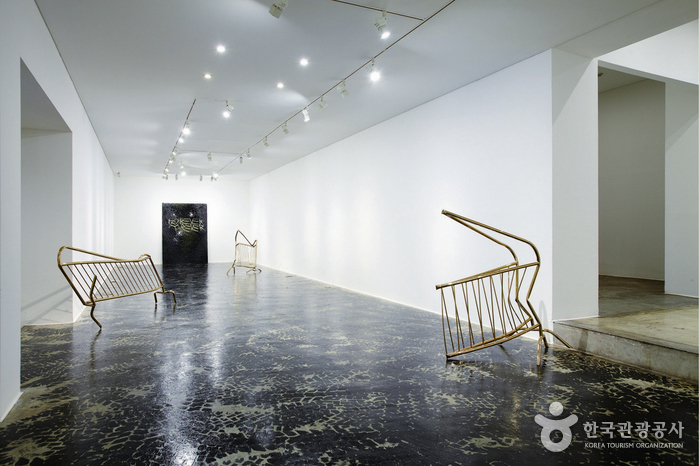
The Kukje Galley has been committed to presenting the work of significant Korean and international contemporary artists to the public since 1982. The gallery has established itself as a leading venue for international exhibits such as Helen Frankenthaler, Sam Francis, Jim Dine, Frank Stella, Robert Mangold, Anthony Caro, Cy Twombly, Edward Ruscha, Anselm Kiefer, Joseph Beuys, and Bill Viola, attracting enthusiastic responses from both the public and the media.
The gallery has placed emphasis on collaborations between artists, galleries, and art dealers around the world and nurturing upcoming artists by sponsoring their artwork and giving them international exposure.
](https://ktrip.blogsailing.com/wp-content/uploads/2026/03/4022634_image2_1.jpg)
![Crocodile – NC Singuro Branch [Tax Refund Shop] (크로커다일 nc신구로)](https://ktrip.blogsailing.com/wp-content/uploads/2026/01/3313719_image2_1.jpg)
](https://ktrip.blogsailing.com/wp-content/uploads/2026/04/4020021_image2_1.jpg)