Suwon Hwaseong Festival (수원화성문화제)
Suwon Hwaseong Festival (수원화성문화제)
 – Homepage
shfestival.com
– Tel
+82-31-5191-3647
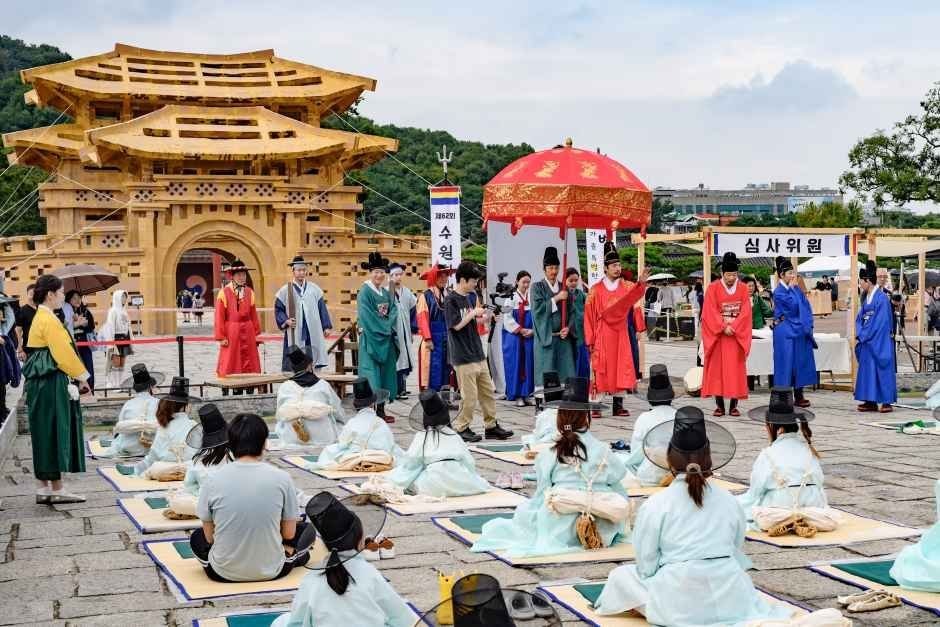
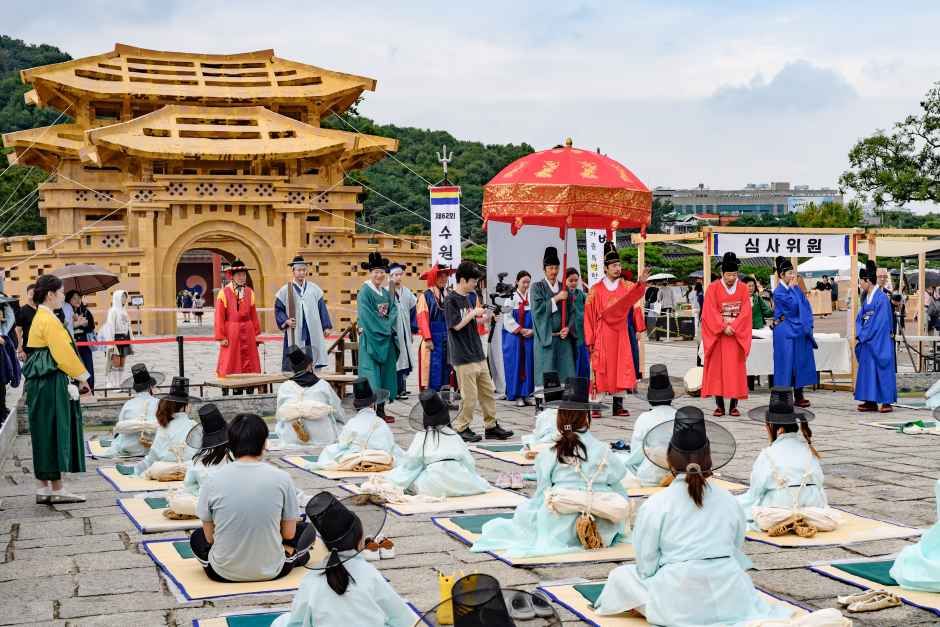
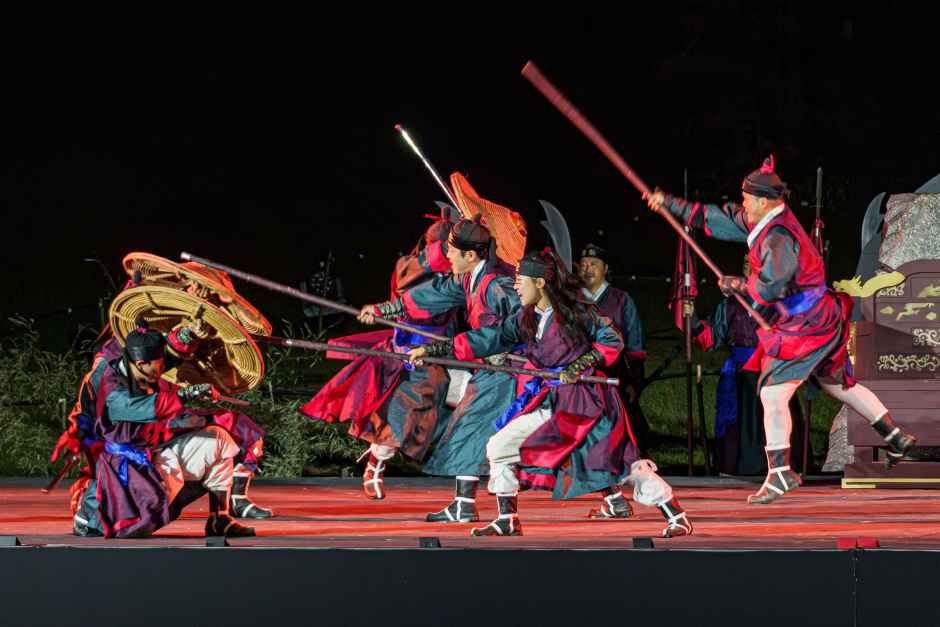
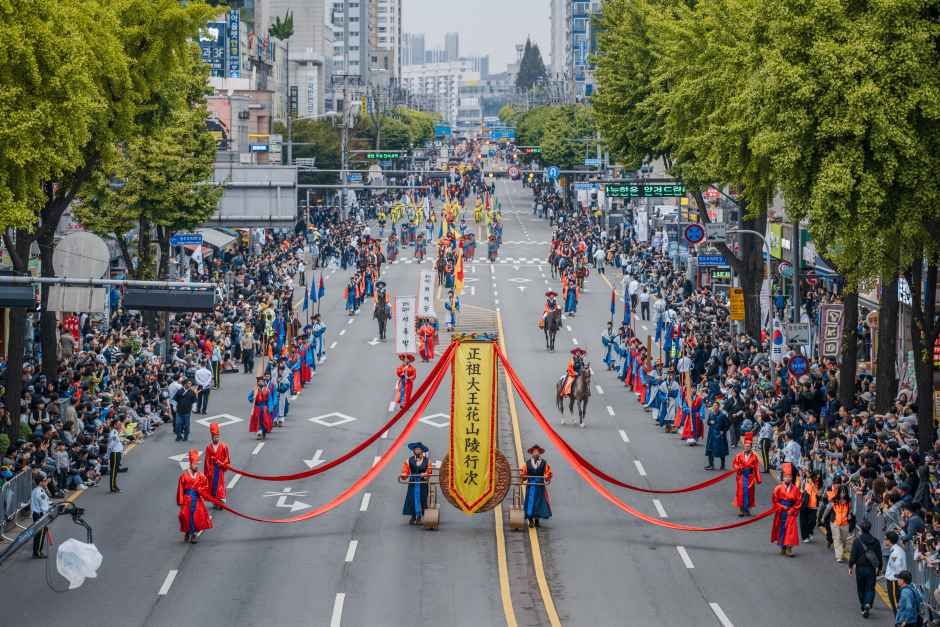
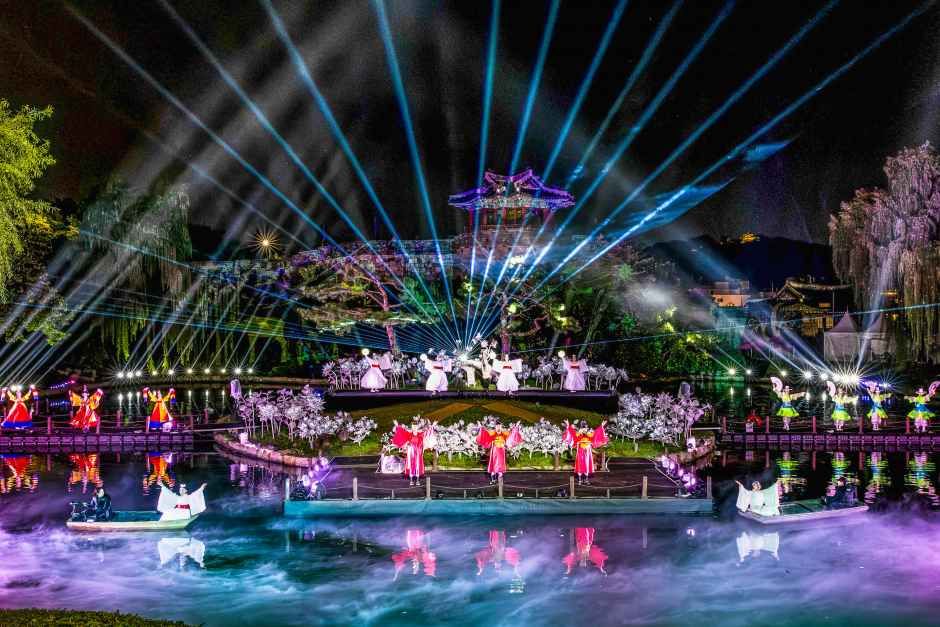
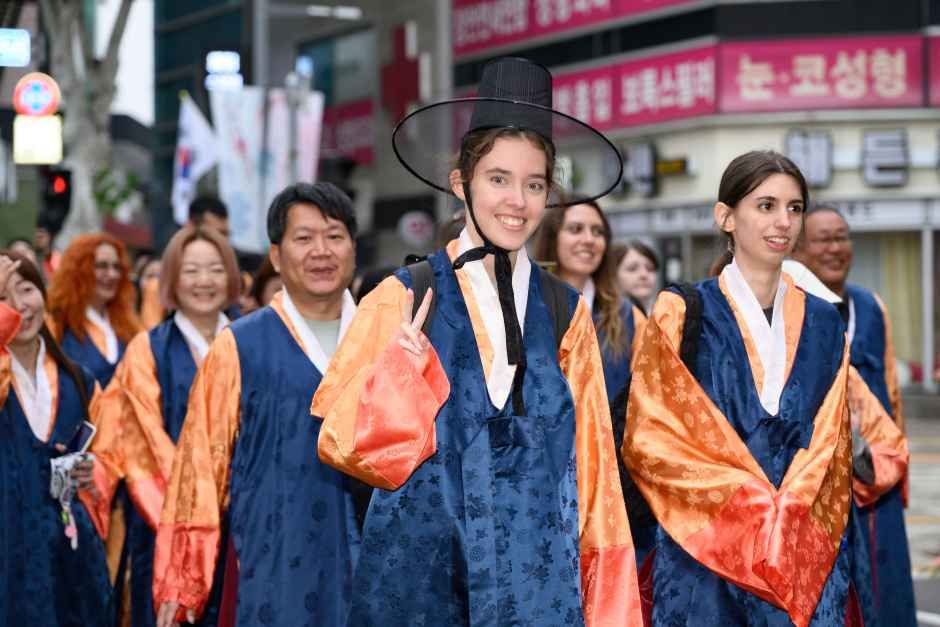
The Suwon Hwaseong Cultural Festival reimagines, through a contemporary lens, the most magnificent moments of King Jeongjo’s eight-day royal procession to Hwaseong in 1795. Historic scenes recorded in the Wonhaeng Eulmyo Jeongni Uigwe come vividly to life through high-quality cultural programs. Visitors can also take part in the King Jeongjo Royal Parade, the largest royal procession reenactment in Korea, where citizens and guests from around the world become part of the spectacle. As a leading global festival, the Suwon Hwaseong Festival offers a unique opportunity to experience the joy of a celebration that transcends time and space while bringing people together in the historic setting of Suwon Hwaseong Fortress.
– Address : 825, Jeongjo-ro, Paldal-gu, Suwon-si, Gyeonggi-do
※ Presentation Information
– Event Date
20261004 ~ 20261011
– Schedule
12:00-21:00
– Location
Suwon Hwaseong Fortress
– Program
“Suwon Fantasy: Yajo” Themed Performance, “Seonyumong” Water Performance, Time Travel: Haenggung Night Story, Citizens’ Great Architecture “Hwahong”
– Sponsor
Suwon-si, Suwon Hwaseong Cultural Festival Organizing Committee, Suwon Cultural Foundation
– Sponsor Phone
+82-31-5191-3647
– Fees
Free (fees vary by programs)


◎ Nearby Tourism Infobox
⊙ Temporary Palace at Hwaseong Fortress (Hwaseong Haenggung Palace) (화성행궁)
View detailed guide on Korea Trip Guide →
– Homepage
www.suwon.go.kr
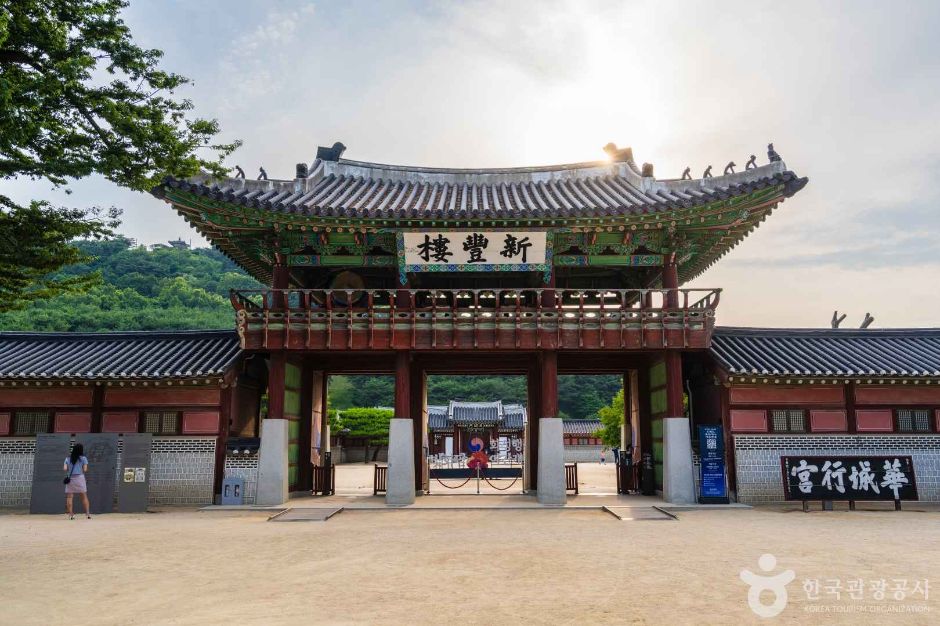
A haenggung is a temporary palace where the king and royal family retreated to during a war. Hwaseong Haenggung Palace is the largest one of these, used by the Joseon kings since the time of King Jeongjo (r. 1776-1800). In addition to being used as a shelter during war, King Jeongjo also stayed here during trips to worship at his father’s tomb. The palace was the location of a splendid feast held on the 60th birthday of his mother, Hyegyeonggung Hong, and many other events, including award certificates for successful candidates of special national exams. These days, the palace serves as a venue for many traditional cultural performances and activities.
⊙ Suwon Museum of Art (수원시립미술관)
View detailed guide on Korea Trip Guide →

– Homepage
suma.suwon.go.kr
Suwon Museum of Art is a cultural and artistic space located in the plaza of Hwaseong Haenggung Palace in Suwon. The building, which embodies the harmony of modernity and nature, includes exhibition halls, a library, classrooms, and a cafeteria. It serves as a place where the spirit of Hwaseong meets contemporary art, offering high-quality exhibitions, immersive interactive displays, and unique showcases focusing on the Suwon region.
⊙ Jeongjo Theme Performance Hall (정조테마공연장)
View detailed guide on Korea Trip Guide →
– Homepage
www.swcf.or.kr
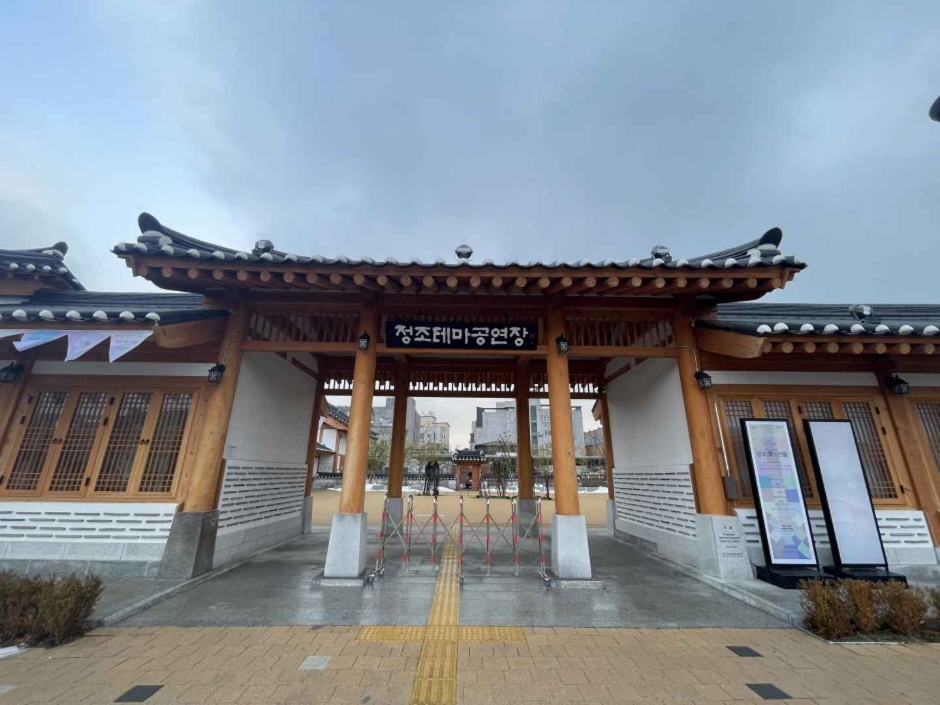
Jeongjo Theme Performance Hall is located in a hanok-style building just next to the Temporary Palace of Hwaseong Fortress in Suwon. The hall serves as venue to a range of performances, both traditional and modern, and is a great addition to family visits to the area.
⊙ Hyowon’s Bell (효원의 종·서장대)
View detailed guide on Korea Trip Guide →
– Homepage
www.swcf.or.kr
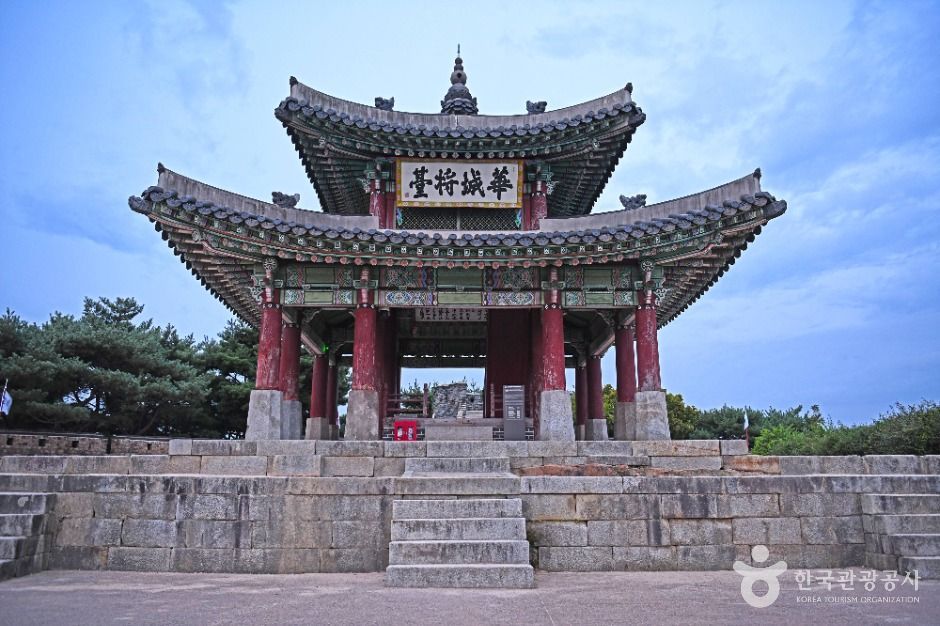
Hyowon’s Bell is located at the summit of Paldalsan Mountain. The bell was created to honor the filial devotion of King Jeongjo towards his father, Crown Prince Sado. The bell has various symbols representing the city of Suwon and its cultural assets. The bell is always rung three times- the first ring is in gratitude for the love of one’s parents, the second to hope for happiness in one’s family, and the third as a prayer for self-improvement.
⊙ Suwon Workshop Street (수원 공방거리)
View detailed guide on Korea Trip Guide →
– Homepage
https://www.suwon.go.kr
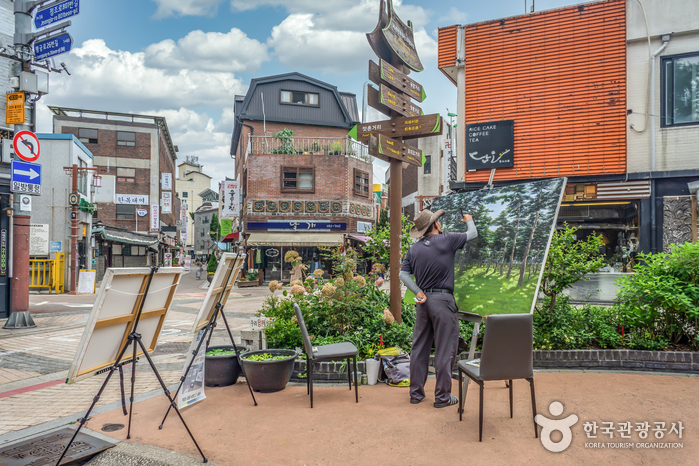
Suwon Workshop Street stretches from the plaza of Hwaseong Haenggung Palace to the Nammun Rodeo Youth Culture Performance Hall near Paldalmun Gate. The street is lined with workshops where artists display and sell their handmade crafts. Visitors can engage in various craft experiences, including woodcraft, hanji (traditional Korean paper) craft, ribbon craft, sewing, and metalworking, while also shopping for unique handmade items. In addition to the workshops, the street features Haenggung Sarangchae, a cozy spot for travelers to unwind, the Museum of Memories, and several charming cafés.
⊙ Mong Ted (몽테드)
View detailed guide on Korea Trip Guide →
– Homepage
https://www.instagram.com/__mongted
◎ Travel information to meet Hallyu’s charm – TV series “Lovely Runner”
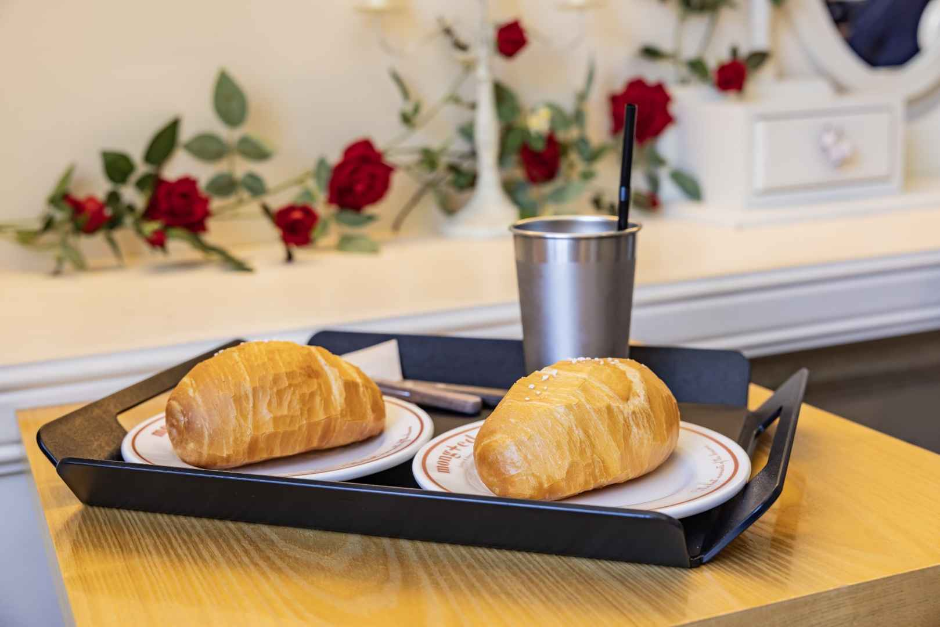
Café Mong Ted appears as Sol’s house in the drama, with the blue-gate house across the alley as Sun-jae’s residence. Take a stroll down the alley, perhaps with a yellow umbrella, to feel like the characters in “Lovely Runner.”
⊙ Suwon Chicken Street (수원통닭거리)
View detailed guide on Korea Trip Guide →
– Homepage
www.suwon.go.kr
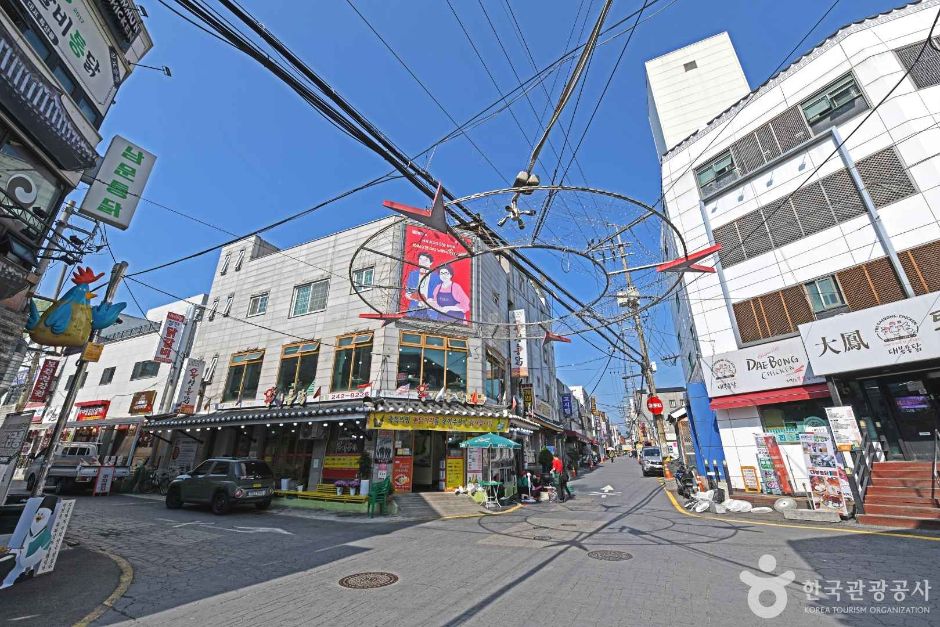
Suwon Chicken Street, located in a small 100 m-long alley on Paldal-ro, Paldal-gu, Suwon, is where about 11 stores, ranging from the original store that opened in 1970 to new ones, serve fried whole chicken. It is the tradition of Suwon Chicken Street to pour oil into a large cauldron and fry chicken. The menu only consists of fried chicken and seasoned fried chicken, but they are gaining popularity for their savory taste, different from those of famous chicken brands. In Suwon Chicken Street, you can meet the granny of “Maehyang Tongdak,” who has been selling fried chicken in Suwon Chicken Street since the 1970s using the chicken she raised in a chicken coop on a stall, as well as the famous “Yongseong Tongdak” and “Jinmi Tongdak” in this alley. The chicken price is low, so you don’t have to worry about it. Thanks to plentiful servings and unique taste, the shops on this street are crowded with customers from all over the country, including students, who come having heard of the place by word of mouth.
⊙ Suwon Hwaseong Museum (수원화성박물관)
View detailed guide on Korea Trip Guide →
– Homepage
hsmuseum.suwon.go.kr
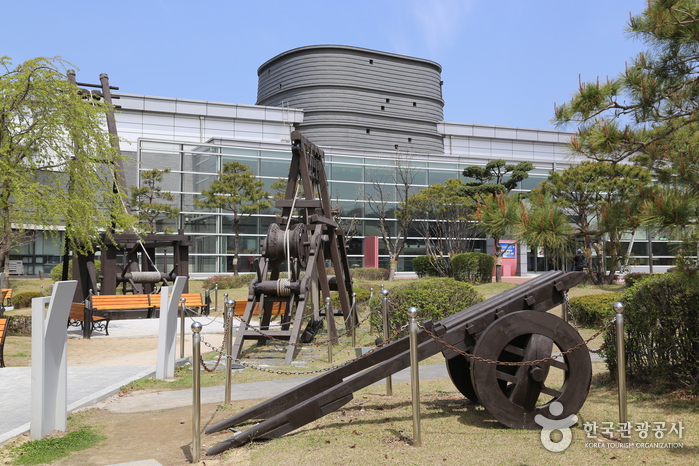
Suwon Hwaseong Museum presents the history and culture of Suwon Hwaseong Fortress, an important Korean cultural asset and UNESCO World Cultural Heritage Site. Visitors to the museum can learn about the formation of the fortress and the city of Suwon itself through detailed, systematically designed exhititions. The museum houses an extensive collection of items that showcase the construction and development of the fortress, as well as gatherings and events that took place within the fortress.
⊙ Haengnidan Street (행리단길)
View detailed guide on Korea Trip Guide →
Haengnidan Street is a stretch of approximately 612 meters from Hwahongmun Gate of Hwaseong Fortress to Hwaseo Park. The name Haengnidan Street originates from Haenggung-dong (Haenggung referring to the king’s temporary palace) and Gyeongnidan Street, a popular area in Itaewon, Seoul. This vibrant district seamlessly blends tradition and modernity, featuring a variety of unique restaurants, stylish cafés, concept stores, and exhibition spaces. It has become one of Suwon’s most iconic attractions.
⊙ Suwon Hwaseong Museum Themed Exhibition Banghwasuryujeong Pavilion (수원화성박물관 테마전 방화수류정)
View detailed guide on Korea Trip Guide →
– Homepage
smuseum.suwon.go.kr/a>
– Tel
+82-31-228-4209
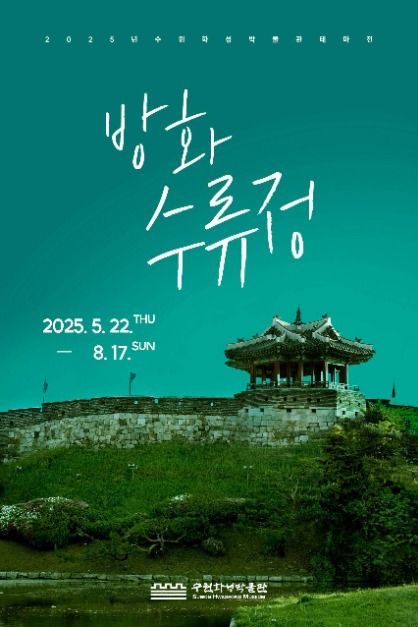
Banghwasuryujeong Pavilion stands looking over the Hwahongmun Gate and Yongyeon Pond and is a place where the aspirations of King Jeongjo live on. Suwon Hwaseong Fortress has a total of four pavilions, and Banghwasuryujeong Pavilion is located on the northwestern side of the fortress. The fortresses were built to act as a watchtower for keeping an eye on outside invasion, with Banghwasuryujeong Pavilion being located at the most strategic point. Although it was built as a military watchtower, it was designed to also act as a pavilion, and Banghwasuryujeong Pavilion was recognized as a National Treasure in 2011 for outstanding techniques and aesthetics that represent the Joseon dynasty in the 18th century.
](https://ktrip.blogsailing.com/wp-content/uploads/2026/06/4042099_image2_1.jpg)
](https://ktrip.blogsailing.com/wp-content/uploads/2026/06/4018425_image2_1.jpg)
](https://ktrip.blogsailing.com/wp-content/uploads/2026/06/4017929_image2_1.jpg)
](https://ktrip.blogsailing.com/wp-content/uploads/2026/06/4020164_image2_1.jpg)
![The Izzat – MODA Outlet Guri Namyangju Branch [Tax Refund Shop] (더아이잗모다아울렛구리남양주)](https://ktrip.blogsailing.com/wp-content/uploads/2025/12/3313956_image2_1.jpg)
One Comment